
Supreme Court Reverses Lemon Test, Embraces America’s History and Traditions, Restoring Religious Freedom in the Public Square
Religious freedom is a bedrock of America’s Founding. However, in the Supreme Court’s decision in Lemon v. Kurtzman (1971), they set a new criteria called the Lemon test to determine if government actions violated the Establishment Clause of the First Amendment. The test had three main components:
Purpose
The action must have a secular purpose.
Effect
It must not advance or inhibit religion.
Excessive Entanglement
It must not excessively involve the government with religion.
For the last several decades expression of America’s religious heritage has been restricted as the Lemon test prohibited many religious displays and dramatically curtailed the original religious freedom protections of the First Amendment. The Lemon test was the culmination of separationists’ fight to eradicate all references to religion from the public sphere. They used the Lemon test to block as many displays of America’s religious heritage as they could, including Ten Commandments displays and veterans’ memorials. One of the largest upheavals was in Stone v. Graham ii in 1980. The Supreme Court used the Lemon test to strike down Kentucky’s law requiring that the Ten Commandments be displayed in public schools. This was a turning point in America, as schools across the country removed their Ten Commandment displays.
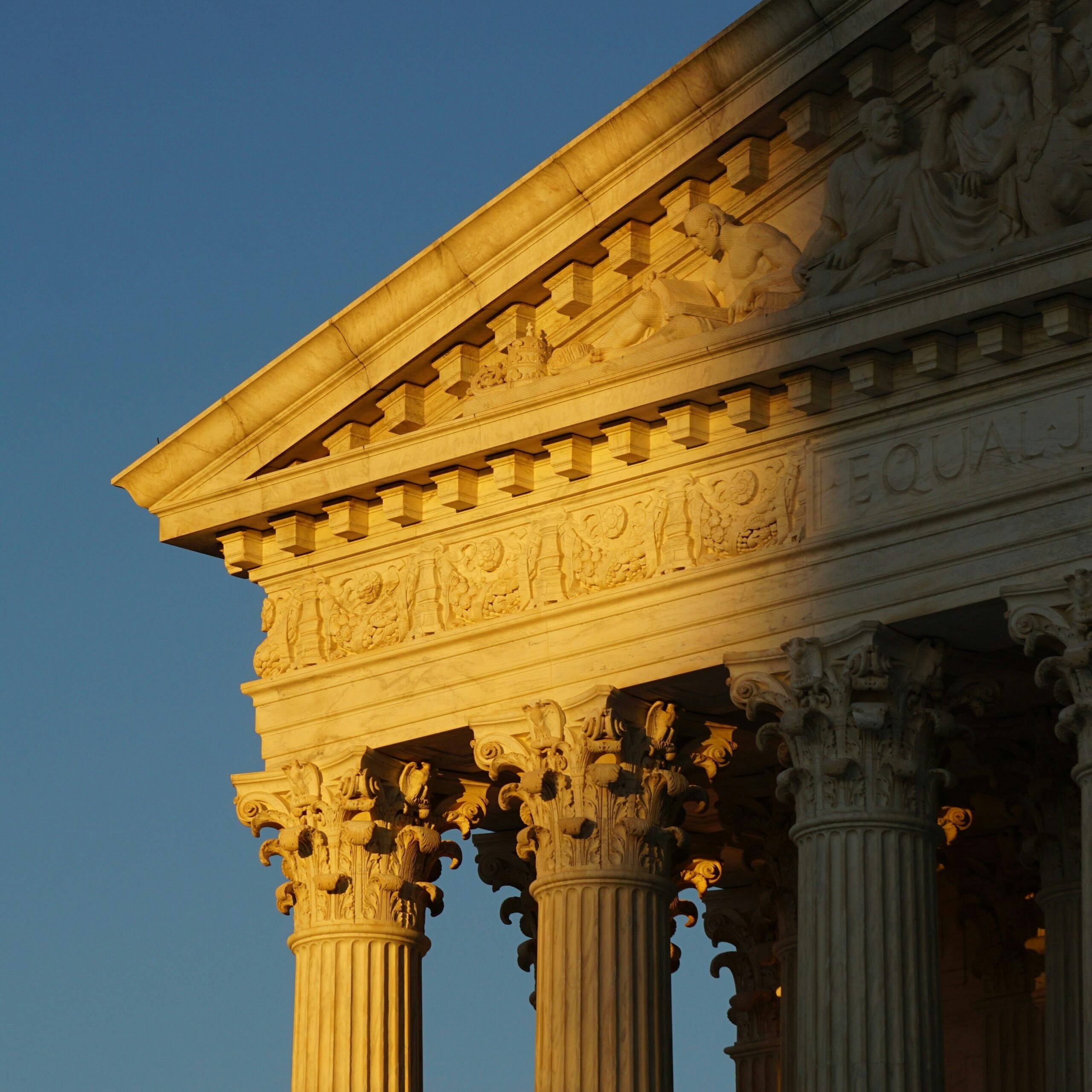
Supreme Court Overturn of the Lemon Test, Leads with History and Tradition Test
Since the Supreme Court’s implementation of the Lemon test, thousands of cases were decided by this faulty standard for the past 50 years. However, in recent years the Court reverted back to America’s original interpretation of the First Amendment and in the case Kennedy v. Bremerton School District. The Court overturned Lemon and instead looked to America’s history and tradition for whether the government may recognize our religious heritage.
Expanding Religious Freedom in Public Life
America can once again welcome religious displays back into the public square if they are part of our nation’s long-standing history and traditions. Nativity scenes, the Ten Commandments in classrooms and courtrooms, can all be reintegrated into American society. The time is ripe for moral and religious support to be encouraged in schools and in the public square.
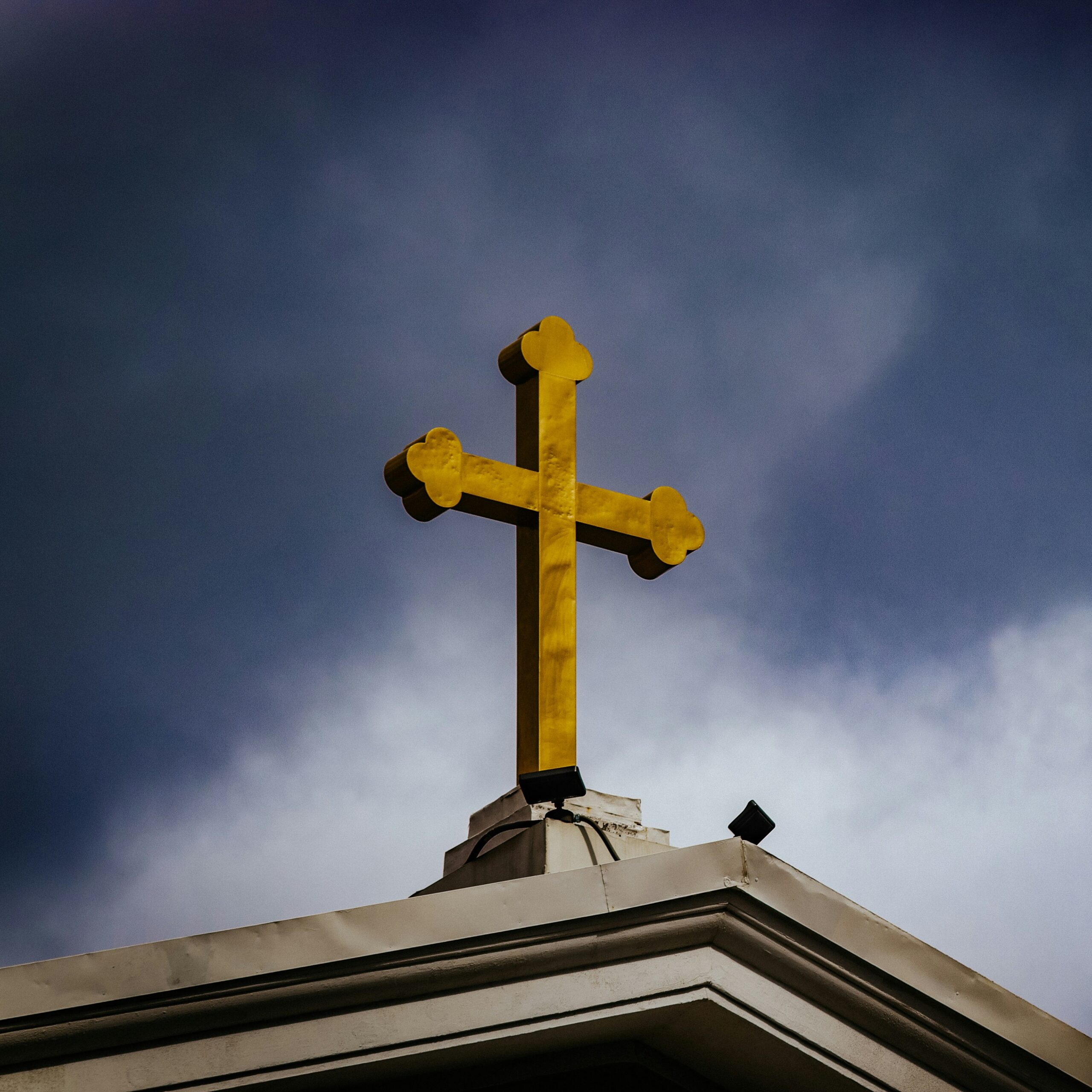
Ten Commandments in Public Buildings
Under the new History and Traditions Test, the Ten Commandments can be returned to public school classrooms as one of the historical documents that helped shape America’s judicial system.
Chaplains in Schools
Just as military personnel and first responders have access to chaplains, students also benefit greatly from this invaluable support for religious guidance.
Religious Release Time
The Court has long upheld the practice of allowing students to be excused for religious instruction, respecting parental rights and religious freedom. Now is the time for states and parents to fully exercise this right.
Prayer in Public Schools
Students and teachers should be permitted to pray in public schools and exercise their First Amendment rights, as long as it is not compelled on others.
As Founding Father John Adams said, “Our constitution was made only for a moral and religious people. It is wholly inadequate to the government of any other.” It’s an exciting time in America, when morality and religion no longer have to be relegated only to the walls of the church but can once again be recognized as indispensable supports for our country.