
Are Storms Really Getting Worse? The Truth About Weather and Climate Change
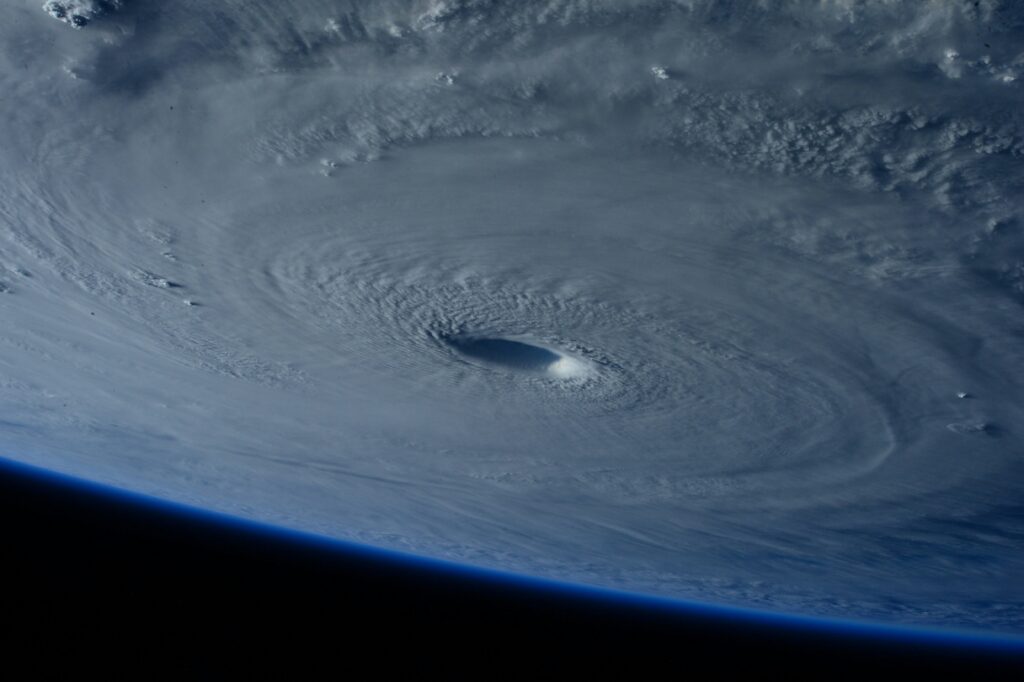
Storms. Unsplash
2025 has already been more active than past years when it comes to severe storms and heavy rain. Now, with hurricanes beginning to form in the Atlantic, conversations about climate change are surfacing once again across social media. But are storms actually increasing? And if they are, is climate change the cause?
X user Matt Van Swol voiced a concern many people share:
I lived in Chattanooga TN for years…
The images coming out of there from the flash flooding yesterday are truly unbelievable.
Multiple people trapped in their homes or cars were rescued.
How many of these major floods are we going to have this year?!
WHAT IS GOING ON?!!! pic.twitter.com/lzBixL6KGl
— Matt Van Swol (@matt_vanswol) August 13, 2025
Thankfully, experienced meteorologists quickly provided context. Joe Bastardi, former AccuWeather forecaster and now Chief Forecaster at WeatherBELL, reminded readers:
please read this. The southeast US happens to be in a pattern this year where there are more than average floods, But this moves around and you will be shocked to see what actually happens globally. https://t.co/qnwpG7NRWB
— The American Storm (@BigJoeBastardi) August 13, 2025
Meteorologist Chris Martz expanded further:
Hi Matt.
Meteorologist here. 👋
These types of floods are far more common than you (and others) have been misled to believe.
A “1-in-100-year flood” is a flood that has a 1% chance of occurring in any given year at one location. That last part is key—this recurrence interval…
— Chris Martz (@ChrisMartzWX) August 13, 2025
Flooding is real—and it is dangerous—but it is not new. Weather patterns shift, and different regions experience heavier impacts in different years. This has been true since long before the modern climate change narrative took root.
The Data on Tornadoes
Despite popular claims, tornadoes are not increasing in number or intensity. From 2013 to 2023, six of those ten years were below average for annual tornado counts (the U.S. averages 1,229.6 per year). Only four years were above average.
More importantly, the United States is in the longest drought of EF-5 tornadoes since recordkeeping began in 1950. On average, the nation has historically seen just under one EF-5 per year. Yet since 2013, not a single EF-5 has been recorded, over a decade without the most violent category of tornado.
In 2007, the Fujita scale was updated to the EF-scale (EF) scale, which actually made it easier for tornadoes to qualify for higher ratings by lowering wind speed thresholds. Even under this new, less stringent standard, no EF-5 has occurred in 13 years.
Fatalities Are Decreasing
Some argue tornadoes are deadlier today, but the data tells another story. Between 1951 and 1975, an average of 128.9 tornado-related deaths occurred each year. From 1976 to 2010, that number dropped to 59.8 per year. Since then, fatalities have continued to trend lower, with 2011 standing out as an outlier due to one of the largest outbreaks in U.S. history.

Storms Prediction Chart, Storm Prediction Center (SPC)
Better technology explains much of this decline. Warnings are issued faster, and with smartphones and social media, life-saving information spreads instantly. More people are also reporting tornadoes today, not because there are more storms, but because nearly everyone now carries a camera in their pocket. The United States population is also increasing, and has done so for years. This is a major contributing factor in the reporting of what appears to many, to be an increase in bad weather.
Hurricanes Show Similar Trends
Hurricanes, measured differently than tornadoes, have also not shown an alarming increase in frequency or strength. While they remain dangerous and costly, historical records do not support claims of unprecedented escalation.
Stewardship Without Panic
Climate is defined as weather patterns measured over 30 years. Alarmists insist storms are worsening because of human behavior, but the data does not confirm this. Christians should absolutely take stewardship of creation seriously—God gave that responsibility to mankind in Genesis. But stewardship does not mean spending billions on unproven threats or burdening future generations with unnecessary debt.
The bottom line: weather is real, dangerous, and worth preparing for—but fear-driven climate narratives only create panic, not solutions.
Contacting your representatives should be easy, but there are myriad ways they can ignore your messages. That’s where we come in.
Yes, Million Voices helps you with voter guides. Yes, we send letters from YOU directly to your elected officials because it’s the only way to guarantee they’ll listen to you. Yes, we publish data, articles, text messages, and help bridge the gap between education and civic action. But what do you want? Tell us today.
We want to make YOU the hero of our American story by giving you the tools you need to make a difference, from your local, state, all the way up to the federal level.
Join us in our mission to advocate for religious freedom, support fair and secure elections, and uphold the values that this great nation was built upon. Tell us what you want from the next four years, and we will fight to make it a reality … again!
Share on these platforms:
Million Voices is a movement that gives voters and potential voters the foundation they need to confidently act from a biblical worldview.