
Supreme Court to Weigh Limits on Biblical Counseling
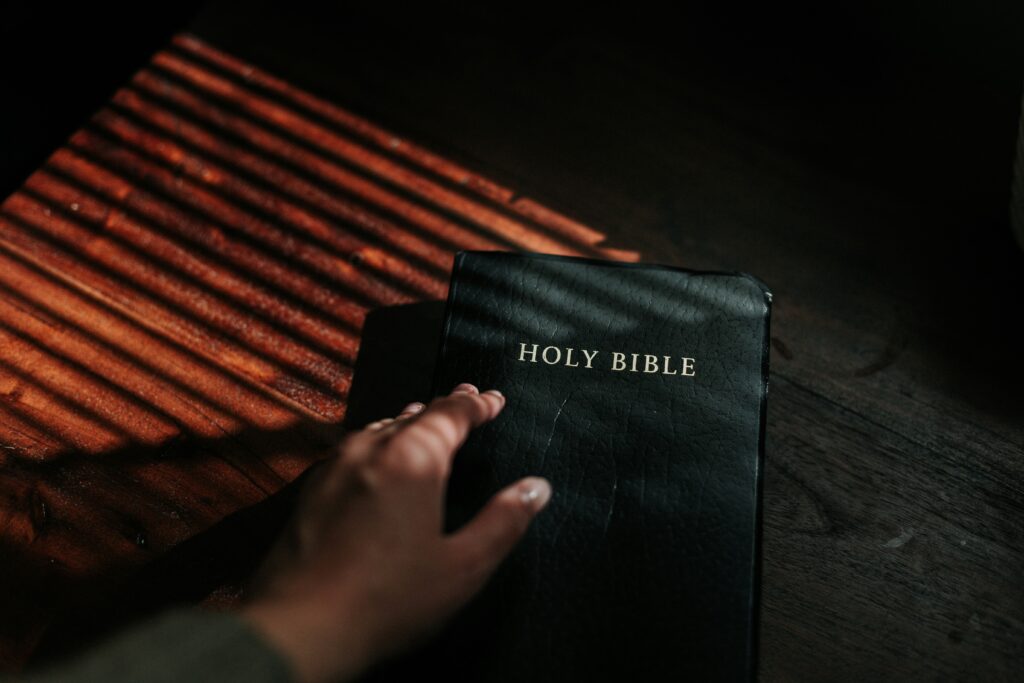
Priscilla Du Preez 🇨🇦, Unsplash
In 2019, Colorado lawmakers passed House Bill 19-1129, a measure that banned licensed counselors from engaging in what the state defined as “conversion therapy” for minors. The law makes it illegal for therapists to offer any form of counseling that seeks to change a young person’s sexual orientation or gender identity. In practice, this means a licensed Christian counselor is forbidden from helping a child accept his or her biological sex, even if that is what the child or parents desire.
For many, this is a direct assault on the ability to counsel youth according to the Bible. Supporters of the law say they want to protect children from harm. But for Christians, what Colorado calls “harm” is often simply speaking biblical truth. The law essentially says that counselors may affirm a child who believes they can switch genders but may not encourage them to embrace their God-given identity as male or female. The government has decided which kind of counseling is acceptable and which kind must be silenced.
A Christian Counselor Pushes Back
Kaley Chiles, a licensed Christian therapist, filed a lawsuit arguing that Colorado’s law violates her rights under the First Amendment. Her case, now titled Chiles v. Salazar, made its way through the courts. Both a federal district court and the Tenth Circuit Court of Appeals upheld the law, saying Colorado has the authority to regulate professional conduct. In their view, the ban was not about restricting speech but about setting health standards.
Chiles and her supporters disagree. They argue that counseling is, at its core, speech. What a counselor says in a session is not simply conduct, it is words, beliefs, and ideas. By outlawing one side of the conversation, Colorado has censored her voice. Chiles contends that she is not forcing her beliefs on anyone but simply offering the guidance parents and young people seek. Denying her that right means denying families the ability to choose counseling that reflects their values.
On March 10, 2025, the U.S. Supreme Court agreed to hear her appeal. The Court will decide whether laws like Colorado’s cross the line into unconstitutional censorship of faith-based counseling. Oral arguments are scheduled for October, with a ruling expected in 2026. SCOTUSblog has described the case as one of the most significant free speech and religious liberty disputes of the term.
Why This Matters for Families of Faith
From a Christian perspective, this case strikes at the heart of what it means to counsel faithfully. A Christian therapist does not see counseling as simply offering advice but as helping people walk in God’s truth. When a child struggles with questions of identity, biblical counselors believe they have a responsibility to remind them of God’s design: “male and female He created them.”
Colorado’s law strips away that freedom. It tells counselors they may only encourage one path, the path of gender transition or sexual expression without limits, while forbidding them to speak of God’s plan for sexuality and identity. For families who want their children counseled in line with their faith, the law leaves them with no choice but to turn away from licensed professionals. This effectively removes Christian voices from the counseling room and hands the government the power to decide which truths can be spoken.
Social Media Shows the Alarm
This concern has not gone unnoticed. Social media has become a window into how people are responding. One post from Concerned Lutherans of Washington warned that bans like Colorado’s threaten to criminalize Christian counseling itself.
🚨 Washington Attorney General Nick Brown is leading a 21-state coalition urging the U.S. Supreme Court to uphold Colorado’s ban on conversion therapy for minors.
The law prohibits licensed professionals from attempting to change a child’s sexual orientation or gender… pic.twitter.com/SurllAFvgG
— Conservative Ladies of America – WA State (@CLofWashington) August 28, 2025
Another post from The Ruth Institute highlighted the broader cultural battle, pointing out that these laws are part of a larger effort to erase the reality of male and female altogether.
Should faith be allowed in the therapy room? Colorado doesn’t think so . . . pic.twitter.com/WXzq7rfoR9
— Ruth Institute (@RuthInstitute) September 16, 2025
These voices reflect what many parents, pastors, and citizens already believe: that what is being banned is not abuse but biblical truth. By labeling it “conversion therapy,” critics have been able to smear and shut down any faith-based counseling that challenges the prevailing ideology of gender fluidity. For Christians, this is not compassion, it is deception.
A Case That Could Shape the Nation
This case raises larger questions than just what happens in Colorado. If the Supreme Court upholds the ban, it could inspire other states to pass similar laws. That would mean licensed Christian therapists across the country could face punishment simply for counseling according to scripture. Families would lose access to professional counseling that reflects their values.
If, however, the Court rules in favor of Chiles, it would be a victory for free speech and religious liberty. It would affirm that the government cannot dictate what a counselor may say or forbid biblical truth in therapy sessions. Such a ruling would protect the rights of parents to seek counseling consistent with their beliefs and the rights of counselors to provide it.
At its core, the case is not about forcing anyone into therapy they do not want. It is about protecting the ability of families to seek biblical guidance when they choose. It is about whether America still believes in free speech and free exercise of religion, even when those freedoms are used to defend unpopular truths.
What Comes Next
The Supreme Court will hear arguments in October 2025. Until then, Colorado’s law remains in effect. Licensed therapists in the state are prohibited from offering counseling that encourages minors to embrace their biological sex or follow biblical teaching on sexuality. Families who want that kind of counseling must seek it outside the licensed system or leave Colorado altogether.
The decision could come in the spring of 2026. By then, the nation will know whether biblical counseling is protected under the First Amendment or whether states may continue to silence it under the label of “conversion therapy.” For many, the outcome will determine not only the future of Christian counseling but also the broader direction of religious freedom in America.
The Real Question
Chiles v. Salazar is not simply about professional standards. It is about whether the state may silence those who speak God’s truth. Colorado’s law, if left standing, sets a dangerous precedent that the government can decide what is right and wrong to say in a counseling session. For Christians, that is unacceptable. The Bible commands believers to speak the truth in love, and that command does not stop at the counseling room door.
The Supreme Court now has the chance to defend the freedoms of counselors, parents, and young people to seek guidance grounded in scripture. If it does, it will not only protect free speech but also safeguard the right of every family to raise their children according to their faith. If it does not, America will take one step further down a road where the state controls not just laws and policies but the very words we are allowed to speak.
Contacting your representatives should be easy, but there are myriad ways they can ignore your messages. That’s where we come in.
Yes, Million Voices helps you with voter guides. Yes, we send letters from YOU directly to your elected officials because it’s the only way to guarantee they’ll listen to you. Yes, we publish data, articles, text messages, and help bridge the gap between education and civic action. But what do you want? Tell us today.
We want to make YOU the hero of our American story by giving you the tools you need to make a difference, from your local, state, all the way up to the federal level.
Join us in our mission to advocate for religious freedom, support fair and secure elections, and uphold the values that this great nation was built upon. Tell us what you want from the next four years, and we will fight to make it a reality … again!
Share on these platforms:
Million Voices is a movement that gives voters and potential voters the foundation they need to confidently act from a biblical worldview.