
Transgender Identification Falls on College Campuses
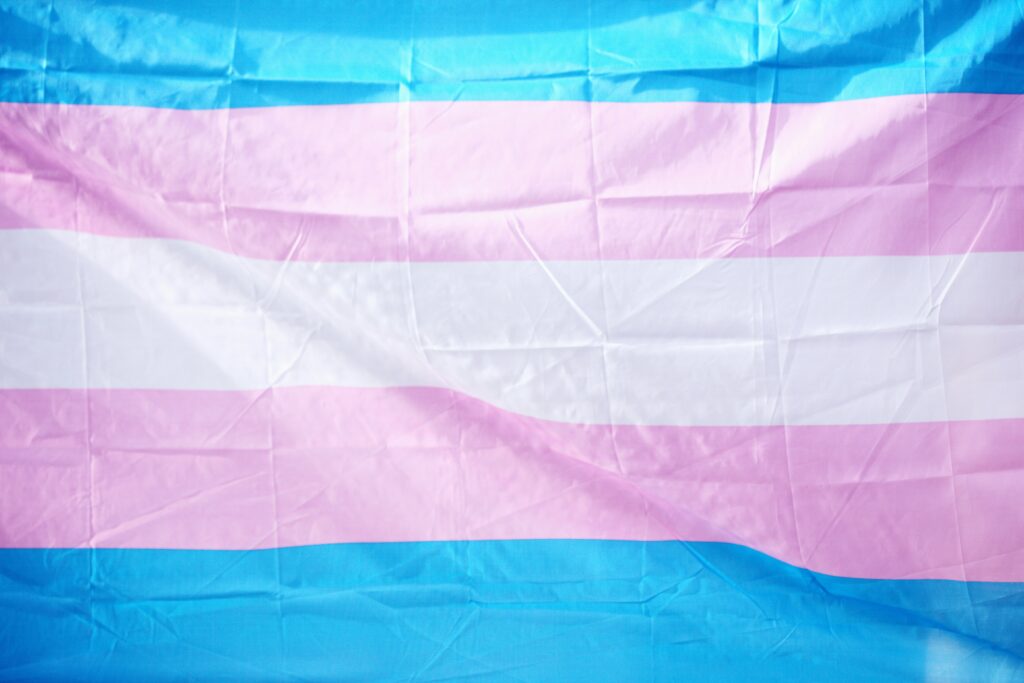
Alexander Grey, Unsplash
A new national analysis is showing something few expected: the number of college students identifying as transgender or nonbinary is dropping sharply. According to a recent report highlighted by Fox News, only 3.6% of undergraduates now identify as a gender other than male or female. That’s a big shift from 5.2% in 2024 and 6.8% in 2022–2023.
The research, based on data from the Foundation for Individual Rights and Expression (FIRE), surprised even the analysts who compiled it. The findings suggest a significant cultural change: after years of rising identification among young people, the trend has begun to reverse.
This shift is being noticed across media outlets, from the Daily Caller to CBN News, as many commentators note how quickly a movement once seen as unstoppable is cooling down. The question is why, and what it means for the future.
1/ NEW: trans identification is in free fall among the young
(h/t @FIRE data in particular) pic.twitter.com/i0Z1BNcWG8
— Eric Kaufmann (@epkaufm) October 14, 2025
Why the Numbers Are Dropping
Researchers and cultural observers are pointing to several possible reasons behind the decline. One major factor seems to be less social pressure to adopt new gender labels. Just a few years ago, identifying as nonbinary or gender-fluid was seen as a bold statement or even a fashion trend. Now, many students view it as unnecessary.
The CBN News analysis described the trend as “less fashionable,” suggesting that young adults are beginning to see gender identity less as a badge of uniqueness and more as something personal, not performative. That shift may sound small, but it’s having a real impact on the data.
There’s also a connection between mental health and identity trends. The Fox News report found that rates of anxiety and depression are strongly tied to gender identification. In schools where students report feeling healthier and more grounded, fewer identify as transgender or queer.
When mental health improves, confusion about identity may fade too. Instead of labeling themselves to explain inner struggles, more young people seem to be finding peace in simply being who they are.
Another reason may be the end of a social fad. Professor Eric Kaufmann, who analyzed the FIRE data, described the shift as resembling “the fading of a trend.” Social media no longer rewards constant declarations of identity the way it did five years ago. As online attention moves elsewhere, the pressure to signal identity publicly has cooled down.
That’s good news for students who felt cornered by social expectations. It also validates parents and teachers who warned that rapid surges in trans identification could be influenced by peer imitation rather than biology or lasting conviction.
A Healthier, More Grounded Generation
The implications of this decline go beyond labels. It could mark a healthier balance in how society talks about gender, body, and identity.
The Daily Caller notes that this reversal “bolsters the social contagion theory,” which suggests that many young people explored transgender identities because of peer and cultural influence, not deep-seated dysphoria. As that influence fades, identification drops naturally.
That’s an encouraging sign. It means fewer young people may rush toward irreversible medical treatments like hormones or surgeries. A New York Post report found that more than 5,700 minors underwent gender-related surgeries between 2019 and 2023. With today’s decline, that number may decrease in coming years.
Supporters of the trend say it represents a cultural correction, a swing back toward realism and caution after years of ideological experimentation. Instead of encouraging young people to redefine themselves constantly, society may be rediscovering the value of stability and biological truth.
CBN pointed out that fewer trans-identifying students could mean “less demand for irreversible procedures.” When gender exploration becomes less about attention and more about authenticity, the result is a healthier, more grounded generation.
This Decline Is a Positive Trend
This decline restores a sense of balance and freedom. Young people shouldn’t feel trapped by labels or pressured to adopt new identities just to fit in. The decline suggests more students are comfortable simply identifying as male or female again, which reflects confidence rather than conformity.
It also promotes mental and emotional stability. Constantly questioning identity creates anxiety, especially in formative years. A society that encourages clarity rather than confusion builds stronger individuals.
Additionally, reflects greater authenticity. As the trend cools, those who genuinely experience gender dysphoria can still seek help, but without the noise of cultural fads clouding the conversation. That separation allows truth to rise above social politics.
Finally, it protects children and families. The debate around youth transitions has become heated, but a slowing trend gives parents, doctors, and lawmakers time to consider data before acting. Policy can now reflect reality instead of hype.
The FIRE study doesn’t close the discussion, it opens a new one. What if this decline isn’t temporary? What if the youth culture that once rushed into gender ideology is now stepping back, realizing it doesn’t lead to the fulfillment it promised?
That’s the deeper meaning behind these numbers. Culture is self-correcting. When truth collides with confusion long enough, clarity begins to win.
A Turning Point
The decline in transgender and nonbinary identification on college campuses is not just a statistic, it’s a turning point in a somewhat short, but intense battle over basic decency and biology.
Students are beginning to value honesty over trends, authenticity over approval, and stability over chaos. As the spotlight dims on gender ideology, it’s making room for real conversations about who we are and what makes life meaningful.
The data, the headlines, and the online discussion all point in the same direction: young Americans are growing weary of constantly reinventing themselves. They’re ready to just live.
Contacting your representatives should be easy, but there are myriad ways they can ignore your messages. That’s where we come in.
Yes, Million Voices helps you with voter guides. Yes, we send letters from YOU directly to your elected officials because it’s the only way to guarantee they’ll listen to you. Yes, we publish data, articles, text messages, and help bridge the gap between education and civic action. But what do you want? Tell us today.
We want to make YOU the hero of our American story by giving you the tools you need to make a difference, from your local, state, all the way up to the federal level.
Join us in our mission to advocate for religious freedom, support fair and secure elections, and uphold the values that this great nation was built upon. Tell us what you want from the next four years, and we will fight to make it a reality … again!
Share on these platforms:
Million Voices is a movement that gives voters and potential voters the foundation they need to confidently act from a biblical worldview.