
UW Transgender Policies Complaint
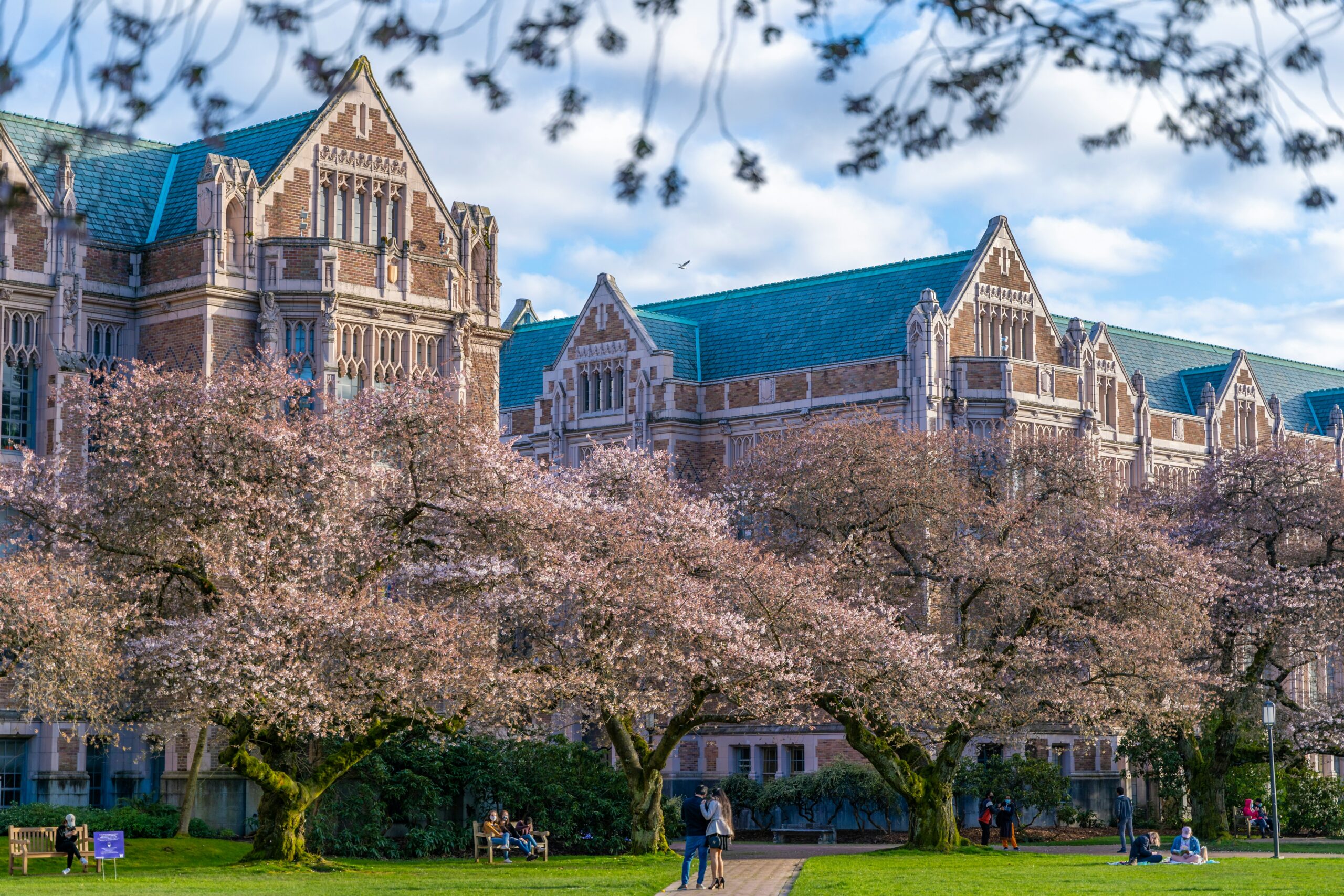
Junru Pu, Unsplash
A prominent civil rights complaint has been filed against the University of Washington. The legal challenge focuses on the school’s current transgender policies regarding bathroom access. Defending Education, a civil rights organization, officially submitted the document to federal authorities.
The complaint alleges that the university is violating federal law by allowing gender-confused men into women’s private spaces. It points specifically to Title IX regulations that are meant to protect single-sex spaces. These protected areas typically include bathrooms, locker rooms, and changing facilities on campus.
According to university documents, individuals are allowed to use facilities that align with their self-professed gender identity. The university’s official restroom policy states that employees can choose whichever restroom they feel most comfortable using. This policy effectively opens private spaces based on identity rather than biological sex.
Defending Education argues that this forces female students to share intimate spaces with male students and employees. The organization claims this directly violates the core principles of federal civil rights laws. They are calling on the Department of Education’s Office for Civil Rights to launch a full investigation.
Title IX was designed to prevent sex discrimination in any education program receiving federal financial assistance. The complaint states that the University of Washington treats Title IX as applying to both sex and gender identity. However, the legal filing notes that the Supreme Court has never held that sex and gender identity are the same thing.
The university also hosts a webpage listing several “all-gender restrooms” across its campus. One specific facility, the Health Sciences Education Building, does not offer any single-sex bathrooms at all. This building boasts 15 classrooms and almost 100,000 square feet of educational space for students.
Defending Education Vice President Sarah Parshall Perry explained that these actions conflict with guidance from the Trump administration. That administration interpreted Title IX as requiring distinct, sex-separated private spaces. Perry noted that the university is in a standoff with the administration over the true meaning of civil rights law.
Understanding the Title IX Violations
The conflict centers on how institutions interpret and apply federal civil rights protections. The civil rights complaint argues that the Constitution’s Supremacy Clause dictates that federal law preempts state laws. This means Title IX should override local ordinances regarding public accommodations.
Seattle has a “Public Accommodations Ordinance” that requires facilities to allow bathroom access based on gender identity. The university relies on these local guidelines to justify its current transgender policies. However, the legal filing insists this approach completely turns Title IX on its head.
By ignoring biological realities, the university is allegedly stripping female students of their protected rights. The complaint states that Title IX clearly recognizes the enduring biological differences between men and women. Treating “sex” and “gender identity” as interchangeable concepts fundamentally changes how the law operates.
The filing also highlights the university’s broader promotion of specific activism on campus. The university funds a dedicated “Q Center” with a budget exceeding $600,000 for the upcoming fiscal year. This center provides free items such as “tucking underwear” and devices to help biological females stand to urinate.
Furthermore, the university has established strict pronoun policies for its students and staff. The complaint notes that these guidelines punish students for recognizing biological reality instead of using preferred pronouns. These combined actions form the basis of the alleged Title IX violations at the institution.
Defending Education launched its new Center for Litigation and Legal Policy on the same day it filed this complaint. This new center focuses on filing administrative complaints and tracking developments in education-related law. Their stated goal is to identify civil rights violations on college campuses across the entire country.
The Future of Transgender Policies
This legal challenge represents a significant moment in the ongoing debate over Title IX. The outcome of this investigation could impact how universities nationwide handle bathroom and locker room access. Institutions receiving federal funds must carefully navigate these complex legal requirements.
The Department of Education’s Office for Civil Rights is now tasked with reviewing the submitted evidence. They will determine whether the University of Washington’s transgender policies truly violate federal statutes. This investigation process will carefully examine the intersection of local ordinances and federal mandates.
Federal executive orders regarding sex discrimination will also play a crucial role in this evaluation. Recent guidance emphasizes the protection of women from gender ideology and the restoration of biological truth. The university’s policies stand in direct contrast to these federal directives.
Defending Education insists that sex and gender identity are entirely different concepts under the law. They maintain that biological sex must be the determining factor for accessing single-sex intimate spaces. The organization expects federal authorities to enforce these traditional definitions strictly.
The University of Washington has not yet publicly altered its policies in response to the complaint. Students and faculty continue to operate under the university’s current guidelines for restroom and facility usage. The campus community awaits the official response from the Department of Education.
This case highlights the growing friction between state-level initiatives and federal civil rights enforcement. As the investigation proceeds, both sides will present their legal arguments regarding Title IX protections. The final ruling will likely set a strong precedent for educational institutions across the nation.
It is vital to monitor how these policies affect the daily lives of students. Ensuring equal opportunity and safety in K-12 schools and higher education remains a priority. The resolution of this civil rights complaint will clarify the legal boundaries of transgender policies in public universities.
Engaging in our political process should be clear, meaningful, and effective—but too often, people feel overlooked or unsure how to make an impact. That’s where we come in.
Million Voices equips citizens with tools that inform, inspire, and activate. Through our MVP Program, we help get voter resources into the hands of people who don’t typically vote—encouraging greater participation where it matters most.
We also offer devotions and opportunities for prayer, connecting faith with action. Through our Write Now Campaign, volunteers send letters to low-propensity voters in key areas, helping inspire them to engage and make their voices heard.
Ready to take the next step? Learn more or sign up to get involved: https://millionvoices.org/volunteer/
You can also be notified when Candidate Fact Sheets become available in areas you care about: https://millionvoices.org/cfs-notify/
Share on these platforms:
Million Voices is a movement that gives voters and potential voters the foundation they need to confidently act from a biblical worldview.