
EPA Leaves Data Center Rules to States
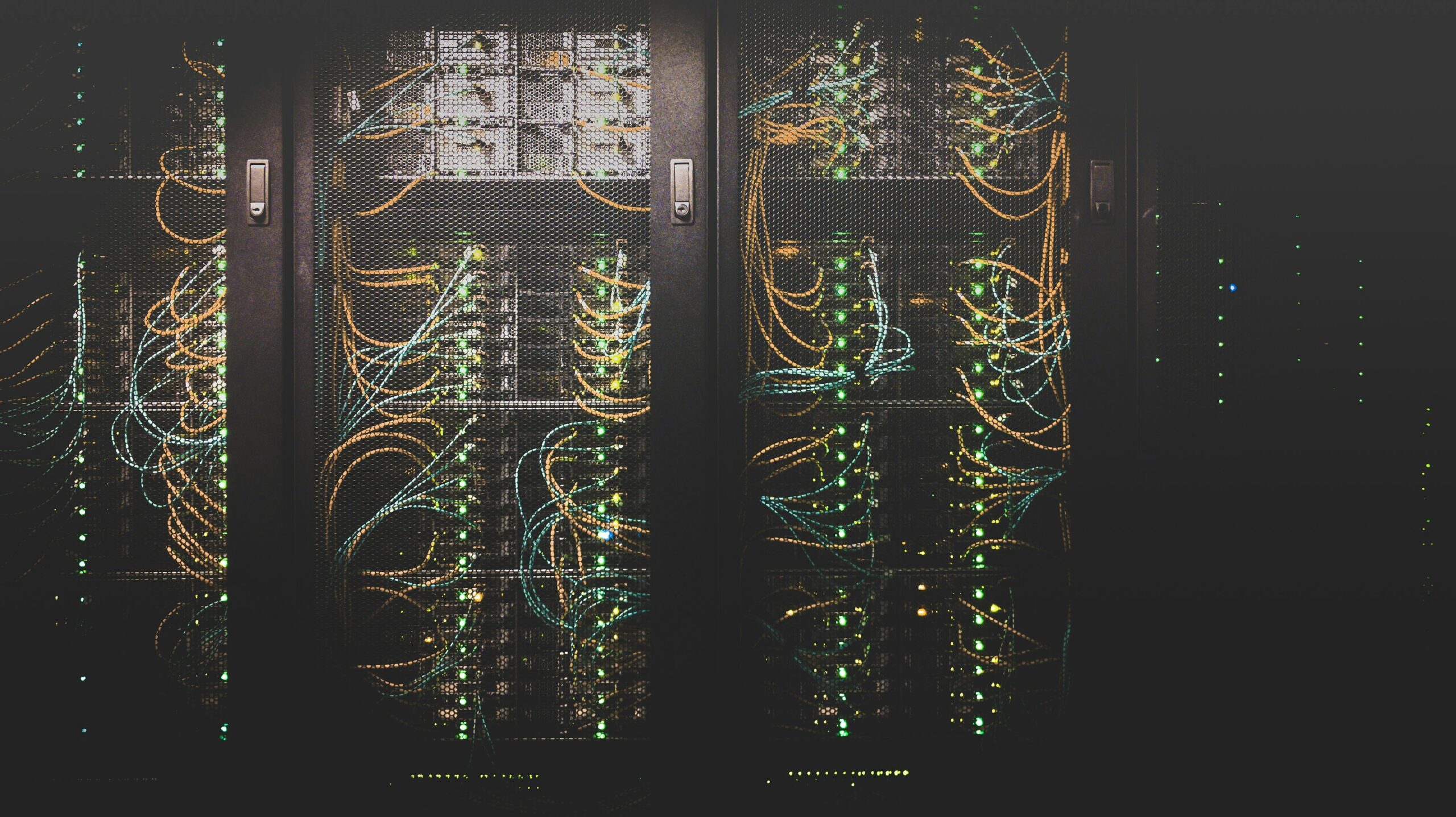
Taylor Vick, Unsplash
The Trump administration will not create nationwide environmental rules or recommendations for data centers. That was the message from EPA Administrator Lee Zeldin on Wednesday.
He spoke at the Politico Energy Summit in Washington. There, he laid out the agency’s stance on the fast-growing data center industry.
Zeldin said states and local communities should make these calls themselves. He argued that people on the ground know their own needs best.
States and Communities Should Decide
Zeldin made his position clear and direct. He said Washington should not dictate rules to local areas across the country.
“Ten times out of 10, I’m not going to sit inside of an agency building in Washington, D.C., and that we say that we know that local community in Georgia or Florida or Arizona or elsewhere better than everyone there locally,” Zeldin said.
This view fits a larger theme. The EPA has pointed to cooperative federalism, which means working alongside state, local, and Tribal partners rather than imposing rules from the top.
He acknowledged that some technologies and practices can cut air pollution and water use. But he said the choice of how to use them should rest with each community.
Public Concerns About Data Centers
Many Americans remain unsure about data centers. A Politico poll found that just 37% of people would support a data center being built in their area.
People who oppose these projects cite several reasons. Two of the most common worries are high water use and air pollution. Zeldin addressed the water concern directly. He pointed to closed-loop data center designs that do not regularly tap into local water supplies.
He also mentioned President Donald Trump’s ratepayer protection pledge. This is a voluntary agreement with major tech and AI companies. Under the pledge, companies agree to build or buy new power generation for their data centers. They also cover the cost of infrastructure upgrades.
Companies can sell extra power to utilities for public use. They can also work out separate rate deals with public utilities and states, so those costs are not passed on to everyday consumers.
The pledge includes other promises, too. Tech companies agree to provide backup generation to prevent blackouts during emergencies. They also commit to hiring locally for their data center projects.
Not All Data Centers Are the Same
Zeldin stressed that data centers should not be judged as one group. Each project is different, he said.
“While we hear these stories of the worst-case data center that is most controversial and has the most amount of opposition, we might hear less about the data center that is following all the best practices,” Zeldin said.
He encouraged builders to follow strong standards. “It is important, as more buildings are getting done, that they are following those best practices, not the worst practices,” he added.
Local conditions vary widely. Power needs, water use, cooling methods, and nearby communities all differ from site to site.
“You can’t just act across the board as if every data center project is equal, like they’re all following the same exact model in how they power their project in various ways, or how they cool their data center, so it really depends on how the deal gets done,” Zeldin said.
Outside of granting permits, Zeldin said the EPA usually plays only an advisory role. The agency does not run the negotiations between parties.
“EPA is not the party that is negotiating and or mediating or refereeing that deal that gets struck between the parties, but we are happy to engage as much as we possibly can to share that technical expertise and the best practices from what we’re seeing elsewhere around the country,” Zeldin said.
So the agency offers technical help when asked. It shares lessons learned from projects around the nation.
State and local air agencies issue most air permits for data centers. They do this under programs that meet minimum standards set by the Clean Air Act and EPA rules.
Clean Air Act Resources for Builders
The EPA has built a Clean Air Act resources page for data centers. It gathers rules, guidance, and technical tools in one place.
The page helps developers understand air quality permitting and modeling. It also explains regulations tied to AI infrastructure and power sources. Power is a key concern for these facilities. Combustion turbines and stationary engines often supply primary and backup power, and they fall under federal air emission standards.
The EPA says its goal is transparency and speed. The agency wants to help developers build data centers and the backup generation they need.
A Broader Push for AI Infrastructure
The resources page ties back to President Trump’s Executive Order 14179. That order calls for America to lead in artificial intelligence.
The EPA has worked closely with the AI industry during Zeldin’s tenure. The agency has cited the nation’s AI boom while easing some pollution rules.
It also eased guidance for diesel generators, a favored power source for data centers. This allows them to be used beyond just emergency backup.
For now, the federal message is consistent. The Trump administration wants states and communities to lead on environmental standards, while the EPA stays in a supporting role on data centers.
Engaging in our political process should be clear, meaningful, and effective—but too often, people feel overlooked or unsure how to make an impact. That’s where we come in.
Million Voices equips citizens with tools that inform, inspire, and activate. Through our MVP Program, we help get voter resources into the hands of people who don’t typically vote—encouraging greater participation where it matters most.
We also offer devotions and opportunities for prayer, connecting faith with action. Through our Write Now Campaign, volunteers send letters to low-propensity voters in key areas, helping inspire them to engage and make their voices heard.
Ready to take the next step? Learn more or sign up to get involved: https://millionvoices.org/volunteer/
You can also be notified when Candidate Fact Sheets become available in areas you care about: https://millionvoices.org/cfs-notify/
Share on these platforms:
Million Voices is a movement that gives voters and potential voters the foundation they need to confidently act from a biblical worldview.