
A Blow to Election Integrity at the High Court
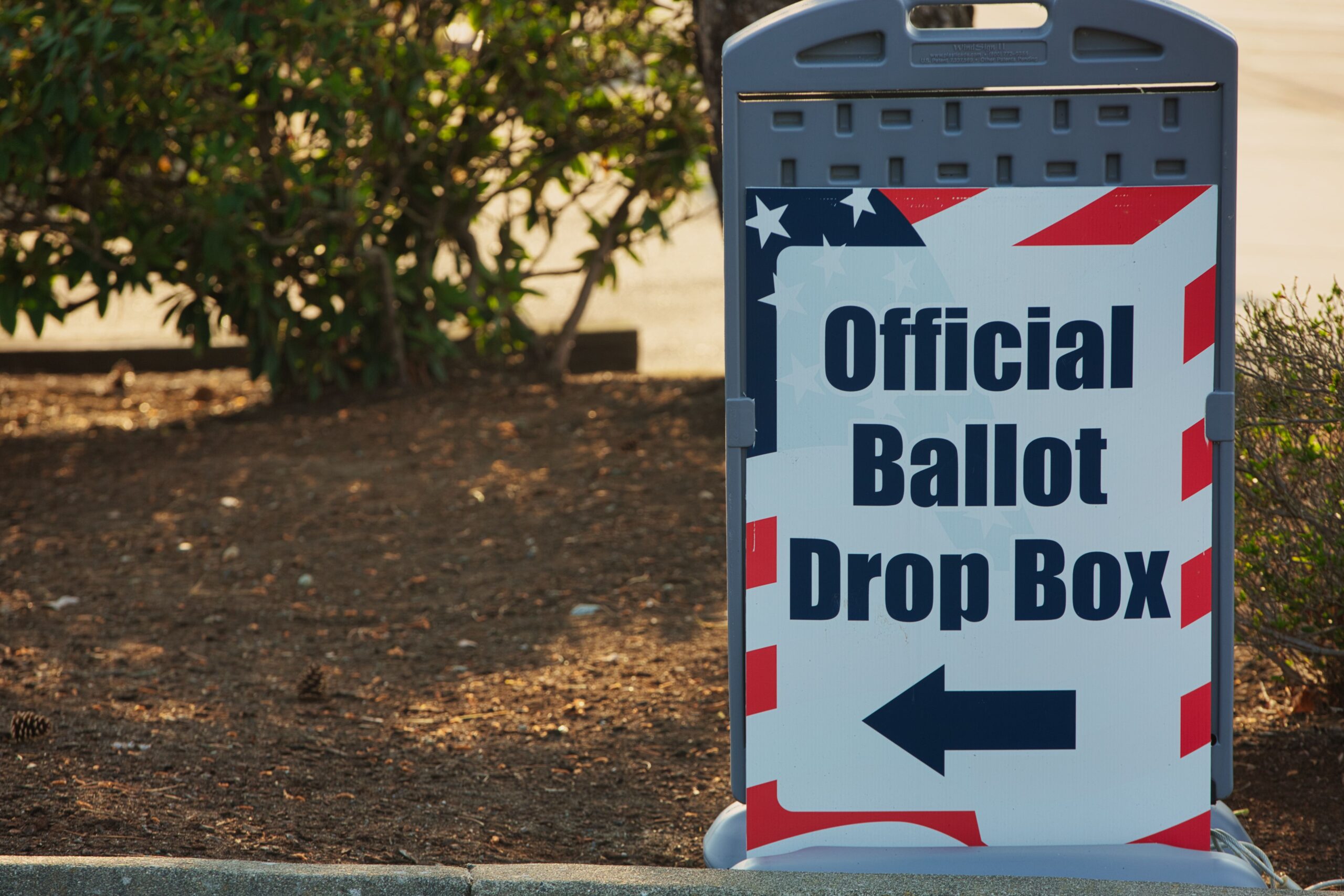
Greg Thames, Pexels
The U.S. Supreme Court dealt a setback to Republicans on Monday. In a 5-4 decision, the justices upheld the Mississippi law that lets election officials count mail-in ballots arriving after Election Day, as long as they are postmarked on time.
The ruling in Watson v. Republican National Committee will shape how votes are counted in this November’s midterm elections. It also lands squarely on a topic many conservatives and people of faith care about deeply: election integrity.
The Republican National Committee, the Mississippi GOP, and the state’s Libertarian Party had all challenged the grace period for absentee ballots. The Court’s decision means that rule, and similar laws across the country, will stay in place.
What the Supreme Court Decided
Mississippi allows mail-in ballots to be counted up to five business days after Election Day, so long as they are postmarked by the deadline. The RNC argued this clashes with federal law, which sets a single national Election Day in November.
Justice Amy Coney Barrett wrote the majority opinion and called the dispute a narrow question about timing. She explained that federal law sets the day when voters must make their choice, but does not fix a deadline for when ballots must be received. In her view, a short receipt window does not violate the federal Election Day statutes.
Barrett and Chief Justice John Roberts joined the liberal justices to form the majority. That alignment surprised many observers, since both were appointed by Republican presidents. The split was another reminder that the Court does not always rule the way people expect.
The case had a long road to Washington. Mississippi updated its election law in 2020, and the RNC sued in 2024. The conservative 5th Circuit Court of Appeals first sided with Republicans, which set up Monday’s showdown at the high court.
A Setback for Election Integrity Advocates
For Christians and conservatives who have pushed for stronger election safeguards, the ruling was a clear disappointment. Roughly 30 states currently count late-arriving ballots under similar grace-period laws, and those rules will remain untouched heading into the fall.
Justice Samuel Alito led the dissent, joined by Justices Clarence Thomas, Neil Gorsuch, and Brett Kavanaugh. He argued that Election Day is meant to be a single fixed date, not a window that stretches across several days. Alito warned of voter fraud and cautioned that the decision could undermine public confidence in election integrity.
These concerns reflect a conviction held by many believers: that honesty and order in our institutions matter. Scripture calls God’s people to love truth and act justly, and many Christians see secure elections as part of faithful stewardship of the freedoms we enjoy.
Supporters of the law see it differently. They argue grace periods protect military families, rural voters, and others who can face slow mail delivery through no fault of their own. To them, a ballot cast on time should still count even if the Postal Service is slow.
A Crisis of Trust the Founders Warned About
The worry over how ballots are cast and counted reaches far beyond Christians and conservatives. A recent nonpartisan survey found that confidence in elections has fallen across party lines, with Democrats, Republicans, and independents all less sure than they were a year ago. Distrust has also switched sides over time—Republicans felt more confident in 2004, while Democrats raised loud objections after the 2000 and 2016 races.
Gallup has tracked this slide for two decades, and the share of Americans with no confidence at all in the national vote count has climbed sharply since 2004. Late-arriving mail ballots are one of the few issues that majorities in both parties have called a problem—the very matter at the heart of Monday’s ruling.
This erosion of trust is more than a political headache. The founders knew that a free republic rests on the agreement of its people, not on force. Alexander Hamilton wrote in Federalist No. 22 that government must stand on the consent of the people, which he called the “pure, original fountain of all legitimate authority.”
Many of the founders feared that a people who stopped trusting their elections would, in time, stop consenting to be governed at all. A government that loses the confidence of its citizens has little left to hold it together. For believers, honesty at the ballot box is not a partisan hobby but a matter of truth and faithful stewardship.
Trump Responds and Renews Reform Push
President Donald Trump reacted quickly to what conservatives called a blow to Trump and the RNC. He has long criticized mail-in voting and used the moment to renew his call for Congress to pass the SAVE America Act, his signature election-reform bill.
The proposed law would require voters to show photo ID and proof of citizenship. It would also limit mail-in voting to certain cases. Supporters say these steps would strengthen confidence in the system, though the bill faces a steep climb in the Senate, where leaders have said the votes are not there.
This was no minor case. The RNC’s challenge would have upended voting rules in more than a dozen states just months before the November midterms. That high-stakes backdrop shows how central election rules have become to our national debate.
What This Means for Christians and the Midterms
With the midterms only months away, the decision brings short-term clarity. States with grace periods will keep them, and voters who mail their ballots on time can expect them to count even if they arrive a few days later. Election officials, for their part, avoid the burden of rewriting their rules and retraining staff just weeks before voting begins.
For people of faith, the lesson is not discouragement but engagement. Court rulings come and go, yet the call to be salt and light in the public square does not change. Believers can stay informed, vote with conviction, and encourage their neighbors and church families to do the same.
Million Voices remains committed to honest elections and the biblical values that shaped this nation. Whatever the courts decide, the duty of citizens to show up, speak truth, and pray for wisdom for our leaders endures. Faithful participation is not a season; it is a calling we carry into every election.
As believers, we are called to pray for our leaders and our nation. Pray for wisdom for those making these decisions, and for safety and dignity for all people affected by them.
That’s where we come in.
Prayer is at the heart of how Million Voices connects faith with civic life. Our Prayer Guide: Pray for Our Government Officials By Name is a free resource designed to help individuals, families, and small groups lift up the men and women who serve in public office—across every level of government and regardless of party.
Rooted in the scriptural call to pray “for kings and all those in authority” (1 Timothy 2:1–2), the guide offers a thoughtful framework for interceding on behalf of our leaders: for wisdom in their decisions, integrity in their conduct, protection for them and their families, and a heart for serving the common good.
Whether you’re looking to deepen your personal prayer life or to gather others in praying for our nation, this guide is a meaningful place to start. Download it here: https://millionvoices.org/mv-prayer-guide-pray-for-government-officials/
We also offer an opportunity to connect faith with action. Through our Write Now Campaign, volunteers send letters to low-propensity voters in key areas, helping inspire them to engage and make their voices heard.
Ready to take the next step? Learn more or sign up to get involved: https://millionvoices.org/volunteer/
You can also be notified when Candidate Fact Sheets become available in areas you care about: https://millionvoices.org/cfs-notify/
Share on these platforms:
Million Voices is a movement that gives voters and potential voters the foundation they need to confidently act from a biblical worldview.