
When a State Puts One Man Above the Law
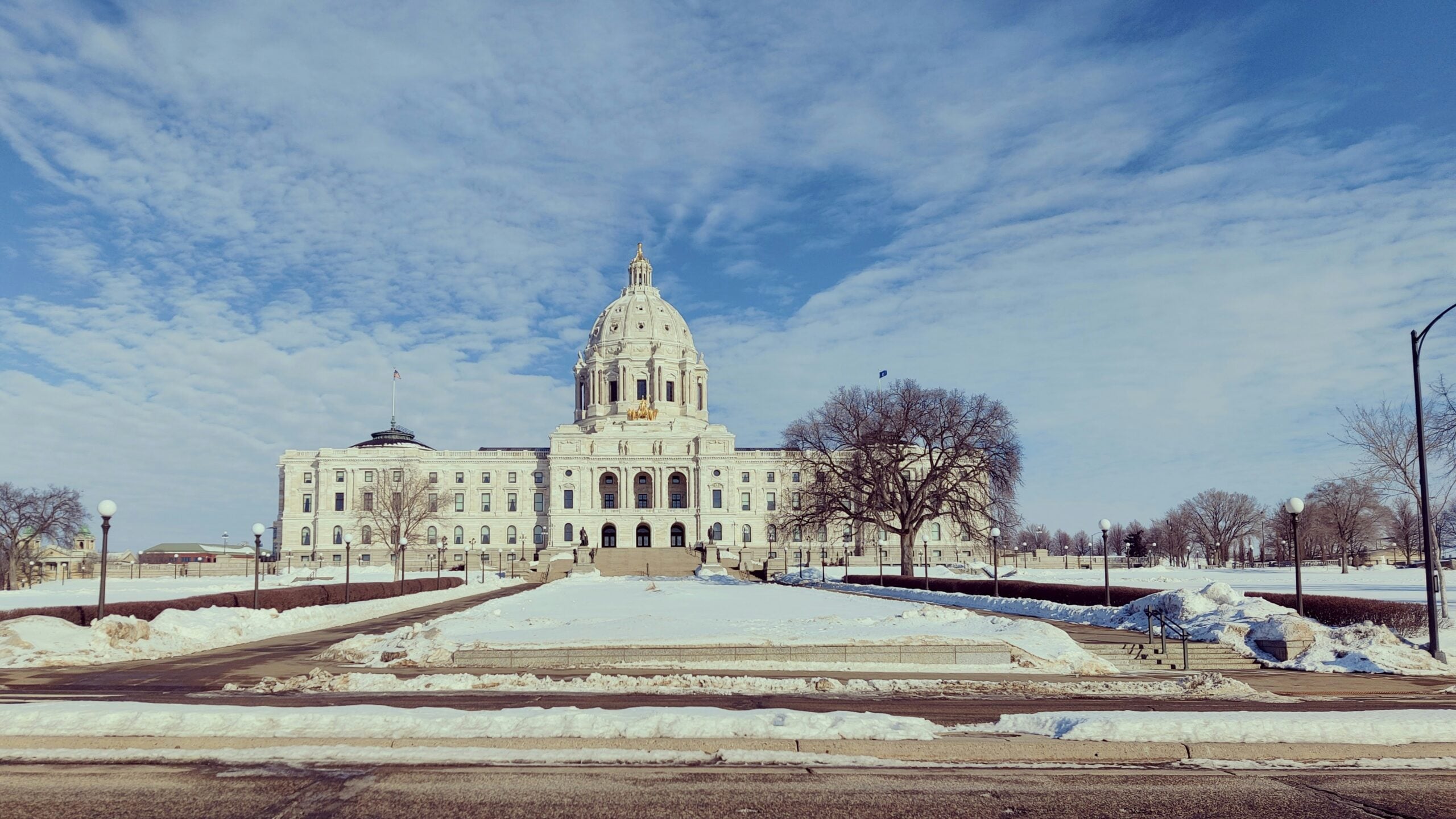
David Anderson, Unsplash
The Trump administration has deported a convicted child sex offender just weeks after the state of Minnesota tried to shield him from removal. The case has become a national flashpoint, and it raises a question every American should be able to answer: Who does justice actually serve?
Secretary of State Marco Rubio announced that he revoked the legal status of Tou Lue Vang, a Laotian national, clearing the way for federal agents to remove him from the country. Vang had been convicted in 2006 of first-degree criminal sexual conduct for repeatedly abusing a 10-year-old girl, and a judge ordered him deported that same year.
For nearly two decades, that order went unenforced. Then, just as immigration officers finally caught up with him, Minnesota stepped in to keep him here.
A Pardon Meant to Block Deportation
On June 10, Minnesota’s three-member Board of Pardons voted to grant Vang clemency. The board includes Gov. Tim Walz, Attorney General Keith Ellison, and the state Supreme Court’s chief justice.
The pardon did more than express sympathy. It erased the conviction that made Vang deportable, stripping away the legal grounds for his removal. In effect, a state government used its pardon power to try to override federal immigration law.
Minnesota is a sanctuary state, meaning it limits how local and state officials cooperate with federal immigration agents. That backdrop made the pardon look less like ordinary mercy and more like a deliberate effort to place one man above the law that binds everyone else.
Rubio was blunt about his response. After he revoked Vang’s status, federal agents took him into custody and removed him from the United States so that he could never again pose a threat to an American child.
Justice Belongs to the Public, Not Only the Victim
Defenders of the pardon point to a striking fact. The victim herself wrote a letter forgiving Vang, and the board cited her statement as a major reason for its decision.
That forgiveness deserves respect. It reflects a grace that Scripture praises, and no one should question the courage it took for her to offer it. But here is what too many people forget: justice is not only for the victim. It is for the public as well.
When a man abuses a child, he not only wrongs that child. He breaks the law that protects every child, and he offends the whole community that the law was written to keep safe. One victim can forgive a personal wrong, but she cannot waive the public’s right to be protected from a proven predator.
The Bible itself holds these two truths together. It commands us to forgive those who sin against us, yet it also teaches that the governing authority “does not bear the sword in vain,” acting as God’s servant to bring punishment on the wrongdoer. Personal mercy and public justice live in different spheres, and one was never meant to cancel the other.
This is why a victim’s forgiveness, however admirable, cannot settle the matter for everyone else. The state does not prosecute crimes on behalf of a single person. It does so on behalf of us all.
Consider what the pardon actually asked the public to accept. It asked every parent in Minnesota to trust that a man who repeatedly abused a child over the course of years posed no further danger, simply because one brave woman chose to forgive him. Forgiveness can heal a heart, but it cannot rewrite a record or guarantee a stranger’s future conduct. That is the sober work the law exists to do.
A Government’s First Duty Is to Protect the Innocent
Scripture calls leaders to “defend the rights of the poor and needy” and to speak up for those who cannot speak for themselves. Few people are more vulnerable than a child, and few duties are more basic than keeping dangerous criminals away from them.
That duty does not stop at the water’s edge. A foreign national who enters our country and preys on our children has no rightful claim to remain, and enforcing that principle is not cruel. It is the ordinary work of a government that takes its people’s safety seriously.
We have already seen what happens when that work gets done. After ICE began removing criminal illegal immigrants, cities like Denver reported a nearly 60% drop in homicides. Enforcing the law is not an act of malice; it saves lives.
A nation without borders or the rule of law cannot protect anyone within them. As Million Voices has argued, we carry a biblical mandate to protect our families and to steward the country entrusted to us.
Mercy and Law Both Have Their Place
None of this denies the beauty of forgiveness. A victim who forgives has done something Christlike, and her heart is not the problem in this story.
The problem is a state government that confused private mercy with public duty. Walz and his board were free to admire whatever remorse Vang expressed, but they were not free to trade away the safety of every other child in Minnesota in order to reward it.
Rubio’s action restored a simple principle that a just society cannot live without. Vang committed his crime here, in America, against American law, and in the end, it was American law that answered for the children he can no longer reach.
As believers, we are called to pray for our leaders and our nation. Pray for wisdom for those making these decisions, and for safety and dignity for all people affected by them.
That’s where we come in.
Prayer is at the heart of how Million Voices connects faith with civic life. Our Prayer Guide: Pray for Our Government Officials By Name is a free resource designed to help individuals, families, and small groups lift up the men and women who serve in public office—across every level of government and regardless of party.
Rooted in the scriptural call to pray “for kings and all those in authority” (1 Timothy 2:1–2), the guide offers a thoughtful framework for interceding on behalf of our leaders: for wisdom in their decisions, integrity in their conduct, protection for them and their families, and a heart for serving the common good.
Whether you’re looking to deepen your personal prayer life or to gather others in praying for our nation, this guide is a meaningful place to start. Download it here: https://millionvoices.org/mv-prayer-guide-pray-for-government-officials/
We also offer an opportunity to connect faith with action. Through our Write Now Campaign, volunteers send letters to low-propensity voters in key areas, helping inspire them to engage and make their voices heard.
Ready to take the next step? Learn more or sign up to get involved: https://millionvoices.org/volunteer/
You can also be notified when Candidate Fact Sheets become available in areas you care about: https://millionvoices.org/cfs-notify/
Share on these platforms:
Million Voices is a movement that gives voters and potential voters the foundation they need to confidently act from a biblical worldview.