
Bipartisan House Vote Condemns Socialism
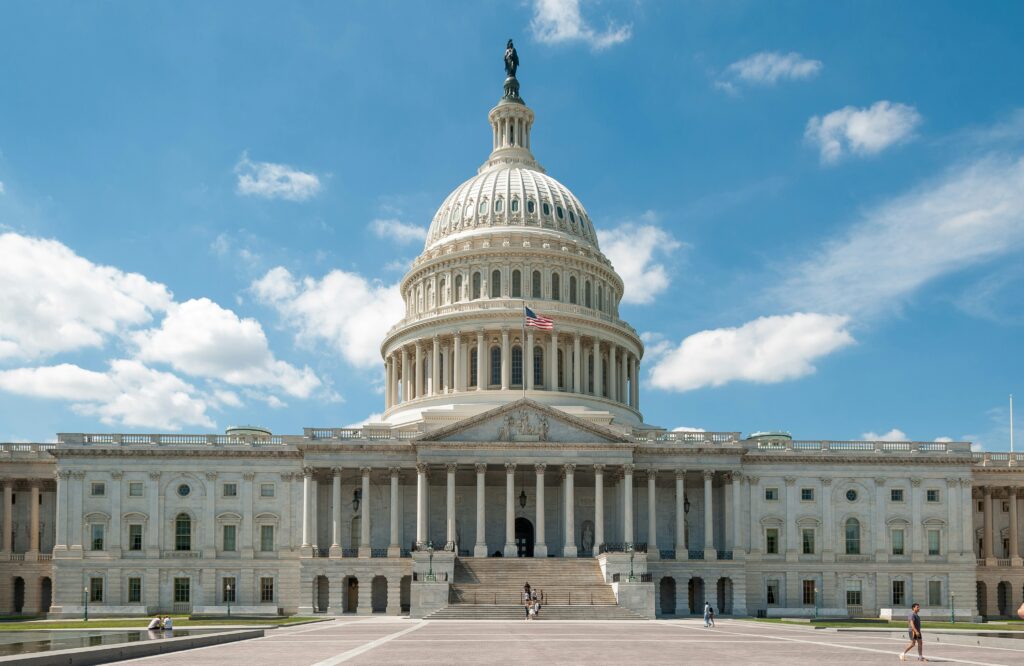
Stephen Walker, Unsplash
The U.S. House of Representatives issued one of its most forceful ideological statements of 2025 last week by passing a resolution condemning socialism in all its forms. The measure, introduced by Rep. Maria Elvira Salazar, passed with 285 votes in favor and 98 against, including 86 Democrats who joined Republicans in supporting the declaration. The move came just hours before New York City mayor-elect Zohran Mamdani, a proud democratic socialist, arrived in Washington for meetings at the White House. The resolution’s backers framed the vote as a necessary reaffirmation of core American values at a moment when socialist ideas are gaining visibility in national politics.
According to reporting from Fox News, supporters of the measure argued that socialism has historically resulted in “famine, mass murder, and the systemic denial of basic human rights,” citing examples such as Castro’s Cuba, Maoist China, and the ongoing dictatorial rule in Venezuela. The resolution asserts that the United States must oppose any implementation of socialist policies domestically, warning that such systems clash directly with the constitutional principles that underpin the nation’s governance.
The timing of the vote added to its significance. Mayor-elect Mamdani’s arrival in Washington coincided with rising concern among lawmakers about the normalization of socialist rhetoric in major American cities. Newsmax noted that the mayor-elect’s victory and his self-described socialist platform had already sparked heated debates, making Congress’s action a direct response to what many consider an ideological shift within parts of the electorate.
Why Lawmakers Moved Quickly and What They Want to Signal
Lawmakers backing the resolution say the measure is both symbolic and urgently necessary. The Daily Wire reported that the House specifically timed the vote to send a message not only to Mamdani, but to a broader movement of policymakers pushing for radical restructuring of economic and social systems under the banner of socialism. Supporters argued that as socialist-aligned leaders gain more visibility, Congress must reaffirm that the American system is built on individual liberty, private enterprise, and constitutional limits, not centralized power.
The New York Post noted that the resolution reignited debates within the Democratic Party itself, highlighting the widening divide between moderates and members aligned with more progressive or socialist ideologies. Several Democrats who supported the resolution emphasized that condemning socialism does not equate to rejecting social safety nets or economic reforms; rather, it is a rejection of systems that vest sweeping control in the state at the cost of personal freedom. Their votes signaled growing unease with the influence of the Democratic Socialists of America and others advocating more radical structural changes.
This resolution also reflects broader cultural and generational divides. Million Voices recently published an article examining Gen Z’s growing attraction to socialism, noting that many younger Americans view it as a path toward fairness. Yet the same article warned that socialism has historically produced “misery, oppression, and economic ruin,” echoing the long list of failed regimes cited in the House resolution. That message, that socialism’s promises rarely match its outcomes, now sits at the heart of Congress’s rebuke.
A Defining Moment for National Policy Debates
The House resolution, while not a binding law, signals how future debates may take shape as the 2026 elections approach. By taking a firm stance, Congress has placed ideological clarity at the center of national dialogue. Lawmakers are not only opposing socialism as a political philosophy; they are also cautioning that policies rooted in state control over private enterprise, energy production, or social services could lead the nation down a road proven disastrous in other countries.
Many Republicans framed the vote as a defense of American identity. They argued that the United States has historically prospered because of its commitment to free markets, limited government, and individual responsibility. Supporters contend that even partial moves toward socialist models threaten economic innovation, job creation, and constitutional freedoms.
At the same time, Democrats who voted in favor of the resolution are sending a message to their own party. While progressive activists attempt to push national platforms leftward, a significant bloc of Democrats is signaling resistance to that trend. Their votes reflect a belief that aligning too closely with socialist rhetoric could alienate swing voters, undermine economic confidence, and fracture the party’s broader coalition.
The resolution also raises strategic questions about urban policy experiments underway in major cities. As leaders like Mamdani promote publicly funded housing programs, expanded transit subsidies, and municipal ownership initiatives, federal lawmakers will carefully watch whether these approaches improve outcomes or produce the economic strain and bureaucratic dysfunction critics predict. Congress’s condemnation is therefore not only historical commentary but also a warning tied to policy outcomes that will soon be observable.
In the coming months, debates over immigration, housing, energy, and public spending are likely to sharpen as lawmakers reference the resolution during legislative negotiations. Its passage marks a turning point in how Congress frames ideological boundaries, making explicit what had long been implied: the United States must not drift toward systems that have repeatedly failed elsewhere.
Contacting your representatives should be easy, but there are myriad ways they can ignore your messages. That’s where we come in.
Yes, Million Voices helps you with voter guides. Yes, we send letters from YOU directly to your elected officials because it’s the only way to guarantee they’ll listen to you. Yes, we publish data, articles, text messages, and help bridge the gap between education and civic action. But what do you want? Tell us today.
We want to make YOU the hero of our American story by giving you the tools you need to make a difference, from your local, state, all the way up to the federal level.
Join us in our mission to advocate for religious freedom, support fair and secure elections, and uphold the values that this great nation was built upon. Tell us what you want from the next four years, and we will fight to make it a reality … again!
Share on these platforms:
Million Voices is a movement that gives voters and potential voters the foundation they need to confidently act from a biblical worldview.