
Court Rules Pentagon Press Limits Unconstitutional
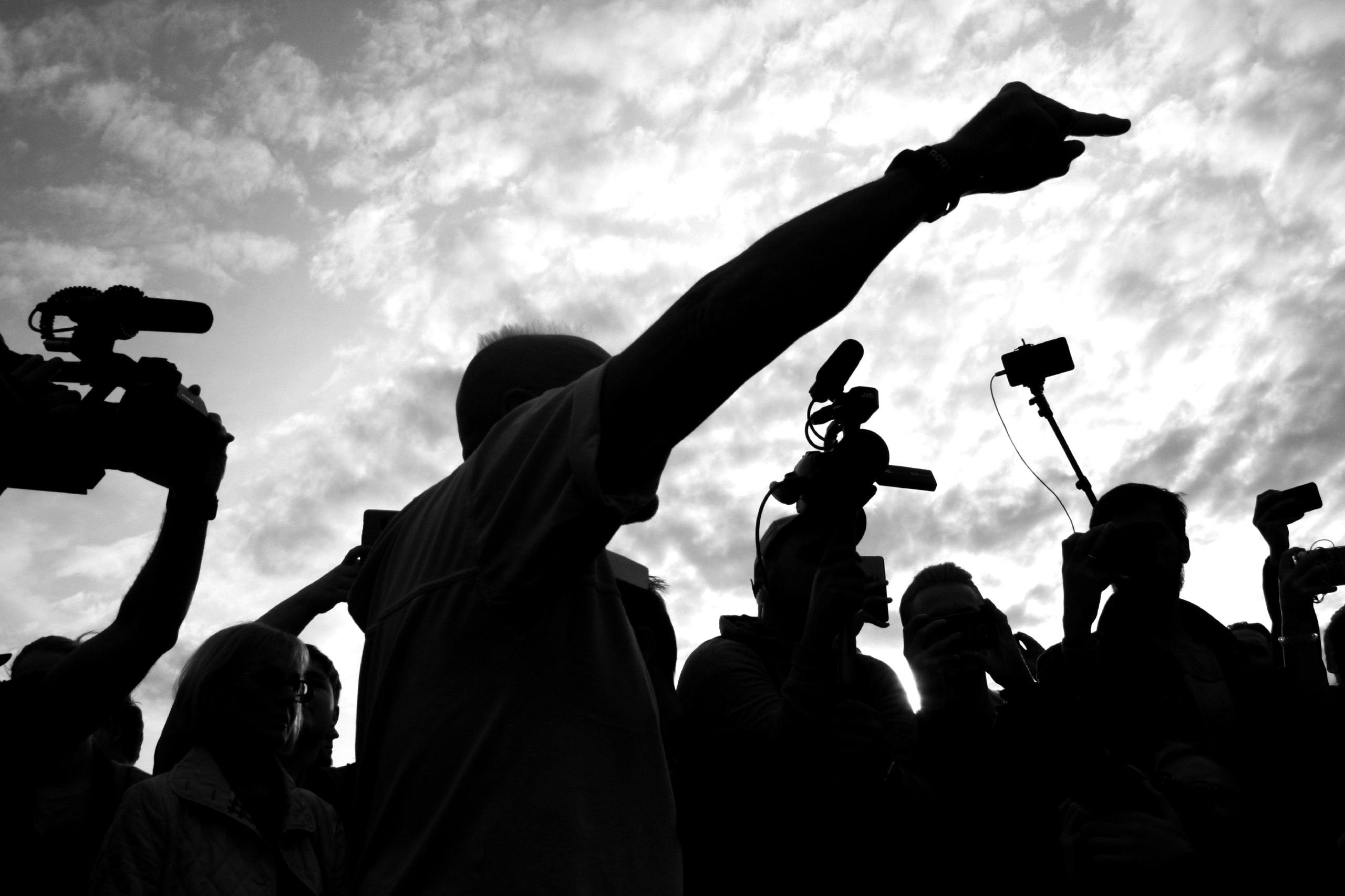
Nikita Kotrelev, Unsplash
U.S. District Judge Paul Friedman officially blocked the Pentagon’s restrictive press access rules. This decision hands a significant legal victory to The New York Times and other media organizations. The ruling centers on the fundamental First Amendment rights that keep our nation secure and accountable.
The lawsuit challenged policy changes made by the Defense Department in October 2025. These changes gave officials the power to revoke the press badges of reporters deemed to be security risks. The government argued that this Pentagon press policy was necessary for protecting national security and war plans.
However, journalists argued the rules were designed to stifle unflattering coverage and control the narrative. Out of 56 news outlets in the Pentagon Press Association, only one agreed to sign an acknowledgment of the new policy. Reporters who refused to sign the document were forced to surrender their press passes.
The Pentagon then assembled a new press corps made up of outlets willing to agree to the strict terms. Justice Department lawyers acknowledged the policy was partly subjective but maintained it relied on neutral criteria. The court ultimately disagreed, stating the policy unlawfully restricted essential newsgathering techniques.
The Battle for First Amendment Rights
Judge Friedman ruled that the policy violated both the First and Fifth Amendments of the Constitution. He stated that the rules were overly expansive and failed to provide fair notice of what lawful journalistic practices might result in revoked credentials. The judge emphasized that the policy made any reporting not blessed by the department a possible basis for punishment.
The court found undisputed evidence that the policy was designed to weed out disfavored journalists. The ruling stated that replacing independent reporters with those willing to serve the government is a clear instance of viewpoint discrimination.
The Times’ attorneys praised the court’s decision as a powerful rejection of efforts to impede the free press. They argued that arbitrary authority over press credentials can quickly lead to dangerous self-censorship among reporters.
The government had argued that soliciting military personnel to disclose unauthorized information was not legally protected speech. However, the judge rejected this argument, noting reporters couldn’t know whether the information they sought was authorized for release. Journalists asking questions of the government cannot be treated as criminal behavior.
With the manipulation of the media and the bad reputation that mainstream media has received, it has become a challenge to find a solution to ensuring the First Amendment is respected, and the manipulation of the public is avoided.
Protecting Essential Journalist Access
Following the ruling, Judge Friedman ordered the Pentagon to reinstate the press credentials of seven New York Times journalists. He also clarified that his decision to vacate the challenged policy terms applies to all regulated parties. The Pentagon was given exactly one week to file a written report demonstrating its compliance with the order.
Pentagon spokesman Sean Parnell quickly responded to the ruling on social media. He stated that the government respectfully disagrees with the court’s decision. Parnell confirmed that the Defense Department will seek an immediate appeal to reinstate the Pentagon press policy.
This legal battle highlights the ongoing tension between national security and the public’s right to know. The Associated Press also has a pending lawsuit against the administration over its removal from the White House press corps. These combined legal challenges emphasize the growing concerns over journalists’ access to public spaces.
As a movement of faith and freedom, we must stay informed about these critical legal battles. The active involvement of citizens is essential to upholding the integrity of our republic.
Contacting your representatives should be easy, but there are myriad ways they can ignore your messages. That’s where we come in.
Yes, Million Voices helps you with voter guides. Yes, we send letters from YOU directly to your elected officials because it’s the only way to guarantee they’ll listen to you. Yes, we publish data, articles, text messages, and help bridge the gap between education and civic action. But what do you want? Tell us today.
We want to make YOU the hero of our American story by giving you the tools you need to make a difference, from your local, state, all the way up to the federal level.
Join us in our mission to advocate for religious freedom, support fair and secure elections, and uphold the values that this great nation was built upon. Tell us what you want from the next four years, and we will fight to make it a reality … again!
Share on these platforms:
Million Voices is a movement that gives voters and potential voters the foundation they need to confidently act from a biblical worldview.