
George Floyd Over Fallen Soldiers? Frey Under Fire
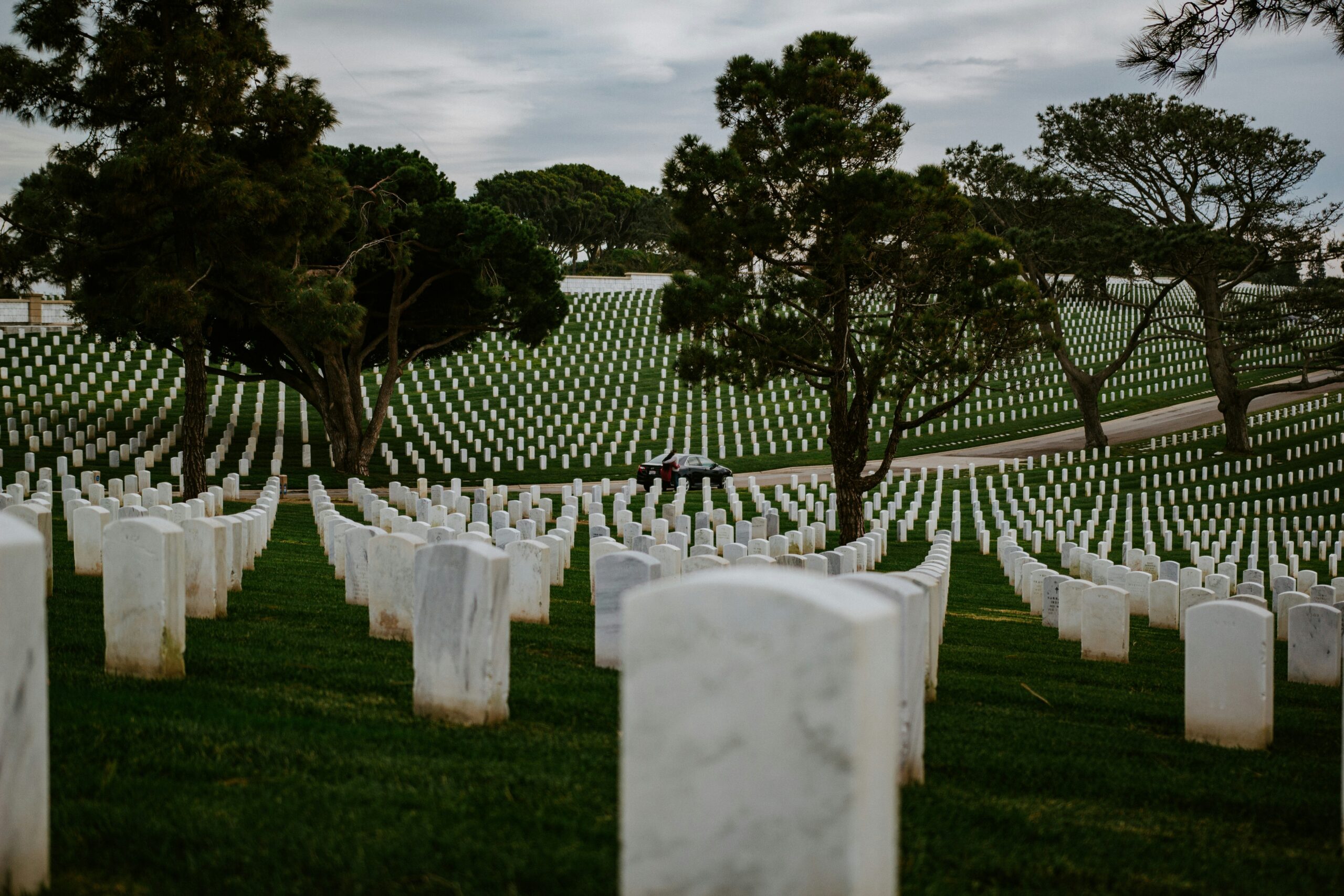
Gabe Pierce, Unsplash
Minneapolis Mayor Jacob Frey came under heavy criticism on X, after he chose to honor George Floyd on social media before recognizing fallen U.S. service members. For many Americans, the issue was not only what Frey posted, but what his first post of the day seemed to reveal about his priorities.
Memorial Day is meant to honor the men and women who died serving the nation. That is why Frey’s decision struck such a nerve and fed a wider concern that some Democrats are quicker to elevate controversial figures than to first remember those who gave their lives for American freedom.
On Memorial Day, Americans should be honoring the brave men & women who gave their lives for this country.
Instead, Democrats like Mayor Frey are focused on George Floyd.
The fallen deserves remembrance.
Our heroes deserve honor. https://t.co/68GH7YCANe— Jay Feely (@jayfeely) May 25, 2026
Frey’s First Message Focused on George Floyd
Frey posted on X, “Today, we remember George Floyd, who was murdered by a former Minneapolis police officer six years ago. That moment changed our city forever.” He then followed with a thread about race, policing, trust, and the rebuilding of George Floyd Square.
Frey said Floyd’s death forced Minneapolis to face “painful truths” and pushed the city toward accountability. He also said city leaders had worked to reform policing and rebuild trust with residents.
What stood out was that none of those early posts mentioned Memorial Day. On a holiday reserved for the nation’s fallen heroes, Frey’s first instinct was to spotlight Floyd and a political legacy tied to the unrest of 2020.
That choice became the center of the controversy. Critics argued that even if a public official wanted to acknowledge Floyd’s death, Memorial Day should have begun with honor for the military families who carry the cost of war and sacrifice.
Why the Story Resonated So Strongly
George Floyd died on May 25, 2020, after then-officer Derek Chauvin restrained him with a knee on his neck for about nine minutes in Minneapolis. Floyd had been detained after allegedly trying to use a counterfeit $20 bill at a convenience store.
The Hennepin County Medical Examiner ruled Floyd’s death a homicide. The report listed “cardiopulmonary arrest complicating law enforcement subdual, restraint, and neck compression” as the cause, while also noting fentanyl intoxication, recent methamphetamine use, and heart disease as contributing factors.
Chauvin was convicted and sentenced to prison, as were three other officers involved in the case. At the same time, Floyd’s death became more than a criminal case. It became a national political symbol, and that symbol has continued to divide the country.
For many on the left, Floyd remains a central figure in calls for racial justice and police reform. For many others, especially conservatives and veterans, the repeated effort to lift Floyd up as a moral icon feels deeply out of step, especially given his criminal record and the destruction that followed his death.
The unrest that followed in 2020 left a lasting mark on Minneapolis and cities across the nation. At least 15 people were killed during the riots, thousands of businesses were damaged or destroyed, and losses reached roughly $2 billion.
Critics Underscore Inappropriate Timing
The backlash was immediate and broad. Critics from media, politics, and military circles said Frey had turned a solemn American holiday into another moment for progressive signaling.
Florida State Rep. Randy Fine wrote, “Newsflash: Today is Memorial Day, not George Floyd Day. Show our fallen heroes and their families some freaking respect.” His comment captured the anger of many who felt Frey had ignored the very purpose of the day.
Former Air Force pilot Buzz Patterson wrote that Memorial Day is “sacred ground for honoring American heroes who gave their lives for this country.” He accused Frey of dishonoring fallen troops and their families by putting Floyd first.
Reporter Sarah Fields gave one of the most personal responses. She contrasted Frey’s post with the memory of her friend who was killed during military deployment, arguing that the difference showed why many Americans feel there is a moral imbalance in how the left chooses its public symbols.
That imbalance is what gave this story staying power. To critics, Frey’s post fit a larger pattern in which Democrats seem more eager to center deceased criminals or political martyrs than to clearly and immediately honor those who died in service to the country.
That does not mean every Democrat believes that. But Frey’s timing made it easier for critics to argue that this instinct has become part of the party’s public image.
Frey Posted About Memorial Day Later
According to Breitbart News, reporters contacted Frey’s office at 10:25 a.m. to ask why he had posted about Floyd before Memorial Day. At 11:38 a.m., Frey then posted a separate Memorial Day tribute honoring service members who gave their lives for the country.
The message said, “Memorial Day is a time to remember the brave service members who gave their lives for our country and the freedoms we enjoy today.” Three minutes later, Frey’s communications director Ally Peters replied to Breitbart, saying the mayor had also posted for Memorial Day.
The timeline mattered. Critics noted that the military tribute came only after media questions, making it appear reactive rather than heartfelt.
Other Minnesota Democrats had posted Memorial Day messages earlier that morning. Gov. Tim Walz, Sen. Amy Klobuchar, and Attorney General Keith Ellison all publicly honored fallen service members before Frey posted his Floyd tribute.
That contrast made Frey stand out even more. It suggested he had options and chose a different path.
President Donald Trump also marked the day by honoring Americans who made the ultimate sacrifice. His message underscored the gap between leaders who began Memorial Day with the nation’s war dead and those who appeared to place other causes first.
In the end, the Frey controversy became about more than one post. It raised a larger question about national memory, public leadership, and whether some leaders have become so committed to political narratives that they fail to first honor the people Memorial Day was created to remember.
Engaging in our political process should be clear, meaningful, and effective—but too often, people feel overlooked or unsure how to make an impact. That’s where we come in.
Million Voices equips citizens with tools that inform, inspire, and activate. Through our MVP Program, we help get voter resources into the hands of people who don’t typically vote—encouraging greater participation where it matters most.
We also offer devotions and opportunities for prayer, connecting faith with action. Through our Write Now Campaign, volunteers send letters to low-propensity voters in key areas, helping inspire them to engage and make their voices heard.
Ready to take the next step? Learn more or sign up to get involved: https://millionvoices.org/volunteer/
You can also be notified when Candidate Fact Sheets become available in areas you care about: https://millionvoices.org/cfs-notify/
Share on these platforms:
Million Voices is a movement that gives voters and potential voters the foundation they need to confidently act from a biblical worldview.