
HHS Reopens Religious Freedom Division
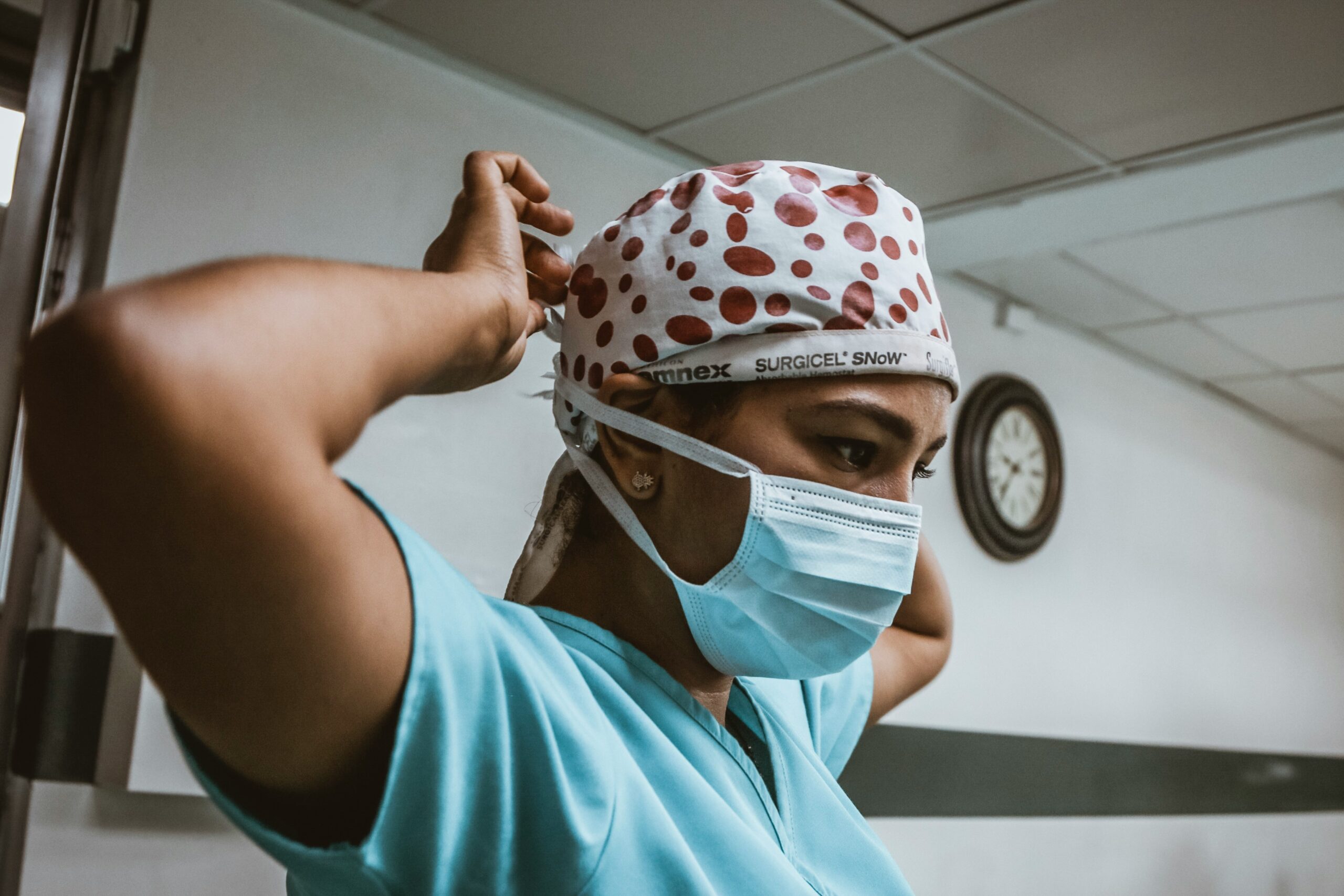
SJ Objio, Unsplash
The U.S. Department of Health and Human Services is sending a clear message: religious liberty in health care matters. On May 18, 2026, HHS announced a major restructuring of its Office for Civil Rights, and at the center of that move is the revival of a division created to protect the conscience rights of doctors, nurses, and health care workers across the country.
This isn’t a small bureaucratic shift. It’s a statement of values. For people of faith who work in medicine, the restoration of the Conscience and Religious Freedom Division could mean the difference between keeping their careers and being forced out of health care altogether.
What Is the Conscience and Religious Freedom Division?
The Conscience and Religious Freedom Division, known as the CRFD, was first established in January 2018 during President Trump’s first term. Its purpose was to enforce federal laws that protect health care workers who object, on religious or moral grounds, to participating in procedures like abortion or transgender treatments. The division gave those protections a dedicated home inside the HHS Office for Civil Rights.
In March 2023, the Biden administration dissolved the CRFD and folded its responsibilities into a broader policy division. Critics said the move effectively buried religious liberty enforcement. Now, under the Trump administration, the division has been restored and restructured with renewed authority and a clear mandate.
The reorganized Office for Civil Rights will now operate through three separate divisions: the Conscience and Religious Freedom Division, the Civil Rights Division, and the Health Information Privacy, Data, and Cybersecurity Division. Each division will have its own leadership and subject-matter focus.
HHS Secretary Robert F. Kennedy Jr. framed the move in strong terms. “This reorganization restores the HHS Civil Rights Division and the Conscience and Religious Freedom Division and strengthens the Office for Civil Rights’ ability to defend religious liberty, enforce conscience protections, and combat unlawful discrimination,” Kennedy said. “Under President Trump’s leadership, HHS will defend these rights with clarity, accountability, and resolve.”
Why the Division Was Revived
The driving force behind the restoration is straightforward: the Trump administration believes conscience protections for health care workers were systematically weakened under the Biden administration. HHS says the CRFD’s work was not just de-emphasized, it was dismantled.
According to an HHS official, the revived division will serve as a “headquarters-level division dedicated to advancing voluntary compliance by regulated entities with federal statutes and regulations related to conscience and religious freedom in health and human services.” The official added that providers of health care and human services who are motivated by faith “should not be driven out of Federal programs because of those convictions.”
Paula M. Stannard, director of the HHS Office for Civil Rights, said the three-division structure gives each area the focus it deserves. “All three areas are deserving of subject-matter expertise and distinct senior executive leadership for OCR to best serve the American people,” she said. The restructuring is not expected to result in any reduction of OCR’s workforce.
This move also connects to a broader pattern. Since returning to office, President Trump has established a Religious Liberty Commission through the Department of Justice and created a White House Faith Office to strengthen partnerships with faith communities nationwide. The restoration of the CRFD fits squarely within that larger effort to protect religious freedom at every level of the federal government.
Active Cases and Ongoing Investigations
The revived CRFD isn’t just a symbolic gesture. HHS officials say the division is already engaged in real cases involving health care workers who say their religious rights were violated.
During a media briefing, a senior HHS official described several active investigations. One case involves a hospital accused of firing ultrasound technicians who refused to assist in abortion-related procedures on religious grounds. Another investigation targets a Michigan health system accused of terminating an employee who requested a religious accommodation related to using a patient’s preferred pronouns. HHS is also investigating 13 states accused of pressuring health care organizations to provide or pay for abortion coverage against their moral or religious objections.
The HHS official also said the department is cooperating with the federal Task Force to Eradicate Anti-Christian Bias and is reviewing complaints of alleged antisemitism affecting Jewish and Israeli students at major colleges and universities.
Critics Raise Concerns About Patient Access
Not everyone welcomes the expansion of conscience protections. Critics argue that broadly applying religious and moral exemptions in health care settings could allow providers to deny care to patients based on personal beliefs rather than medical need.
The National Women’s Law Center has referred to such policies as “refusal laws,” arguing they can enable providers to withhold treatment in ways that harm vulnerable patients. Opponents warn that without clear limits, expanded conscience protections could interfere with patients’ access to legal medical procedures, particularly reproductive health care.
HHS has not yet addressed the specific boundaries of the new division’s enforcement powers, and a Federal Register notice with additional details is expected to be published next month.
A Moment That Demands Your Attention
The restoration of the CRFD is more than a policy update, it’s a turning point. For years, health care workers of faith have faced pressure to choose between their beliefs and their careers. This division exists to make sure no American has to make that choice. It’s a moment that demands your attention, and we implore you to take action.
The new Conscience and Religious Freedom Division is an essential step towards protecting religious freedom in healthcare. It ensures that doctors, nurses, and other medical professionals can continue to practice according to their deeply held beliefs without fear of discrimination or retaliation.
This is not about imposing one set of beliefs on others, but rather upholding the principle that individuals have the right to live out their faith in all aspects of their lives.
Engaging in our political process should be clear, meaningful, and effective—but too often, people feel overlooked or unsure how to make an impact. That’s where we come in.
Million Voices equips citizens with tools that inform, inspire, and activate. Through our MVP Program, we help get voter resources into the hands of people who don’t typically vote—encouraging greater participation where it matters most.
We also offer devotions and opportunities for prayer, connecting faith with action. Through our Write Now Campaign, volunteers send letters to low-propensity voters in key areas, helping inspire them to engage and make their voices heard.
Ready to take the next step? Learn more or sign up to get involved: https://millionvoices.org/volunteer/
You can also be notified when Candidate Fact Sheets become available in areas you care about: https://millionvoices.org/cfs-notify/
Share on these platforms:
Million Voices is a movement that gives voters and potential voters the foundation they need to confidently act from a biblical worldview.