
Illegal Immigration Hits Record Low After Policy Shift
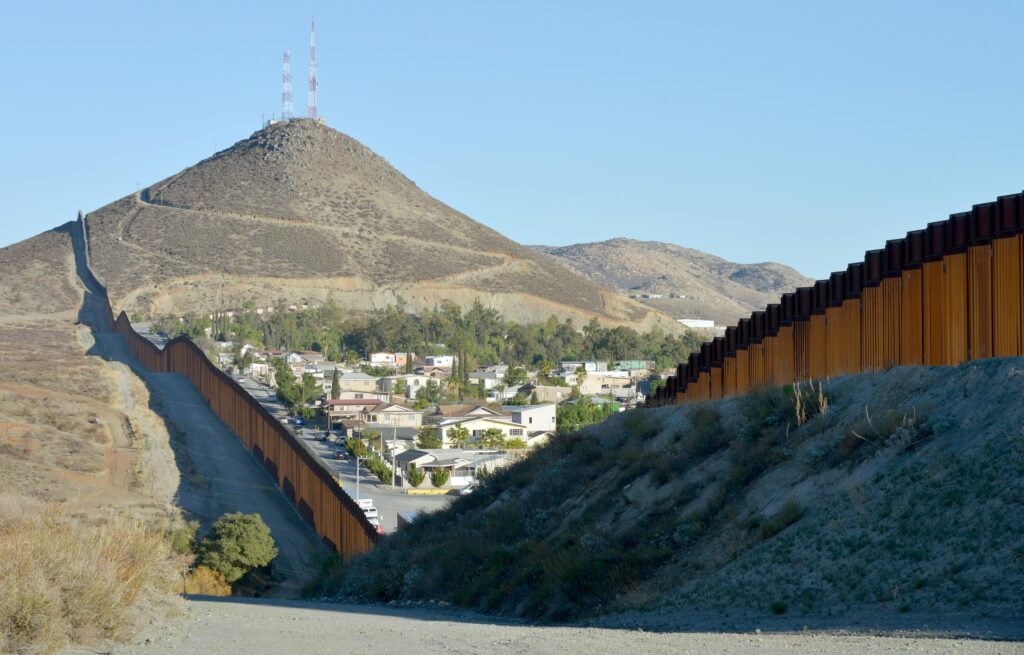
Greg Bulla, Unsplash
Illegal crossings at the southern border have fallen to their lowest levels in more than a decade. According to the Department of Homeland Security (DHS), October saw only 30,561 total migrant encounters, the lowest number ever recorded for that month.
That figure marks a 29 percent drop from the previous all-time low in 2012 and a 79 percent decrease compared to October 2024. DHS officials attribute this decline to increased enforcement measures and reduced migrant releases. In fact, for six consecutive months, no detainees have been released into the U.S. interior pending further processing, an unprecedented shift in recent policy.
In a post by U.S. Immigration and Customs Enforcement on X, the agency reaffirmed its commitment to “sustained enforcement operations” and emphasized how consistency has produced measurable deterrence. That message, clear rules, visible enforcement, and zero tolerance, has become the defining tone of border management this year. Together, these trends suggest a significant turning point in the dynamics of border migration and enforcement.
Regardless of who wins the NYC Mayoral race, ICE will still be arresting and deporting criminal illegal aliens from the city.@DHSgov pic.twitter.com/yp76fI02xD
— U.S. Immigration and Customs Enforcement (@ICEgov) November 3, 2025
What’s Changing at the Border
The drop in crossings can be traced to a combination of stricter policy enforcement and shifting migrant perceptions. Agencies such as ICE and U.S. Customs and Border Protection (CBP) report that daily apprehensions on the southwest border now average fewer than 260 per day. CBP Commissioner Rodney Scott described the approach as “simple: Secure the border and safeguard this nation.”
A visible part of that change comes from communication. Social media posts by ICE and CBP are reinforcing deterrence through transparency, showing that unlawful crossings carry real consequences. When migrants see that policies are enforced, fewer attempt to cross. One user on X, @j_fishback, commented that the sharp decline appears to mirror how would-be crossers perceive their odds of success.
For too long, the Republican talking point has been: “we don’t like illegal immigration—but we want legal immigration.”
Here’s the truth: mass migration, legal or illegal, hurts us. It steals jobs, housing, and benefits from Americans. We need a complete immigration moratorium. pic.twitter.com/tKSyMi9f6Z
— James Fishback (@j_fishback) November 5, 2025
Policy reforms have also been pivotal. The current administration has implemented tighter asylum and parole criteria, curbing automatic releases. President Trump recently reaffirmed that “no illegal migrants were released into the U.S. during the last six months,” a claim confirmed by DHS data. While it’s too early to call the shift permanent, the combined effects of policy, enforcement, and perception have clearly reshaped the border landscape.
Implications and Questions Going Forward
If the decline continues, the implications will be far-reaching. Fewer daily apprehensions ease pressure on detention facilities, reduce processing backlogs, and allow agents to focus on high-risk individuals and criminal activity. The “zero releases” narrative also sends a powerful message abroad that illegal entry no longer results in catch-and-release leniency.
However, deeper questions remain. Are migrants now seeking alternative routes or shifting to legal pathways such as asylum applications? Could the sharp decline signal not a full solution but a temporary deterrence that might fade if enforcement wavers? Those questions will define whether this is a short-term success or a long-term transformation.
Legal and humanitarian challenges are also surfacing. Even with reduced crossings, the U.S. must ensure due-process protections for legitimate asylum seekers while maintaining firm border security. That balance between deterrence and compassion remains one of the most difficult aspects of immigration policy.
The role of visibility, both through government announcements and social media updates, cannot be overstated. Posts from ICE and others serve as real-time evidence that deterrence is working. When migrants believe the risks outweigh the rewards, the incentive to cross diminishes dramatically.
For border communities, the shift offers a mix of relief and uncertainty. Reduced crossings mean less strain on local resources, but they also raise questions about the long-term economic and social impact if migration patterns continue to shift. What happens to towns built around cross-border labor, and how do humanitarian groups adjust their missions?
For policymakers, the decline offers both validation and warning. It validates that consistent enforcement can produce results, but it also warns that success is fragile. Economic instability, cartel networks, and global migration pressures could quickly reverse gains if vigilance lapses.
Ultimately, the downward trend marks a new phase in America’s border policy, one defined by stricter enforcement, clearer messaging, and reduced leniency. Whether that momentum can be maintained without compromising the nation’s values of fairness and refuge will determine how the United States balances security and compassion in the years ahead.
Contacting your representatives should be easy, but there are myriad ways they can ignore your messages. That’s where we come in.
Yes, Million Voices helps you with voter guides. Yes, we send letters from YOU directly to your elected officials because it’s the only way to guarantee they’ll listen to you. Yes, we publish data, articles, text messages, and help bridge the gap between education and civic action. But what do you want? Tell us today.
We want to make YOU the hero of our American story by giving you the tools you need to make a difference, from your local, state, all the way up to the federal level.
Join us in our mission to advocate for religious freedom, support fair and secure elections, and uphold the values that this great nation was built upon. Tell us what you want from the next four years, and we will fight to make it a reality … again!
Share on these platforms:
Million Voices is a movement that gives voters and potential voters the foundation they need to confidently act from a biblical worldview.