
Iran’s $24B Demand: Key to Progress in U.S. Deal
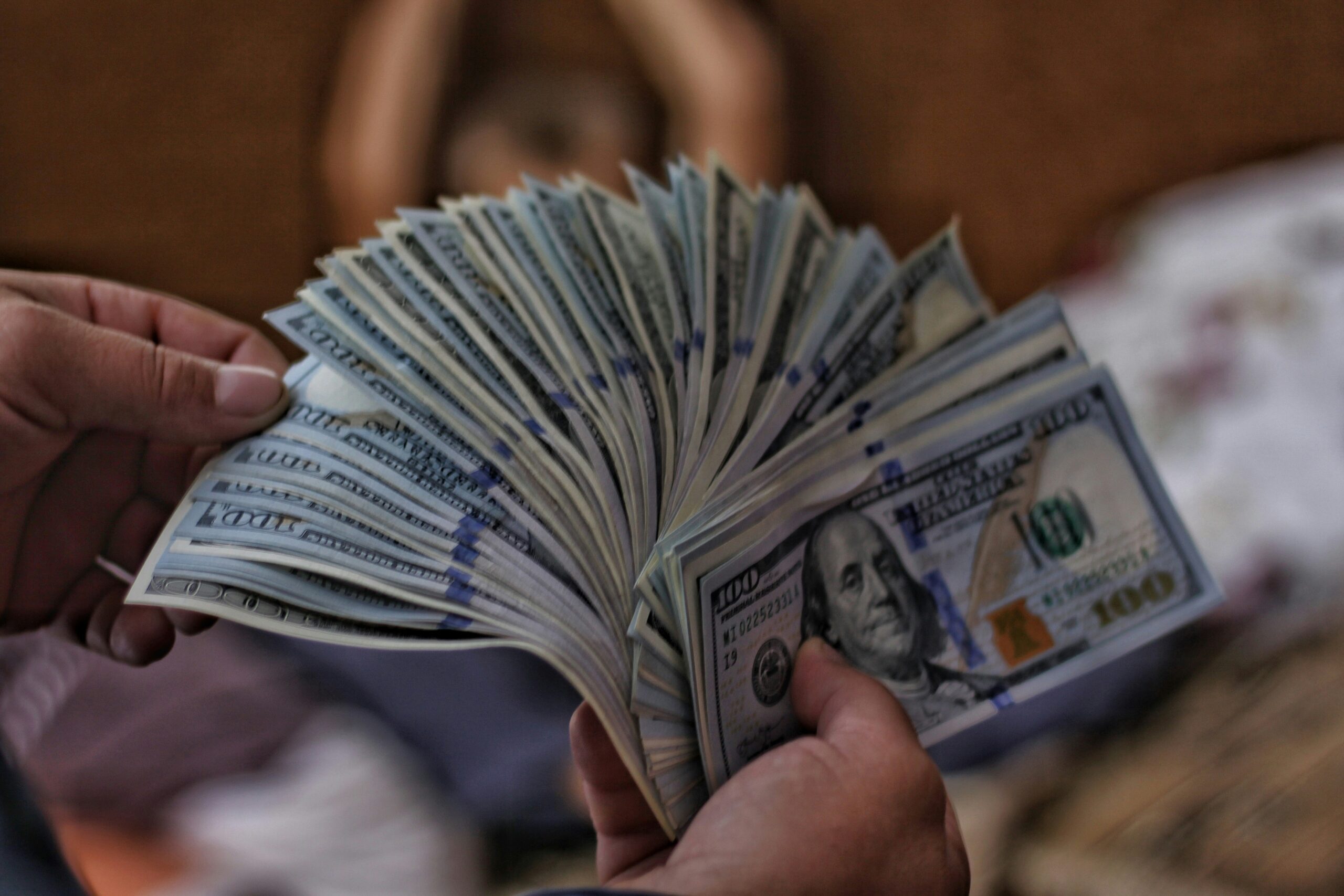
Viacheslav Bublyk, Unsplash
Iran is pushing for the release of approximately $24 billion in frozen assets held overseas as part of ongoing negotiations with the United States. The demand is a key condition in a proposed framework agreement that both sides are working to finalize amid a broader conflict that has kept tensions high since early 2026.
According to Iran’s semi-official, the $24 billion figure is tied to a 14-point memorandum of understanding being negotiated between Tehran and Washington. An unnamed source close to Iran’s negotiating team confirmed the demand, saying the funds must be released as part of any final deal.
Iran is not asking for all $24 billion at once. Instead, Tehran wants roughly $12 billion released in the first phase, immediately after a deal is announced, with the remaining $12 billion to follow within 60 days of signing the agreement.
Iran’s top negotiator and parliament speaker, Mohammad Bagher Ghalibaf, traveled to Qatar on Monday to work out the details of how the first tranche of funds would be accessed. Tasnim reported that his visit was aimed at “reaching an understanding” on the mechanism for implementing Iran’s financial demands and ensuring smooth access to the money.
A source familiar with the Doha talks told Reuters that discussions in Qatar also covered the Strait of Hormuz and Iran’s stockpile of highly enriched uranium. Iran’s central bank governor attended the meetings separately to address the financial side of the proposed deal.
Background on Iran’s Frozen Assets
Iran holds a significant amount of frozen assets abroad due to years of international sanctions. There is no single confirmed figure for the total amount, but Iranian media estimates suggest the total could range between $100 billion and $123 billion.
A previous arrangement in 2023 saw roughly $6 billion in Iranian funds transferred from South Korea to Qatar as part of a deal tied to the release of detained American citizens. However, those funds were frozen again after tensions escalated following the Hamas attack on Israel on October 7, 2023, which sparked the Gaza war.
The current conflict between the U.S. and Iran began on February 28, 2026, following joint U.S.-Israeli strikes on Tehran. Since then, only a few dozen vessels have been passing through the Strait of Hormuz each day, compared to the 125 to 140 that typically transit the waterway daily. The sharp drop in traffic has contributed to rising oil prices and increased costs for fuel, fertilizer, and food worldwide.
Rubio Says Deal Could Take Days
U.S. Secretary of State Marco Rubio said on Monday that reaching a deal with Iran could “take a few days,” signaling that negotiations are ongoing but not yet complete. Rubio made the remarks while speaking to reporters during a visit to India, where he also addressed the ongoing situation in the Strait of Hormuz.
“The straits have to be open; they’re going to be open one way or the other, so they need to be open,” Rubio said. He described the discussions as covering two main areas: reopening the strait and a “very real, significant, time-limited negotiation on the nuclear matter.”
Rubio also said the U.S. would give diplomacy every chance to succeed before considering other options. A ceasefire between the U.S. and Iran has been in place since early April 2026, but U.S. Central Command confirmed it carried out fresh strikes on Monday against targets it described as threats posed by Iranian forces, including boats attempting to lay mines and missile launch sites.
Iran’s Conditions and the Nuclear Question
Iranian Foreign Ministry spokesperson Esmaeil Baghaei stated earlier that nuclear issues would only be negotiated after a framework accord was agreed upon. He also addressed concerns about the Strait of Hormuz, saying Iran would not charge tolls for ships to pass through but noted there would be costs for services such as navigation and environmental protection under a protocol to be arranged with Oman.
Japan’s Nikkei newspaper, citing a Middle East diplomatic source, reported that the U.S. and Iran are discussing a plan to reopen the strait approximately 30 days after reaching a deal to end hostilities. That timeline has not been confirmed by either government.
President Donald Trump posted on Truth Social on Monday, saying that talks with Iran were going “nicely” but warning that fresh attacks would follow if they failed. “It will only be a Great Deal for all, or no Deal at all,” Trump wrote.
Israeli Prime Minister Benjamin Netanyahu also weighed in on Monday, saying Israel would intensify strikes against Iran-backed Hezbollah in Lebanon. Israel’s military confirmed shortly after that it was attacking Hezbollah infrastructure in Lebanon’s eastern Bekaa Valley and other areas. Israel and Lebanon agreed to a ceasefire in mid-April 2026, but Israel has continued airstrikes it describes as acts of self-defense.
Iran said on Monday it had shot down a “hostile” stealth drone using a new air defense system, though no details were provided about the drone’s origin. The announcement came as the broader negotiations in Doha continued, with multiple senior Iranian officials present, including Foreign Minister Abbas Araghchi and Central Bank Governor Abdolnaser Hemmati.
Engaging in our political process should be clear, meaningful, and effective—but too often, people feel overlooked or unsure how to make an impact. That’s where we come in.
Million Voices equips citizens with tools that inform, inspire, and activate. Through our MVP Program, we help get voter resources into the hands of people who don’t typically vote—encouraging greater participation where it matters most.
We also offer devotions and opportunities for prayer, connecting faith with action. Through our Write Now Campaign, volunteers send letters to low-propensity voters in key areas, helping inspire them to engage and make their voices heard.
Ready to take the next step? Learn more or sign up to get involved: https://millionvoices.org/volunteer/
You can also be notified when Candidate Fact Sheets become available in areas you care about: https://millionvoices.org/cfs-notify/
Share on these platforms:
Million Voices is a movement that gives voters and potential voters the foundation they need to confidently act from a biblical worldview.