
Israel-Iran Clash Threatens Fragile Ceasefire
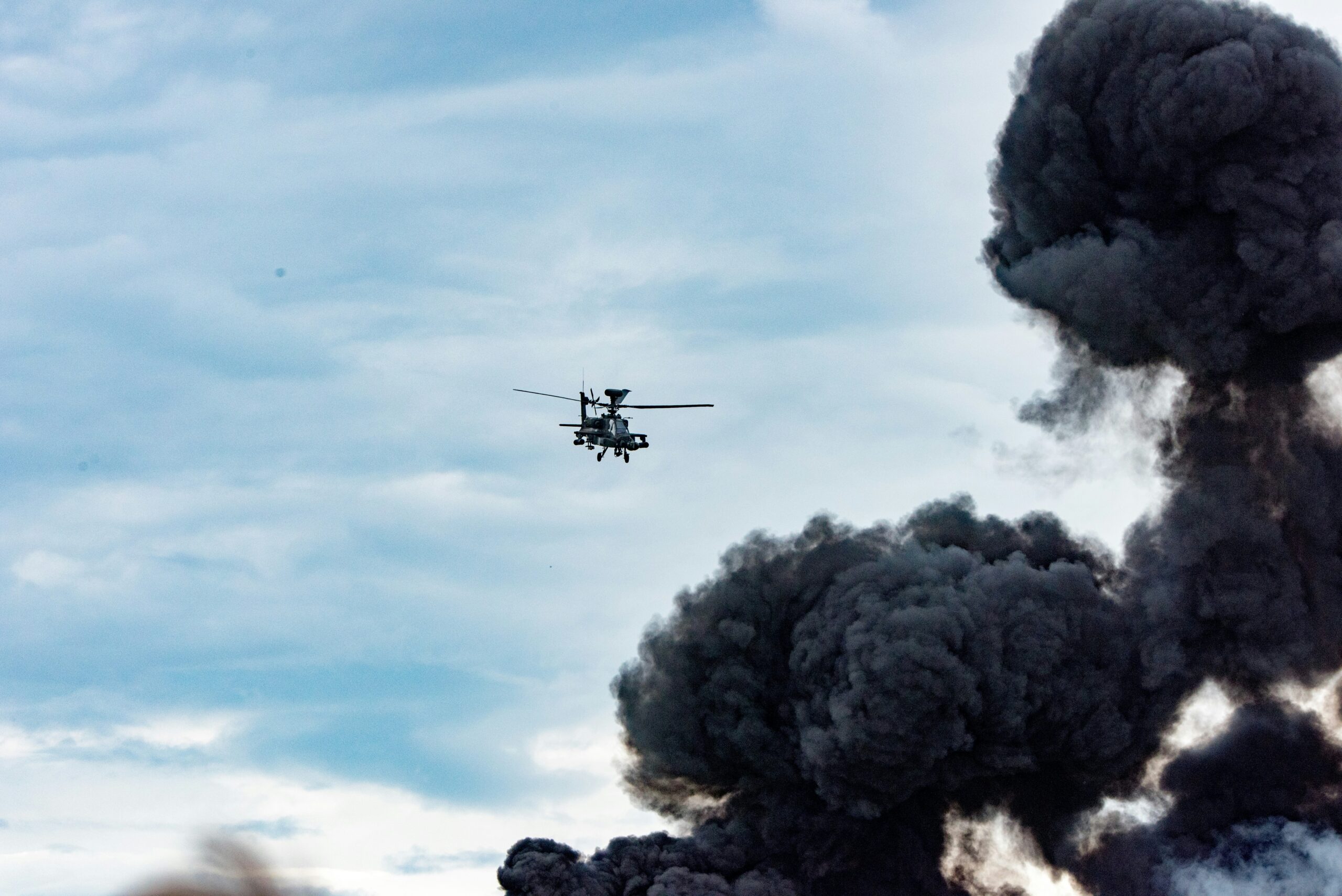
Daniel Klein, Unsplash
Sirens blared early Monday across central Israel, including Tel Aviv and Jerusalem. Iran and its ally, the Houthis in Yemen, fired a barrage of ballistic missiles toward the country.
People rushed to shelters as air defenses worked to knock the incoming fire out of the sky. The sudden alarms marked one of the most dangerous moments in the Israel Iran conflict in months.
Israel said it answered the Iran missile attack on Israel with strikes of its own inside Iran. In just a few hours, a tense calm gave way to open fighting once again.
How the Fighting Started Again
This was the first exchange of fire since a U.S.-brokered ceasefire took hold two months earlier. The truce, agreed in April, had paused a war that began with U.S. and Israeli strikes on Iran in late February.
The fighting is deeply connected across the region. Hezbollah kept firing missiles and drones from southern Lebanon into northern Israel, which prompted Israel to strike Hezbollah’s stronghold in Beirut.
Tehran then claimed it was justified in firing on Israel directly. When Israel struck back inside Iran, Iran fired again, and the cycle quickly escalated.
Missiles Reach Homes and Hospitals
The danger was not limited to military sites. As The Jerusalem Post reported, a direct hit from an Iranian missile damaged four houses in a West Bank town on Monday morning.
No injuries were reported there, according to the local regional council. “The incident ended in a great miracle,” said Samaria Regional Council head Yossi Dagan, “but it illustrates the urgent need to strengthen protection in the communities.”
Hospitals also braced for the worst. Following guidance from the Health Ministry and the IDF’s Home Front Command, medical centers in Tel Aviv, Nahariya, and Poriya shifted operations underground and into protected spaces.
Israel said its strikes on Iran came in response to the Iranian missile fire. The IDF reported a large-scale strike on Iran’s strategic air defense systems.
“A short while ago, the Iranian terrorist regime launched missiles toward the territory of the State of Israel. We were prepared for this,” said IDF Spokesperson Brig. Gen. Effie Defrin. He added that air defense systems were deployed throughout the country.
Iranian state television reported explosions in cities including Isfahan, Karaj, Tabriz, and Tehran. Iran’s Revolutionary Guard said it had targeted military bases in Israel as part of an operation it called “Victory.”
A Region on the Edge
The renewed Israel retaliatory strikes raised fears that the wider Middle East war could fully erupt again. With Iran and Israel firing at each other and the Houthi missile attack adding fuel, the risk looked higher than at any point since the ceasefire.
The Houthis warned they would again target Israel-affiliated ships in the Red Sea. That threat puts a vital shipping route in danger and could drive global fuel prices even higher.
During the truce, Iran kept its grip on the Strait of Hormuz, a key passage for the world’s oil and gas. The conflict has already shaken the global economy and made basics like food more expensive.
Trump Calls for Calm
President Trump pressed both sides to halt the fighting. In his first comments after the exchange, he wrote online: “Israel and Iran must immediately stop ‘shooting.'”
He reportedly spoke by phone with Israeli Prime Minister Benjamin Netanyahu, asking him not to respond to the Iranian attack. As CBN News reported, Trump also urged Tehran to return to the table, saying, “You’ve shot your missiles, that’s enough. Get back to the table and make a deal.”
Trump made clear he still wants a Trump Iran deal. “The attacks on Israel have not changed my desire to complete the negotiations with Iran,” he said.
Diplomats Scramble to Save the Ceasefire
Behind the scenes, officials worked to keep the ceasefire from collapsing. As the AP reported, diplomats from Egypt, Saudi Arabia, Turkey, Pakistan, and Qatar pushed both sides to pull back.
They urged the Trump administration to press Israel to rein in its strikes, while also asking Iran to stop attacking Israel. Iran, for its part, blamed the United States for the escalation.
Tensions between Trump and Netanyahu have grown more visible. Netanyahu appeared to defy Trump with his strikes in Beirut and Iran, while Trump voiced frustration with the Israeli leader.
The regional escalation leaves families, leaders, and markets on edge. Both sides have shown they can strike hard and fast, and a single misstep could reignite a full war.
For now, the world watches to see whether diplomacy can hold. The choice ahead is stark: return to the table and pursue peace, or risk dragging the entire region back into conflict.
Engaging in our political process should be clear, meaningful, and effective—but too often, people feel overlooked or unsure how to make an impact. That’s where we come in.
Million Voices equips citizens with tools that inform, inspire, and activate. Through our MVP Program, we help get voter resources into the hands of people who don’t typically vote—encouraging greater participation where it matters most.
We also offer devotions and opportunities for prayer, connecting faith with action. Through our Write Now Campaign, volunteers send letters to low-propensity voters in key areas, helping inspire them to engage and make their voices heard.
Ready to take the next step? Learn more or sign up to get involved: https://millionvoices.org/volunteer/
You can also be notified when Candidate Fact Sheets become available in areas you care about: https://millionvoices.org/cfs-notify/
Share on these platforms:
Million Voices is a movement that gives voters and potential voters the foundation they need to confidently act from a biblical worldview.