
Israel Warns U.S. of Potential Iranian Missile Threat
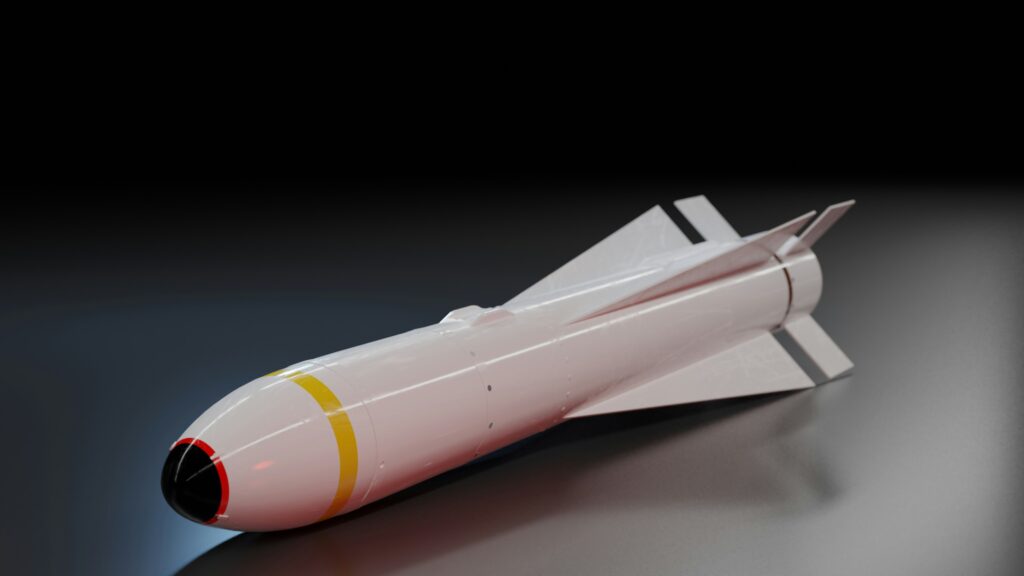
Oo Jiflip, Unsplash
Tensions are rising in the Middle East as Israel has issued a strong warning to the United States. Israeli officials believe that recent missile exercises by Iran’s Islamic Revolutionary Guard Corps (IRGC) could be a cover for a surprise attack. This concern comes as both nations continue to watch each other’s military movements closely.
The warning was delivered from the highest levels of the Israel Defense Forces (IDF) to their American counterparts. IDF Chief of Staff, Lt.-Gen. Eyal Zamir, personally contacted the head of U.S. Central Command, Adm. Brad Cooper, to share Israel’s concerns. This direct communication highlights the seriousness with which Israel is treating the situation.
According to reports, Israeli intelligence has been tracking Iranian force movements. While there is no definitive proof of an imminent attack, Israel’s tolerance for risk has significantly decreased following past conflicts. An Israeli source stated that while the chances of an Iranian attack are seen as less than 50%, the risk is too great to be dismissed as just an exercise.
This is not the first time Israel has raised such alarms. Six weeks ago, similar concerns were voiced after identifying movements of Iranian missiles, though no attack occurred. The current situation, however, is being treated with renewed urgency, prompting close coordination between Israeli and U.S. forces to prepare for any defensive actions that might be needed. The primary fear is a war sparked by a miscalculation, where one side launches a preventive strike, believing the other is about to attack.
A Region on High Alert
The background for this latest warning is a history of conflict and mistrust. Following a 12-day war in June, Iran’s missile capabilities were significantly reduced. Before the war, Iran was estimated to have around 3,000 missiles and 400 launchers, but those numbers were cut to approximately 1,500 missiles and 200 launchers.
In recent months, however, Iran has been working to rebuild its arsenal. Intelligence reports indicate a renewed buildup of its missile forces, with more motivation than seen since the June war. While the current pace of rebuilding may not demand immediate military action, officials believe it could become a more urgent problem in the coming months.
Public statements from leaders in the region reflect the tense atmosphere. IDF Chief of Staff Lt.-Gen. Eyal Zamir warned that the IDF will strike its enemies “wherever required, on near and distant fronts alike,” a comment seen as a clear reference to Iran.
He stressed that Iran has financed and armed a “ring of strangulation around Israel” and stands behind plots for its destruction. For its part, Iran’s Foreign Minister Abbas Araghchi claimed that his country is “fully prepared” for another round of fighting and has rebuilt strategic facilities damaged in the war.
The international community is also watching closely. U.S. Senator Lindsey Graham noted that Iran’s missile capabilities pose as grave a threat as its nuclear program. The concerns are not limited to state actors. Mossad Director David Barnea has warned that jihadist groups like ISIS are also determined to target Jewish people worldwide, adding another layer of complexity to the security situation.
Diplomatic and Strategic Maneuvers
In response to the growing threat, diplomatic efforts are underway. Israeli Prime Minister Benjamin Netanyahu is expected to meet with U.S. President Donald Trump to discuss Iran’s rebuilding efforts. The agenda will likely include plans for a potential new strike against Iran in 2026 if its missile production continues unchecked.
Sources indicate that Israel is concerned Iran could increase its ballistic missile production to 3,000 per year if it is not stopped. This fear is a major driver behind the calls for a stronger stance against Tehran’s military ambitions. The goal of the upcoming discussions is to align U.S. and Israeli strategies to counter the threat effectively.
Adm. Brad Cooper of U.S. Central Command met with Lt.-Gen. Zamir and other top IDF officials in Tel Aviv to discuss the situation. During the meeting, Zamir urged close coordination on defensive preparations. While the IDF and CENTCOM have declined to comment on the specifics of their discussions, the high-level meeting underscores the shared concern over regional stability.
The world watches as Israel and Iran engage in a tense standoff. The current missile drills have put the entire region on high alert, with the potential for a misstep to lead to a wider conflict. As leaders from both sides issue bold statements, the need for careful diplomacy and clear communication has never been more critical to prevent another devastating war.
Contacting your representatives should be easy, but there are myriad ways they can ignore your messages. That’s where we come in.
Yes, Million Voices helps you with voter guides. Yes, we send letters from YOU directly to your elected officials because it’s the only way to guarantee they’ll listen to you. Yes, we publish data, articles, text messages, and help bridge the gap between education and civic action. But what do you want? Tell us today.
We want to make YOU the hero of our American story by giving you the tools you need to make a difference, from your local, state, all the way up to the federal level.
Join us in our mission to advocate for religious freedom, support fair and secure elections, and uphold the values that this great nation was built upon. Tell us what you want from the next four years, and we will fight to make it a reality … again!
Share on these platforms:
Million Voices is a movement that gives voters and potential voters the foundation they need to confidently act from a biblical worldview.