
Justices Limit Gun Law for Marijuana Users
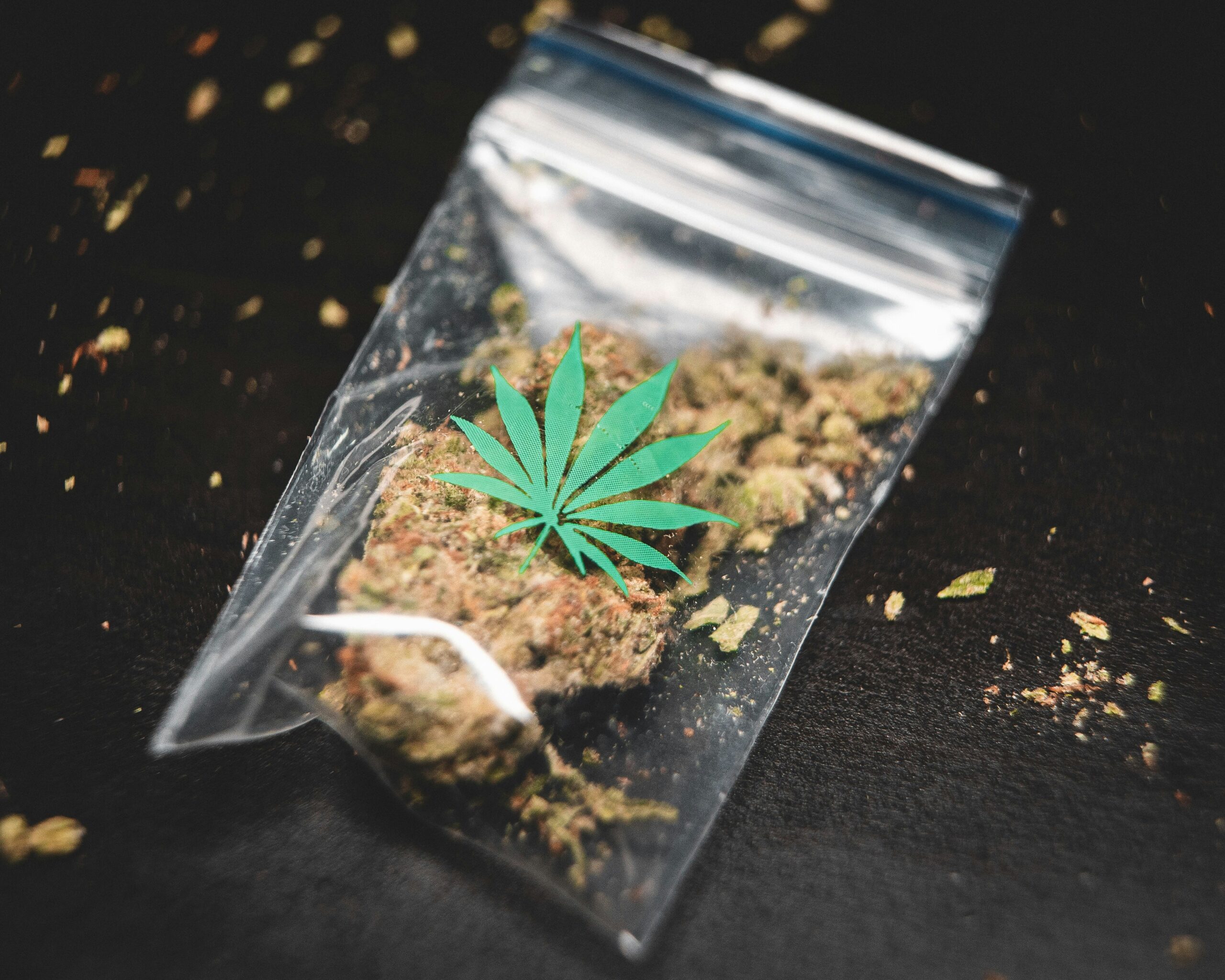
GRAS GRÜN, Unsplash
The Supreme Court ruled unanimously last week that a federal gun ban cannot be used to prosecute a Texas marijuana user. The decision in United States v. Hemani marks a major moment for Second Amendment rights.
Justice Neil Gorsuch wrote the opinion for the court. He found that the law, as applied to Ali Danial Hemani, violated his right to keep and bear arms.
The case centered on a 1968 federal law known as the Gun Control Act. That law makes it a crime for any “unlawful user of or addicted to any controlled substance” to possess a firearm.
How the Case Began
The case started in 2022, when FBI agents searched Hemani’s home. They found a Glock 19 9mm pistol, 60 grams of marijuana, and cocaine.
Hemani told authorities he used marijuana about every other day. He was not charged with any other crime, and he was not accused of using the gun while intoxicated.
Based on his admission, Hemani was indicted under 18 U.S.C. § 922. A knowing violation of the federal gun ban is a felony that can carry up to 15 years in prison.
Hemani asked the trial court to throw out the charge. He argued that the marijuana gun law violated his Second Amendment rights, at least as it applied to him.
A federal judge agreed and dismissed the charge. The 5th U.S. Circuit Court of Appeals upheld that ruling, and the government then asked the Supreme Court to step in.
What the Court Decided
The justices ruled 9-0 in Hemani’s favor. Gorsuch wrote that the government sought to “automatically strip” Hemani of his rights and imprison him based only on regular drug use.
The court rejected the government’s main historical argument. To restrict gun rights, the government pointed to old laws that targeted “habitual drunkards.”
Gorsuch found that comparison did not hold up. He wrote that those early laws “targeted different kinds of people, did so for different reasons, and operated in different ways.”
He also noted that a “habitual drunkard” was someone often so impaired they could not manage their affairs. A person who uses marijuana every other day, he said, does not fit that mold. The court stressed that the Supreme Court gun ruling was a narrow one. The justices did not strike down the entire law.
“We do not address efforts to ban addicts, or those presently intoxicated, from possessing a firearm,” Gorsuch wrote. The court also did not rule on bans for felons or people shown to be dangerous.
Gorsuch pointed to shifting marijuana policy in the United States. He noted that more than half of states now allow some marijuana use, and the federal government has moved to reclassify the drug as less dangerous.
“Whatever one thinks of these developments, the federal government has not just tolerated them; it helped fuel them,” Gorsuch wrote. He said this left the government “awkwardly positioned” to call millions of marijuana users dangerous.
The Hunter Biden Connection
The same law was used to prosecute Hunter Biden. A Delaware jury convicted him in 2024 of buying a gun while addicted to crack cocaine in 2018. Hunter Biden was later pardoned by his father, then-President Joe Biden. The Hunter Biden gun charges drew national attention to the federal statute.
President Donald Trump’s administration had defended the law before the court. Midway through the case, the administration softened its stance, though it still urged the justices to uphold the restriction for habitual drug users.
Recreational marijuana use remains illegal under federal law. That is true even after the Trump administration reclassified medical marijuana as a less-dangerous drug in April.
All nine justices agreed on the outcome, but several wrote separately. Justice Clarence Thomas filed a concurrence arguing Congress lacked power to regulate guns based on past interstate movement.
Justice Ketanji Brown Jackson, joined by Justice Sonia Sotomayor, wrote that the court’s 2022 historical test is “unworkable.” She said it leaves judges drawing different conclusions from the same evidence.
Justice Samuel Alito, joined by Justice Elena Kagan, agreed with the result but not all of the reasoning. Alito wrote that the government failed to show Hemani resembled the “habitual drunkards” of historical law.
An Unusual Alliance
The case united groups that rarely agree. The American Civil Liberties Union and the National Rifle Association both supported Hemani. Cannabis legalization groups such as NORML also backed his case. On the other side stood gun safety groups like Everytown.
ACLU legal director Cecillia Wang praised the decision. She said the court “sent a strong message that the government cannot criminalize the conduct of large numbers of people.”
The ruling leaves key questions open. The government may still try to disarm addicts or people who are actively intoxicated while holding a gun.
The Supreme Court is expected to rule soon on another Second Amendment case. That case involves a Hawaii law limiting where gun owners can carry firearms on private property.
For now, the decision in United States v. Hemani stands as a clear limit on the marijuana gun law. It confirms that regular drug use alone is not enough to strip away a person’s Second Amendment rights.
Engaging in our political process should be clear, meaningful, and effective—but too often, people feel overlooked or unsure how to make an impact. That’s where we come in.
Million Voices equips citizens with tools that inform, inspire, and activate. Through our MVP Program, we help get voter resources into the hands of people who don’t typically vote—encouraging greater participation where it matters most.
We also offer devotions and opportunities for prayer, connecting faith with action. Through our Write Now Campaign, volunteers send letters to low-propensity voters in key areas, helping inspire them to engage and make their voices heard.
Ready to take the next step? Learn more or sign up to get involved: https://millionvoices.org/volunteer/
You can also be notified when Candidate Fact Sheets become available in areas you care about: https://millionvoices.org/cfs-notify/
Share on these platforms:
Million Voices is a movement that gives voters and potential voters the foundation they need to confidently act from a biblical worldview.