
Justices Strike Down Hawaii Concealed-Carry Law
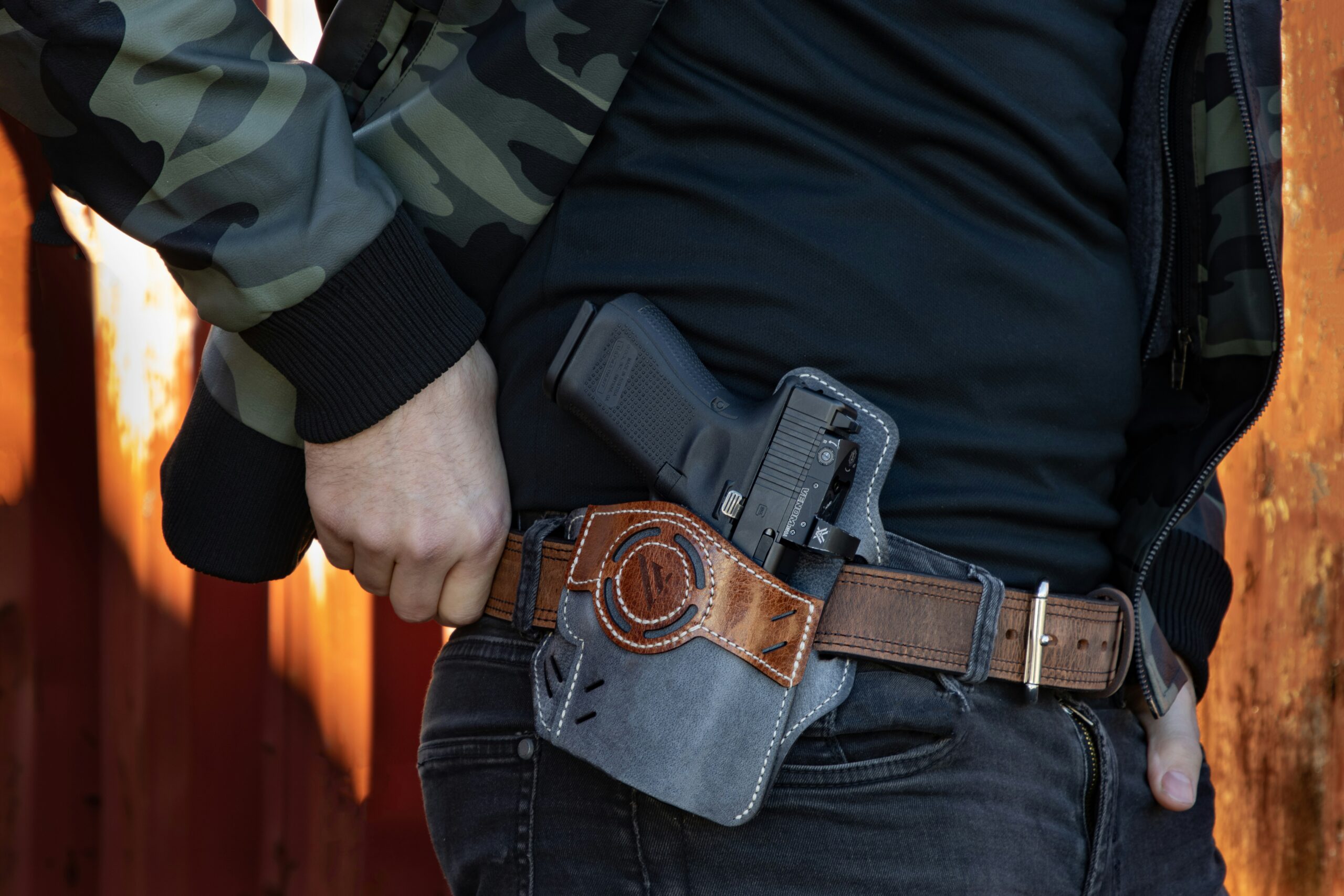
seeetz, Unsplash
The U.S. Supreme Court has handed law-abiding gun owners a major victory. On June 25, 2026, the justices struck down a Hawaii law that made it a crime to carry a firearm onto most private property open to the public. The 6-3 ruling came in a case called Wolford v. Lopez.
The decision is a clear win for the Second Amendment. It says everyday Americans should not lose their right to self-defense the moment they step out their front door. For years, a handful of states chipped away at that right. Now the highest court in the land has pushed back.
For people who believe in faith, family, and the Constitution, this is welcome news. The right to protect yourself and your loved ones is not a gift handed down by the government. It is a freedom our founders chose to write down and defend.
What the Court Decided
Hawaii passed its law in 2023. The rule said a person with a concealed-carry permit could not bring a gun onto private property open to the public unless the owner gave clear permission first. That covered gas stations, stores, restaurants, and even churches.
In other words, the gun was banned by default. A permit holder had to find a posted sign or get spoken approval before carrying. Critics nicknamed it the “vampire rule,” because the firearm could not “enter” without an invitation.
Justice Samuel Alito wrote the majority opinion. He said the law hobbled the right of Americans to carry arms for self-defense as they go about their daily lives. The rule, he explained, could turn a simple trip for gas or groceries into a crime.
The Court also rejected Hawaii’s claim that its local culture justified tighter rules. The justices said the Second Amendment cannot bow to local attitudes, not even to Hawaii’s “spirit of Aloha.” A constitutional right, they noted, carries the same meaning in every state.
The vote was 6-3. Chief Justice John Roberts and Justices Clarence Thomas, Neil Gorsuch, Brett Kavanaugh, and Amy Coney Barrett joined Alito. The three liberal justices dissented.
A Win for Self-Defense and Family
At its heart, this case asks a simple question. Can the government make it nearly impossible to carry a gun for protection while still claiming to honor the right to bear arms? The Court said no.
The National Rifle Association called the decision a 6-3 rebuke of Hawaii’s effort to sidestep earlier rulings. The state had tried to turn everyday businesses into gun-free zones by default, leaving honest citizens exposed.
This matters most for the vulnerable. Think of a single mother leaving work after dark, or a woman who fears an abusive former partner. Alito pointed to a real example of a woman threatened by an ex, who could face arrest simply for running errands while lawfully armed.
Scripture does not call God’s people to be helpless. The Bible honors those who guard their households and shield the weak. In the book of Nehemiah, the people are urged to fight for their sons, their daughters, and their homes. Defending innocent life is not the opposite of faith. It is an expression of love.
That is the deeper truth here. The right to self-defense flows from the value of human life itself. When we protect our families, we honor the God-given worth of every person in our care.
Good people can still disagree. The dissenting justices argued that the case was really about property rights, and that owners should set the rules on their own land. That concern deserves a fair and honest hearing.
But the majority answered it well. Property owners still hold full power over their land. A business can still ban guns by posting a sign or simply saying so. The ruling only changes the starting point, so honest citizens are not treated as criminals by default.
What It Means for Other States
This decision reaches far beyond Hawaii. Four other states — California, Maryland, New York, and New Jersey — passed similar rules. Those laws are now on shaky ground.
The reach of Hawaii’s rule was vast. Challengers said it covered 96 percent of all publicly accessible land in the state. That left permit holders with almost nowhere they could legally carry.
The ruling builds on a 2022 case known as Bruen. In that decision, the Court held that Americans have a right to carry handguns outside the home for self-defense. Hawaii tried to work around that ruling with its new law. The justices saw through the effort.
Hawaii even pointed to an old 1865 Louisiana law to defend its rule. But that law came from the post-Civil War Black Codes, which were used to disarm freed slaves. The Court refused to treat such a shameful relic as a guide to our freedoms.
Now other states with copycat laws are on notice. Gun-rights groups expect a wave of new lawsuits aimed at striking down similar rules. The legal ground has shifted firmly in favor of the Second Amendment.
It is worth noting what the ruling does not do. It does not force guns into private homes. It does not touch sensitive places like schools or polling sites. And it leaves property owners free to set their own rules.
Why This Matters
This is more than a legal fight over signs and permits. It is about whether our rights mean what they say.
A right that vanishes the moment you leave your house is not much of a right at all. The Court reminded the nation that the freedom to protect yourself does not stop at your front door.
President Trump’s administration backed the gun owners in this case, calling Hawaii’s rule unconstitutional. That stance fits a larger promise to defend the Constitution as it was written.
For millions of Americans who cherish faith, family, and freedom, the message is clear. The right to keep and bear arms is real, and it travels with you wherever life takes you. A nation that trusts its law-abiding citizens is a stronger and safer nation.
The debate over guns will not end with this case. But this week, the highest court in the land affirmed a basic truth. The Second Amendment protects ordinary people living ordinary lives, and it still means exactly what it says.
As believers, we are called to pray for our leaders and our nation. Pray for wisdom for those making these decisions, and for safety and dignity for all people affected by them.
That’s where we come in.
Prayer is at the heart of how Million Voices connects faith with civic life. Our Prayer Guide: Pray for Our Government Officials By Name is a free resource designed to help individuals, families, and small groups lift up the men and women who serve in public office—across every level of government and regardless of party.
Rooted in the scriptural call to pray “for kings and all those in authority” (1 Timothy 2:1–2), the guide offers a thoughtful framework for interceding on behalf of our leaders: for wisdom in their decisions, integrity in their conduct, protection for them and their families, and a heart for serving the common good.
Whether you’re looking to deepen your personal prayer life or to gather others in praying for our nation, this guide is a meaningful place to start. Download it here: https://millionvoices.org/mv-prayer-guide-pray-for-government-officials/
We also offer an opportunity to connect faith with action. Through our Write Now Campaign, volunteers send letters to low-propensity voters in key areas, helping inspire them to engage and make their voices heard.
Ready to take the next step? Learn more or sign up to get involved: https://millionvoices.org/volunteer/
You can also be notified when Candidate Fact Sheets become available in areas you care about: https://millionvoices.org/cfs-notify/
Share on these platforms:
Million Voices is a movement that gives voters and potential voters the foundation they need to confidently act from a biblical worldview.