
Maine Judge Says Mom Can’t Teach Her Daughter the Bible
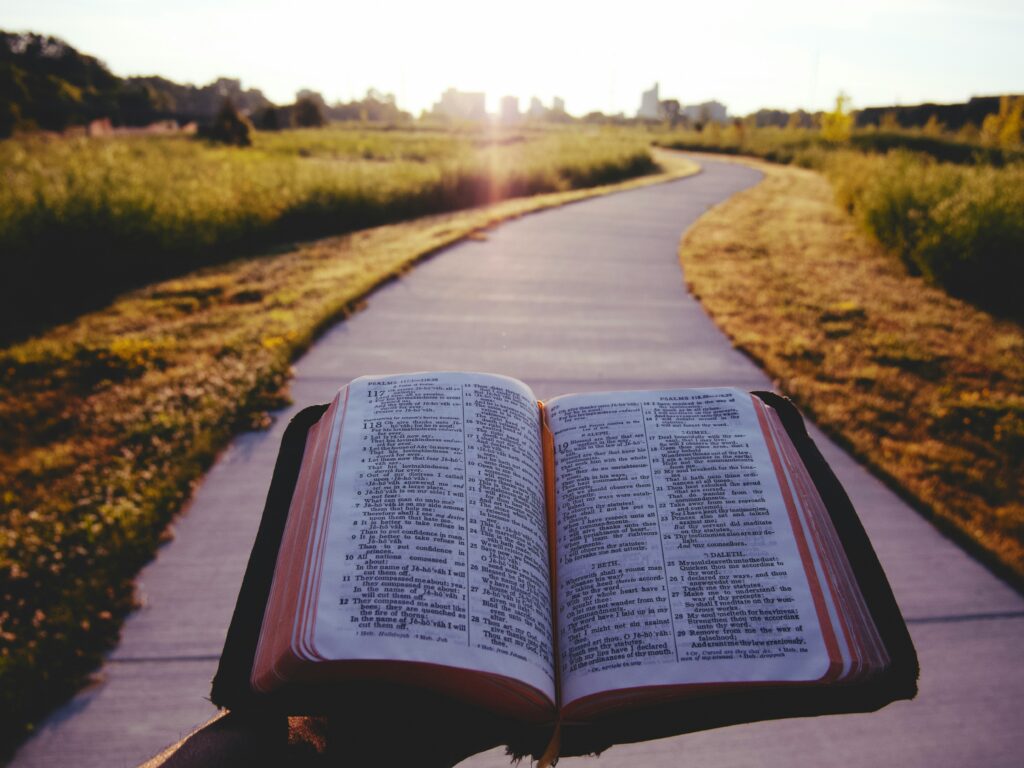
Aaron Burden, Unsplash
A custody battle in Maine has sparked national concern after a district court judge issued an order forbidding a mother, Emily Bickford, from taking her daughter to church or even reading the Bible with her. According to reporting from CBN News, the order prohibits Bickford from bringing her daughter to Calvary Chapel Westbrook and blocks her from exposing the 12-year-old to any Christian teaching. This includes not only church services, but personal Bible reading, religious conversations, or attending Christian events such as weddings, funerals, or youth gatherings.
The case is now under review by the Maine Supreme Judicial Court, but until the justices rule, the restrictions remain in place. What makes this case extraordinary is its scope: Bickford’s ability to share her faith, privately or publicly, is effectively suspended. According to Liberty Counsel, which is representing her, the trial court issued these limitations not because of abuse or neglect, but because the father and judge believed certain Christian teachings were “harmful” to the child. This raises a critical question: can the government decide that Bible teaching itself is a danger?
When the State Decides Faith Is “Harmful”
The events leading up to this ruling centered on disagreements between the parents over religious upbringing. The father, Matthew Bradeen, argued that teachings about spiritual warfare, sin, and eternal judgment caused their daughter anxiety and fear. The judge agreed with him, granting Bradeen sole decision-making authority over religion. As Newsweek reported, the court accepted claims that the church’s doctrine was psychologically harmful, despite no finding that Bickford was abusive, negligent, or coercive.
This is where the case becomes alarming. The judge’s order did not simply direct the parents to avoid conflict. It imposed a total ban on the child’s exposure to Christian teaching while with her mother. The language of the ruling is so broad that Bickford is barred from reading Scripture out loud, praying with her child, or even discussing biblical values privately in her own home. According to filings cited by CBN News, the order even prevents the daughter from hanging out with Christian friends if those friendships are tied to church.
This case isn’t about a child’s safety. It’s about a court determining that ordinary Christian doctrine, teachings shared by hundreds of millions of believers worldwide, is harmful enough to justify state intervention.
If a judge can prohibit a mother from reading the Bible because someone claims it causes emotional distress, what stops the state from declaring any religious teaching harmful? That’s a door America cannot afford to open.
A Case That Tests the Limits of Religious Liberty
Courts traditionally defer to parents on matters of religious upbringing unless there is evidence of extreme harm or danger. Yet Bickford’s legal team argues that the trial court skipped that standard. As Liberty Counsel notes, the district court identified no abuse, no trauma, and no misconduct, just doctrinal disagreement. Additionally, the father’s concerns were based on feelings, not on professional diagnoses or documented harm.
Many legal experts warn that this case could set a precedent where merely uncomfortable or unpopular teachings can be labeled harmful enough for a judge to intervene. If upheld, this ruling could empower courts to police religious content, not parental behavior. That crosses a constitutional line.
The Maine Supreme Judicial Court recently heard oral arguments, as reported by WMTW 8 News. Justices asked whether a judge can override a fit parent’s right to share her faith simply because another parent disagrees with the religion or finds parts of it upsetting. The father’s attorneys maintained that the daughter had shown fear when exposed to the church’s teaching. Bickford’s attorneys countered that the daughter’s emotions had been heightened by the contentious custody battle itself, and that the court’s restrictions violated both state and federal protections for religious liberty.
This legal battle extends far beyond a single household. It raises the deeper question of whether parents still have the authority to pass on the core teachings of their faith without needing a judge’s permission.
Why Every American Parent Should Be Paying Attention
This case sends a clear warning: parental rights can erode quickly when courts begin framing religious content, not conduct, as harmful. If a biblical teaching about heaven and hell is deemed damaging, what about teachings on sin, forgiveness, morality, or gender? What about taking your child on a mission trip? What about fasting, prayer, or communion?
Banning Scripture in the home of a law-abiding parent is not a narrow order. It’s a constitutional alarm bell.
Many parents may assume such a ruling would never happen to them, but the logic behind the Maine order could be applied broadly. What if another judge decides that Islamic teachings about modesty are harmful? Or that Jewish dietary restrictions cause psychological stress? Or that a secular parent’s refusal to allow religious instruction is harmful to a child raised in a faith community?
Once the government decides that a belief itself, not an action, is harmful, parental rights are no longer protected. They are conditional.
A Decision That Will Shape the Future
The Maine Supreme Judicial Court’s ruling will determine whether this unprecedented order stands. If the justices uphold it, the ripple effects will be felt nationwide. Fit parents could face new limits on teaching their faith. Churches could be scrutinized not for misconduct, but for doctrine. And the state could gain equal footing with parents in determining a child’s spiritual life.
If the court overturns the ruling, it will reaffirm a principle older than the nation itself: parents have the primary right and responsibility to raise their children in their faith without government interference.
Either way, this decision will become a landmark in the ongoing tension between parental rights and state oversight.
For now, one mother waits, unable to take her daughter to church, unable to pray with her before bed, unable even to open the pages of Scripture with her own child.
And that should trouble every American who believes parents, not judges, should guide the hearts of their children.
Contacting your representatives should be easy, but there are myriad ways they can ignore your messages. That’s where we come in.
Yes, Million Voices helps you with voter guides. Yes, we send letters from YOU directly to your elected officials because it’s the only way to guarantee they’ll listen to you. Yes, we publish data, articles, text messages, and help bridge the gap between education and civic action. But what do you want? Tell us today.
We want to make YOU the hero of our American story by giving you the tools you need to make a difference, from your local, state, all the way up to the federal level.
Join us in our mission to advocate for religious freedom, support fair and secure elections, and uphold the values that this great nation was built upon. Tell us what you want from the next four years, and we will fight to make it a reality … again!
Share on these platforms:
Million Voices is a movement that gives voters and potential voters the foundation they need to confidently act from a biblical worldview.