
Oil Flows Resume, But Hormuz Worries Stay
Rian Daud, Pexels
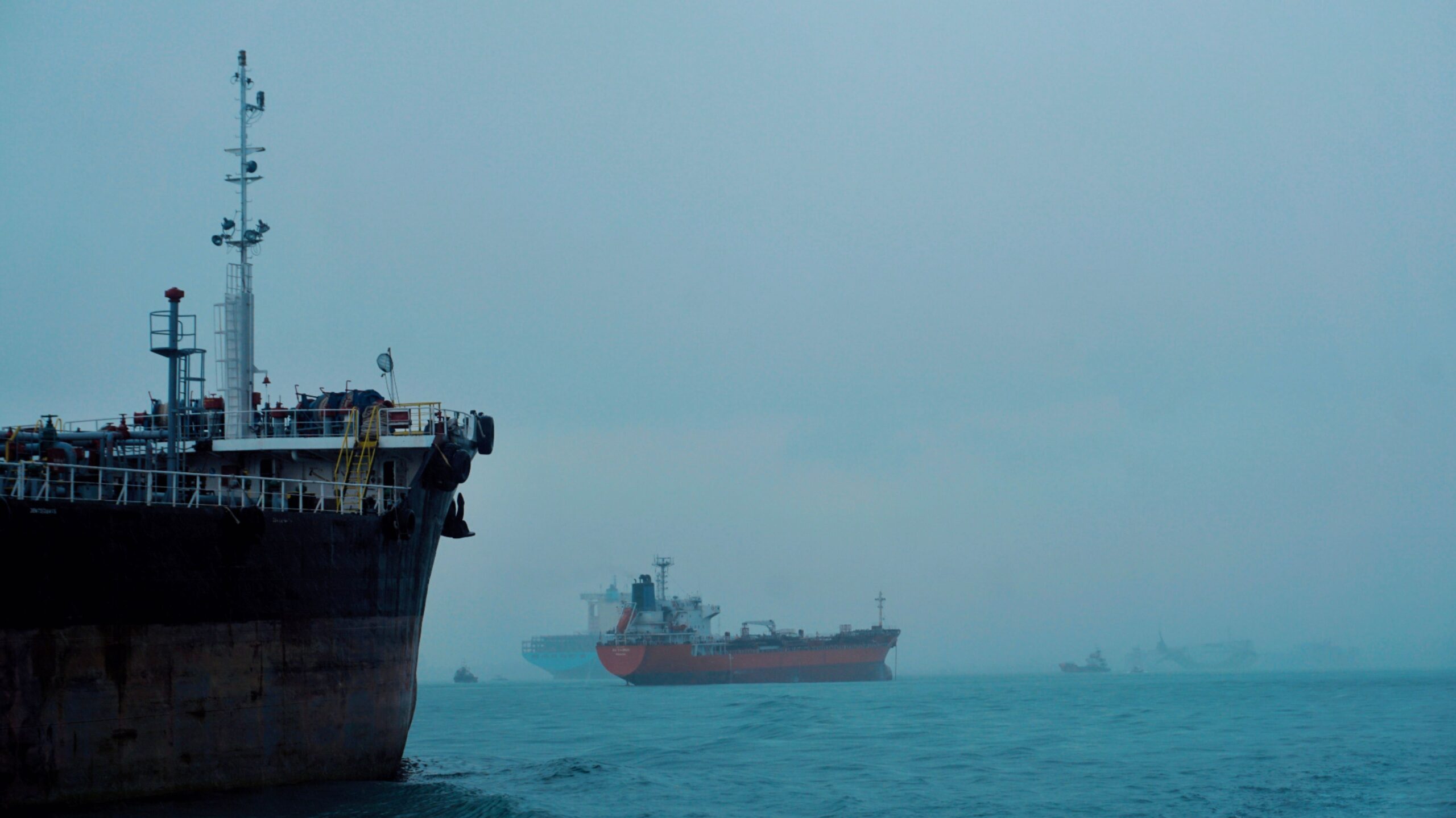
A ceasefire between Israel and Iran may have stopped the fighting, but it has not settled the question of who controls one of the world’s most critical oil lanes. Shipping companies and energy markets are still weighing whether it is safe to send vessels through the Strait of Hormuz, and the answer, for now, remains unclear.
The confusion stems from conflicting signals at every level, the terms of the ceasefire itself, the gap between what Washington and Tehran are saying publicly, what vessel tracking data actually shows, and what all of it means for fuel prices at home.
What the Ceasefire Agreement Says About the Strait
The Trump Iran deal includes a key provision for the oil chokepoint. According to The Hill, the ceasefire memorandum states that Iran will let commercial vessels cross the Strait of Hormuz without charge for 60 days while talks continue.
During this window, both sides are supposed to negotiate the future of the waterway. The goal is a longer, more stable arrangement for global oil supply.
The Treasury Department has also moved forward with the deal. It issued a temporary general license allowing certain Iranian petroleum transactions through August 21. Iran appears to have won real concessions, including oil sales relief tied to the broader agreement.
Still, Tehran has attached conditions. Iran’s Tasnim news agency reported that the strait would not fully reopen unless a separate Lebanon ceasefire holds and oil waivers are issued. That demand adds another layer of risk to an already fragile situation.
Mixed Messages from Washington and Tehran
The biggest source of confusion is the gap between official statements. The two governments are not telling the same story.
The Trump administration says traffic is recovering. U.S. Central Command reported over the weekend that commercial vessel traffic through the strait had increased and that safe passage remained intact.
Energy Secretary Chris Wright went even further on Newsmax. “The Strait of Hormuz is flowing back towards normal,” Wright said. “The world’s largest energy chokepoint has reopened.” He credited Trump’s ceasefire with calming energy markets after months of conflict.
Tehran tells a different story. Through Tasnim, Iran signaled the strait stays restricted until its conditions are met. When one side says “open” and the other says “closed,” shippers are left guessing.
That uncertainty is not just talk. It shapes whether captains risk sailing into the Iran oil corridor at all.
Shipping Traffic Drops and What the Data Shows
Numbers tell their own story, and the recent data is troubling. Vessel traffic into the strait dropped sharply over a single day.
Christopher Aversano of Wood Mackenzie told The Hill that Vesseltracker counted about 50 vessels entering the strait on Saturday the 20th. The next day, that number was cut roughly in half.
The reason remains unclear. “It is unclear whether vessels simply switched off their AIS tracking, or whether they held back due to Iran’s declaration that the strait was closed,” Aversano said.
The backlog makes things harder. According to The Guardian, nearly 600 vessels remain backed up in Gulf waters. Clearing that congestion will take time, even under the best conditions.
What Experts Are Saying About the Recovery
Analysts are far more cautious than government officials. They warn that one ceasefire does not flip a switch.
“Everything’s unpredictable,” said Patrick De Haan, head of petroleum analysis at GasBuddy. He noted that shippers may slowly regain confidence, but no one can be sure how Tehran or Washington will act in the weeks ahead.
De Haan also pointed to political pressure. “Americans and their affinity for cheap energy is kind of a driving power right now,” he told The Hill. “Imagine the pressure of seeing $5 gas and $6 diesel; that would really be the undoing of the GOP under Trump.”
Other experts echo the caution. Clay Seigle of the Center for Strategic and International Studies said ship owners will likely resume normal operations only gradually. He warned that Iran still has the power to impose new transit fees or disrupt shipping if tensions return.
Richard Meade, editor-in-chief of Lloyd’s List, said the shipping industry remains in “uncharted territory” despite the ceasefire. The message is clear: progress is real, but fragile.
Gas Prices: Where Things Stand and Where They’re Headed
For most families, the strait matters because of one thing: gas prices. The good news is that prices have eased since the worst of the conflict.
AAA data cited by The Hill showed the national average gasoline price had fallen to $3.93 per gallon. During the conflict, it had spiked as high as $4.56. U.S. benchmark West Texas Intermediate crude traded near $75 per barrel.
Oil markets remain relatively stable for now. But stability is not the same as certainty. If Iran tightens access again or the Lebanon ceasefire collapses, global oil supply could be squeezed once more.
That is why every report from the strait carries weight. The path between today’s calm and a return to higher prices is shorter than many would like.
A Long Road to Normal
The Trump-brokered ceasefire has pulled the Strait of Hormuz back from the edge. Oil is flowing, prices have dropped, and talks are underway. These are real wins worth recognizing.
Yet a true return to normal is still months away. Mixed messages, a 600-vessel backlog, and Iran’s lingering conditions all stand in the way. The world’s most important oil chokepoint remains a pressure point that could affect your wallet at any moment.
Stay informed. Watch the shipping data, follow the negotiations, and keep an eye on gas prices. What happens in this distant waterway will shape energy costs at home for months to come.
Engaging in our political process should be clear, meaningful, and effective—but too often, people feel overlooked or unsure how to make an impact. That’s where we come in.
Million Voices equips citizens with tools that inform, inspire, and activate. Through our MVP Program, we help get voter resources into the hands of people who don’t typically vote—encouraging greater participation where it matters most.
We also offer devotions and opportunities for prayer, connecting faith with action. Through our Write Now Campaign, volunteers send letters to low-propensity voters in key areas, helping inspire them to engage and make their voices heard.
Ready to take the next step? Learn more or sign up to get involved: https://millionvoices.org/volunteer/
You can also be notified when Candidate Fact Sheets become available in areas you care about: https://millionvoices.org/cfs-notify/
Share on these platforms:
Million Voices is a movement that gives voters and potential voters the foundation they need to confidently act from a biblical worldview.