
Strait of Hormuz Crisis: Global Oil Prices Surge
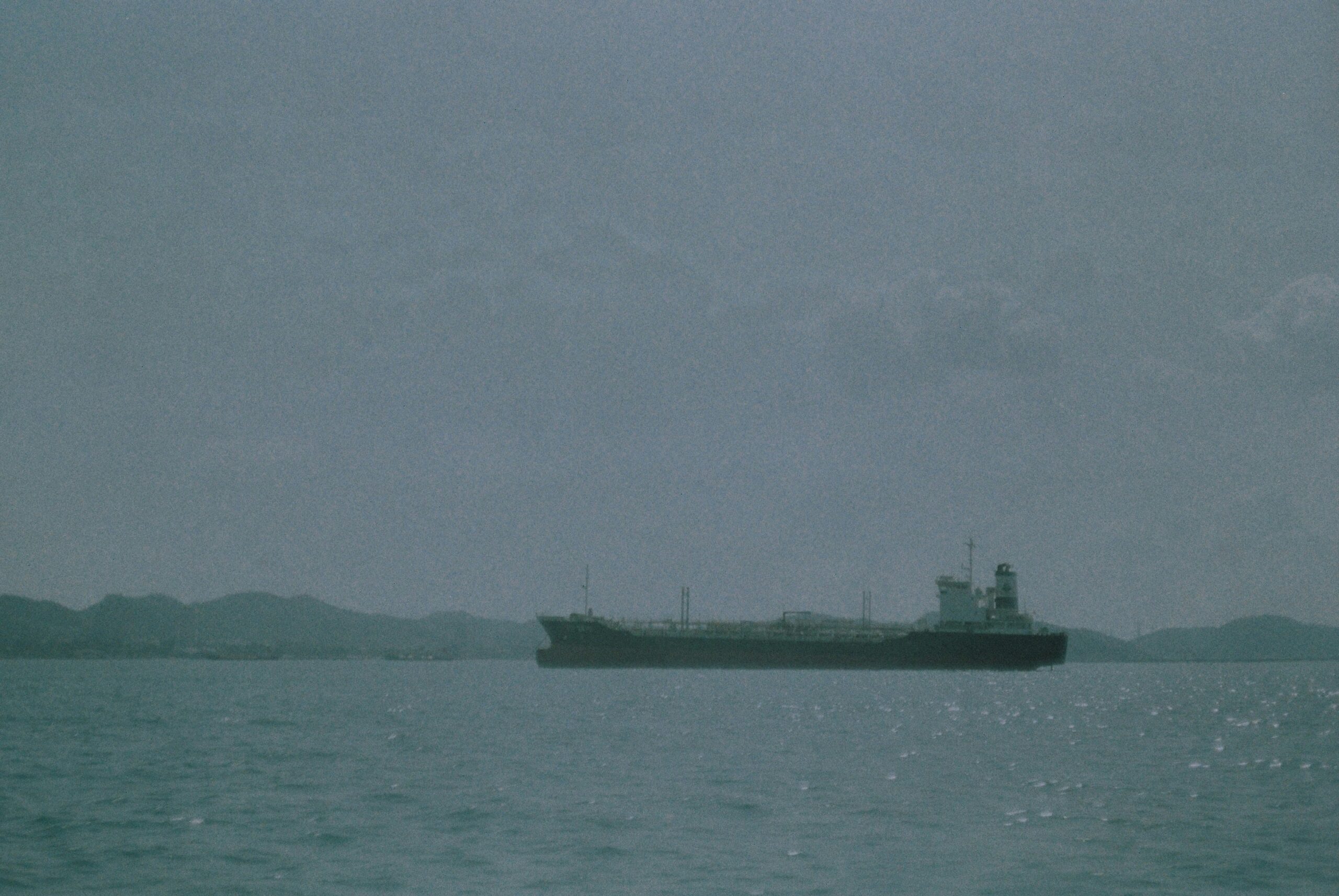
Kate Smirnova, Unsplash
Tensions between the United States and Iran have escalated following renewed attacks in the Middle East. Recent missile and drone strikes by Iran have targeted shipping lanes and energy facilities, leading to supply concerns and a surge in global oil prices. Brent crude topped $114 per barrel, the highest level in nearly four years, as disruptions in the Strait of Hormuz affected international energy markets.
Iranian drones and missiles struck shipping lanes and energy facilities in the United Arab Emirates, including areas near the UAE oil hub and vessels transiting the region. These attacks caused significant disruptions in the transit of energy shipments through the area.
The attacks have led to significant disruptions in international shipping routes and have affected the global energy supply. Vessel traffic through the Strait of Hormuz has decreased, and concerns about ongoing instability in the region have contributed to increased market volatility and rising energy prices.
The attacks have resulted in significant disruption of maritime traffic through the Strait of Hormuz, a strategic passage for global energy shipments. This waterway is a key route for the transport of oil and natural gas, and interruptions in its operation have direct effects on the global energy market and supply chain.
The escalation of conflict in the Strait of Hormuz has significant geopolitical implications. Increased military activity and instability in this region raise concerns about the security of global shipping routes, the steady movement of energy supplies, and potential impacts on international relations and energy markets. Regional tensions can influence diplomatic efforts and affect the broader balance of power in the Middle East.
Defending the Strait and Restoring Order
United States naval forces increased escort operations in the region to protect commercial vessels and maintain order in international waters.
President Donald Trump issued a warning to Tehran against further aggression, stating that any attacks on American ships would result in immediate retaliation.
The United States launched an initiative called Project Freedom to support the safe passage of neutral ships through the Strait of Hormuz. The objective of this effort is to enhance maritime security in the region and assist commercial vessels in navigating the waterway during ongoing tensions.
Reports show that the recent exchange of fire and threats between the United States and Iran has contributed to increased volatility in global financial markets. Oil prices and energy stocks have experienced significant fluctuations following renewed conflict in the Strait of Hormuz. Ongoing uncertainty about security in the region continues to influence investor confidence and global market stability.
The escalation in the region has raised concerns regarding both economic and security stability. Analysts note that ongoing disruptions in the Strait of Hormuz can impact global energy supply and trade routes, affecting international markets. Security experts highlight the importance of maritime protection and the safeguarding of energy infrastructure during periods of heightened conflict.
Staying informed about international developments and engaging with the political process allows citizens to understand how global events may impact their communities. Participation in the democratic process ensures public representation and accountability in policy decisions related to national and international security.
The Economic Impact of Shaken Supply Chains
Following the attacks, global oil prices rose above $114 per barrel, reaching their highest level in nearly four years. These price increases have contributed to higher fuel costs for consumers and added pressure to supply chains dependent on energy shipped through the Strait of Hormuz.
Rising oil prices have led to higher gasoline costs in the United States. The national average for regular gasoline has increased, resulting in greater expenses for consumers. This increase affects household budgets by raising the cost of transportation and related goods.
Disruptions in the global energy supply have caused significant supply chain challenges. Cargo ships have been forced to alter their routes to avoid areas affected by conflict, leading to longer transit times and increased shipping costs. These changes have resulted in delays and higher expenses for the transportation of goods worldwide.
The situation highlights the importance of national energy independence. Dependence on foreign energy sources can increase vulnerability to supply disruptions and global market volatility. Developing domestic energy resources is identified by analysts as a strategy to enhance economic security and reduce the impact of external conflicts on national energy supply.
Economic studies indicate that reliance on foreign oil can increase exposure to global market fluctuations and supply disruptions. Domestic energy production is identified as a way to enhance national economic stability and reduce vulnerability to international conflicts or price volatility.
Analysts emphasize that economic stewardship and national security are critical factors in maintaining national resilience. Supporting policies that promote responsible economic management and secure energy infrastructure can help safeguard economic stability and strengthen the country’s ability to respond to external threats.
High fuel costs and inflation have reduced the purchasing power of consumers and increased financial strain on households, particularly among vulnerable populations. Rising transportation and goods prices are impacting communities by increasing living expenses and contributing to broader economic challenges.
Geopolitical Shifts and the Call to Pray
The escalation of tensions between Iran and the United States has significant geopolitical implications for the United States, its allies, and Israel. Instability in the Middle East increases risks to allied nations, affects regional security, and has the potential to alter existing diplomatic and strategic relationships. Events in the region can influence U.S. foreign policy and require cooperation with international partners to address emerging security challenges.
International observers and governments are monitoring the response of the United States to the ongoing crisis. The approach taken by U.S. leadership and its allies is expected to influence future diplomatic relations and the stability of the region. Actions and policies adopted during this period may shape international cooperation and security measures in response to similar conflicts.
Political engagement at both the state and national levels is identified as an important factor in shaping policy responses to international conflicts. Increased voter participation can influence policy decisions related to security, energy, and diplomatic relations during periods of heightened global tension.
Engaging in our political process should be clear, meaningful, and effective—but too often, people feel overlooked or unsure how to make an impact. That’s where we come in.
Million Voices equips citizens with tools that inform, inspire, and activate. Through our MVP Program, we help get voter resources into the hands of people who don’t typically vote—encouraging greater participation where it matters most.
We also offer devotions and opportunities for prayer, connecting faith with action. Through our Write Now Campaign, volunteers send letters to low-propensity voters in key areas, helping inspire them to engage and make their voices heard.
Ready to take the next step? Learn more or sign up to get involved: https://millionvoices.org/volunteer/
You can also be notified when Candidate Fact Sheets become available in areas you care about: https://millionvoices.org/cfs-notify/
Share on these platforms:
Million Voices is a movement that gives voters and potential voters the foundation they need to confidently act from a biblical worldview.