
Student Loan Lawsuit Targets Education Dept
Andy Feliciotti, Unsplash
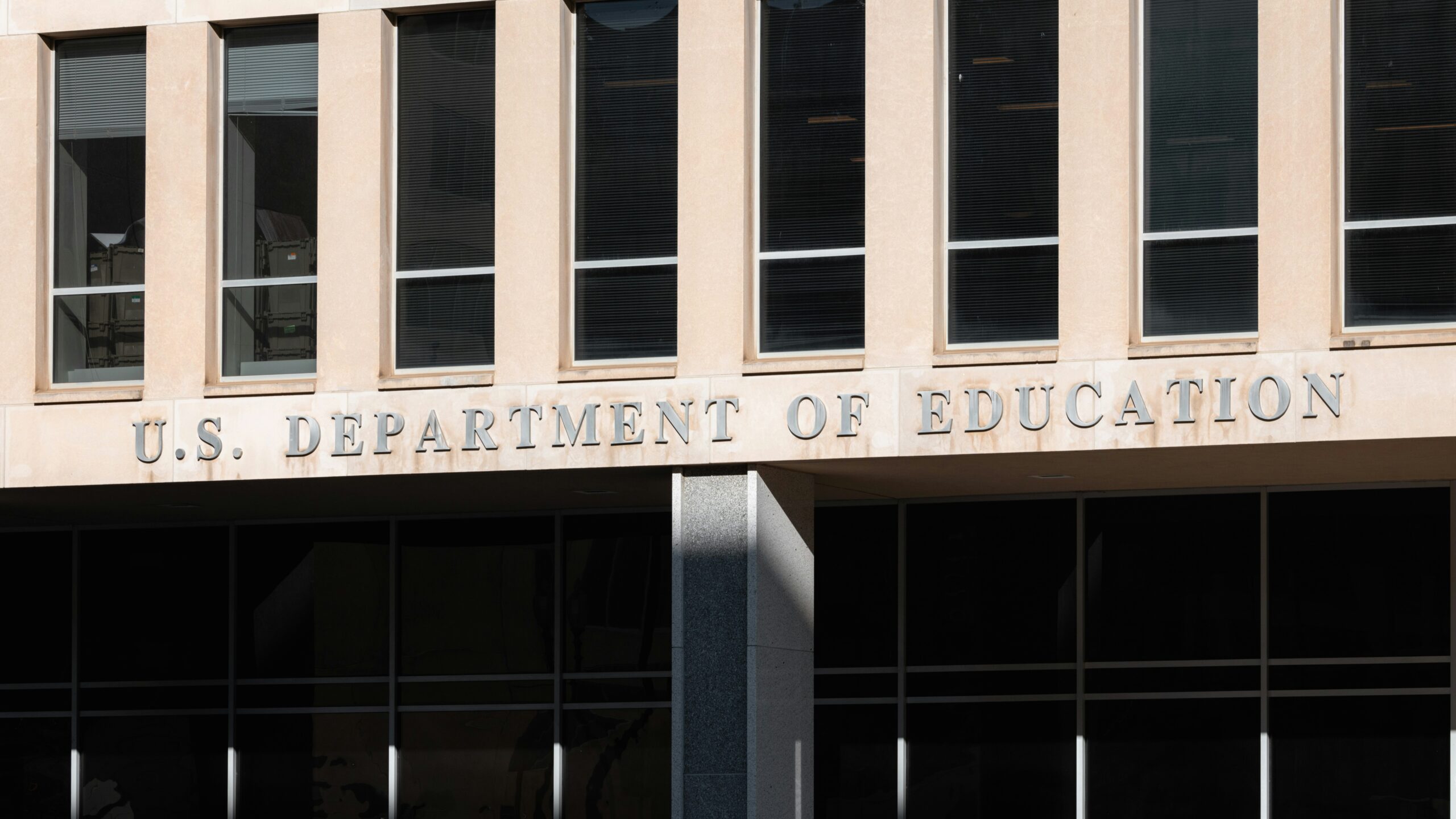
A major legal battle is unfolding right now regarding education funding. Twenty-five states and Washington, D.C., have officially filed a student loan lawsuit against the Department of Education.
This legal challenge focuses on new federal graduate loan limits. These restrictions are scheduled to take effect on July 1. State leaders are urgently demanding that the court block these rules.
The states argue that these changes will severely harm the national healthcare workforce shortage. They state that the rule will stop talented people from entering critical medical professions. Communities across the nation desperately need these healthcare providers.
The borrowing limits originate from the One Big Beautiful Bill Act. President Donald Trump signed this specific legislation into law last summer. The law created different federal student loan limits for various graduate and professional programs.
Under the original legislation, students in designated professional programs can borrow higher amounts. They can receive up to $50,000 annually and $200,000 in total. Meanwhile, students in other graduate programs face strict caps.
These other students are limited to $20,500 per year. Their total lifetime borrowing is capped at $100,000. Before these changes, graduate students could borrow up to the full cost of their attendance through federal loans.
The new rules heavily restrict who qualifies for the higher loan amounts. The Education Department published a final rule in May defining a “professional degree.” This definition includes degrees in pharmacy, dentistry, veterinary medicine, law, and theology.
However, several critical medical programs were excluded from this higher tier. Nursing, physical therapy, and social work do not qualify for the higher borrowing limits. This exclusion is the primary focus of the current legal challenge.
Graduate Loan Limits and the Healthcare Workforce Shortage
The coalition of states claims the Education Department bypassed federal law. The lawsuit states that the department unlawfully added criteria to the straightforward statutory definition. Congress outlined specific requirements for professional degrees in the original legislation.
The states argue the department ignored these clear congressional guidelines. They believe the department relied too heavily on its own historical practices. The complaint notes this is an arbitrary definition of a professional degree.
If these graduate loan limits remain, many students will face serious financial obstacles. The lawsuit states that students will be forced to seek private loans. These private loans often feature much higher interest rates.
Some private loan interest rates can exceed 18 percent. Other students might delay completing their graduate programs due to costs. Many individuals may simply abandon their advanced degrees altogether.
This financial strain directly contributes to the ongoing healthcare workforce shortage. Rural and underserved areas will feel the most severe impacts. Fewer graduates will enter these crucial medical professions each year.
New York Attorney General Letitia James is leading this legal effort. She released a statement highlighting the immense strain on the current healthcare system. She emphasized that higher education is already incredibly expensive for families.
The lawsuit was filed in federal court in Maryland. The coalition includes attorneys general from states like Colorado, Nevada, and Michigan, as detailed in a related report. Governors Andy Beshear of Kentucky and Josh Shapiro of Pennsylvania have also joined the effort.
Nursing organizations are openly criticizing these new graduate loan limits. They argue the caps will reduce the number of advanced nursing students. These advanced students are essential for training the next generation of nurses.
The Education Department received over 80,000 public comments regarding this proposal. Industry groups consistently warned that the restrictions would deter students from critical professions. Despite these warnings, the department largely kept its original framework intact.
The Government Response to the Student Loan Lawsuit
Education Secretary Linda McMahon recently defended the policy during a House committee hearing. She stated that the department’s data shows 95 percent of nursing students borrow below the annual cap. Therefore, she claims, most nursing students will not be affected by the limits.
The administration’s overall goal is to bring down the cost of college education. Officials believe that capping loans will force universities to lower their tuition rates. Education Undersecretary Nicholas Kent stated that the new rules are already incentivizing schools to reduce costs.
Kent argued that the lawsuit shows state officials are prioritizing institutions’ profits over students. He criticized decades of unchecked student loan borrowing. He claims the previous system gave schools absolutely no reason to control their costs.
House lawmakers are also attempting to overturn these regulations. They are using the Congressional Review Act to challenge the new loan limits. This act allows Congress to reverse recent federal regulations with a simple majority vote.
However, this legislative effort faces very long odds. The party that currently controls both chambers of Congress previously supported the spending law. This same law originally established the framework for the current loan caps.
The Department of Education will also begin phasing out the Graduate PLUS program in July. This specific program is unsubsidized and features no annual or aggregate limits. The removal of this program adds another layer of complexity for future graduate students.
The states involved in the student loan lawsuit are standing firm in their position. They insist that direct federal loans make graduate programs more accessible. This accessibility is necessary to address their respective workforce needs.
The courts must now decide the fate of these graduate loan limits. Their ruling will directly impact the future of the healthcare workforce shortage. The nation is watching closely as this legal battle moves forward.
Engaging in our political process should be clear, meaningful, and effective—but too often, people feel overlooked or unsure how to make an impact. That’s where we come in.
Million Voices equips citizens with tools that inform, inspire, and activate. Through our MVP Program, we help get voter resources into the hands of people who don’t typically vote—encouraging greater participation where it matters most.
We also offer devotions and opportunities for prayer, connecting faith with action. Through our Write Now Campaign, volunteers send letters to low-propensity voters in key areas, helping inspire them to engage and make their voices heard.
Ready to take the next step? Learn more or sign up to get involved: https://millionvoices.org/volunteer/
You can also be notified when Candidate Fact Sheets become available in areas you care about: https://millionvoices.org/cfs-notify/
Share on these platforms:
Million Voices is a movement that gives voters and potential voters the foundation they need to confidently act from a biblical worldview.