
Terrorist Associations Rock NYC Mayor’s Race
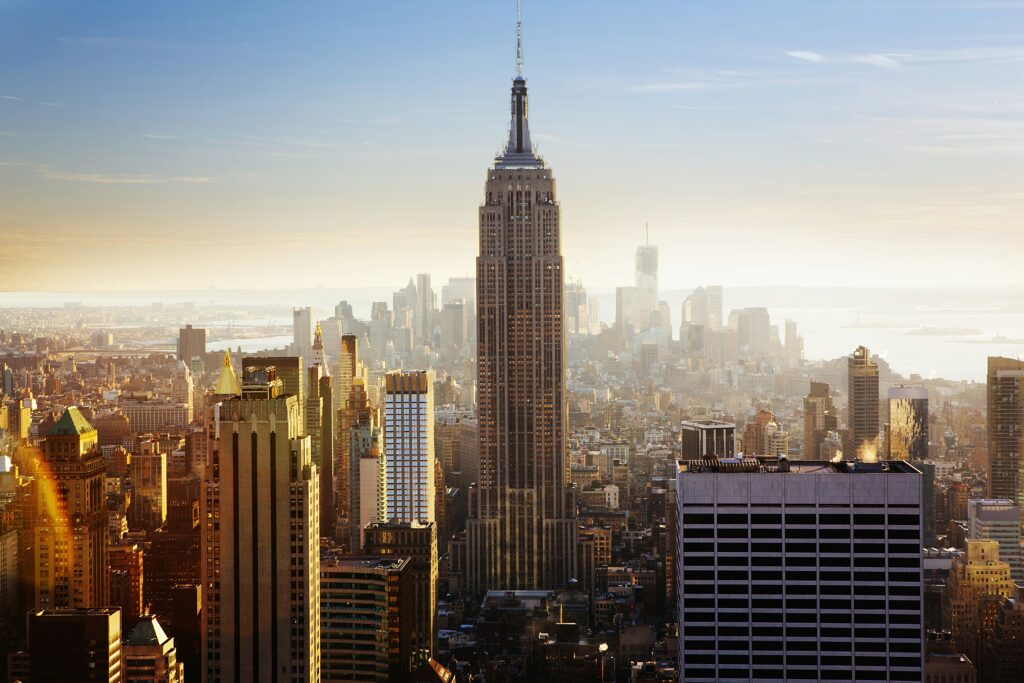
Todd Quackenbush, Unsplash
When we think of the worst terrorist attacks in U.S. history, most notably the catastrophic destruction of the September 11 attacks, it’s hard not to feel a deep sense of caution about who we allow to lead our cities. And now in New York City, voters are being asked to choose the next mayor at a time when one candidate’s associations raise questions about judgment, loyalties, and his understanding of what’s at stake.
The candidate in question is Zohran Mamdani, a progressive hopeful for NYC’s top office. While many critics focus on his left-leaning policies, a far more alarming issue has surfaced: Mamdani recently posed for a smiling photo with Siraj Wahhaj, an imam who has documented links to extremist figures connected to the 1993 World Trade Center bombing.
That photo is not simply an amusing snapshot, it signals a potential tolerance for associations with extremist ideology. And it comes not even a quarter-century after the 2001 attacks. For a city that still bears the scars of terror, this is deeply concerning.
The situation is so bad, President Trump responded to the whole ordeal.
BREAKING 🚨 President Trump just ended Zohran Mamdani’s career for smiling with a terr*rist: “It’s a disaster waiting to happen. WE CANNOT HAVE A COMMUNIST in charge of New York City”
ABSOLUTE MIC DROP 🔥 pic.twitter.com/622d1pbxR5
— MAGA Voice (@MAGAVoice) October 20, 2025
What We Know: The Photo, the Imam, the Fallout
The core of the concern is this: Mamdani attended prayers at the Masjid at-Taqwa mosque in Brooklyn and later posted a photo with Wahhaj. The imam served as a character witness for the mastermind of the 1993 bombing and has a long record of defending convicted terrorists.
Retired FBI agents who investigated the 1993 attack called Mamdani’s move “foolish.” They said the embrace of Wahhaj showed an ignorance of history and poor judgment.
Wahhaj’s résumé isn’t benign. He sponsored appearances by the “Blind Sheikh” Omar Abdel Rahman, raised legal-defense funds for El Sayyid Nosair, who assassinated Rabbi Meir Kahane in 1990, and has publicly expressed hostility toward the U.S. Constitution and way of life.
Let’s be clear: Mamdani hasn’t advocated for terrorism, nor is he accused of any crime. The alarm is about optics, judgment, and alignment. Why would someone seeking to lead America’s largest city choose to smile beside a figure with such a record?
If this were a small-town race, the optics might not matter as much. But this is New York, ground zero for 2001’s terror, and a city that must remain vigilant.
Why This Matters: A City’s Safety, Memory, and Leadership
Leadership isn’t just about policies, it’s about values, trust, and judgment. For New Yorkers who lost loved ones in 2001 or remember the terror of 9/11, choosing a mayor who appears comfortable with individuals linked to pre-9/11 terrorism is more than a headline: it’s a red flag.
Mamdani’s embrace of Wahhaj suggests a tolerance or even endorsement of radical ideology. At the very least, it shows a disregard for how serious those links are. Retired FBI agents say the candidate should know better than to court such figures.
Some moderate Muslims say his alignment sidelines them, normalizes extremist ideology, and sends the wrong message in a city that must remain alert. Moreover, the timeline is sobering. It’s been only 24 years since 9/11, and we’re still living in an era of terrorism risk.
Electing a mayor whose associations raise alarm may signal to potential extremists that compromising positions in major cities are acceptable. The memory of New York’s skyline and its people demands caution.
Guilt by association is not the only thing people are concerned with; it’s about the expectation that those who run for office understand how certain relationships impact public trust. Especially in a place like New York, with millions of lives and billions in infrastructure, safety isn’t optional.
What’s at Stake for the Future and for NYC Voters
When New Yorkers cast their ballots, they’re not only choosing someone to run city services. They’re choosing someone to safeguard the big picture: the city’s values, inclusiveness, and security.
Mamdani’s links point to a potential mayor whose compass might not align with shared values of national loyalty and civic unity. His campaign reportedly accepted a $100,000 donation from a PAC tied to the Council on American-Islamic Relations, which was designated an unindicted co-conspirator in a Hamas-funding trial.
He also included sympathetic lyrics in a rap honoring the “Holyland Five,” the convicted Hamas financiers. This isn’t just handshake politics—it’s radical ideology filtering into a major mayoral campaign.
If the mayor doesn’t take strong stands against extremist associations, what signal does that send? To extremist groups, to community members who feel vulnerable, and to everyday New Yorkers trying to trust city leadership?
Voters must ask whether this candidate truly comprehends the gravity of the 1993 attack and the 2001 terror that followed. When those who investigated say “you’ve forgotten what extremist ideology once did to New York’s skyline,” that should raise alarm bells.
Leadership choices matter. The next mayor will be a global figure in a global city. The alliances and messages sent will echo far beyond City Hall.
A Cautionary Tale for Voters
Here’s what every New Yorker should ask themselves: do I want a mayor who knowingly aligns with individuals who have defended extremist figures? Am I comfortable with a top city official whose campaign is connected to ideologically compromised groups?
Do I believe that alliances like this are simply “inclusive,” or do they pose a risk to public confidence, safety, and unity? The photo may seem harmless, but for those who remember the smoke and ash of 2001, it strikes a nerve that never fully healed.
For a city still recovering from 9/11, that symbol speaks loudly. New Yorkers deserve a mayor who understands why associations matter, who respects the memory of 9/11, and who puts safety and unity above ideology.
The question isn’t simply who will lead, but who will remember. Because forgetting what happened here once is how it happens again.
Contacting your representatives should be easy, but there are myriad ways they can ignore your messages. That’s where we come in.
Yes, Million Voices helps you with voter guides. Yes, we send letters from YOU directly to your elected officials because it’s the only way to guarantee they’ll listen to you. Yes, we publish data, articles, text messages, and help bridge the gap between education and civic action. But what do you want? Tell us today.
We want to make YOU the hero of our American story by giving you the tools you need to make a difference, from your local, state, all the way up to the federal level.
Join us in our mission to advocate for religious freedom, support fair and secure elections, and uphold the values that this great nation was built upon. Tell us what you want from the next four years, and we will fight to make it a reality … again!
Share on these platforms:
Million Voices is a movement that gives voters and potential voters the foundation they need to confidently act from a biblical worldview.