
The History and Significance of Memorial Day
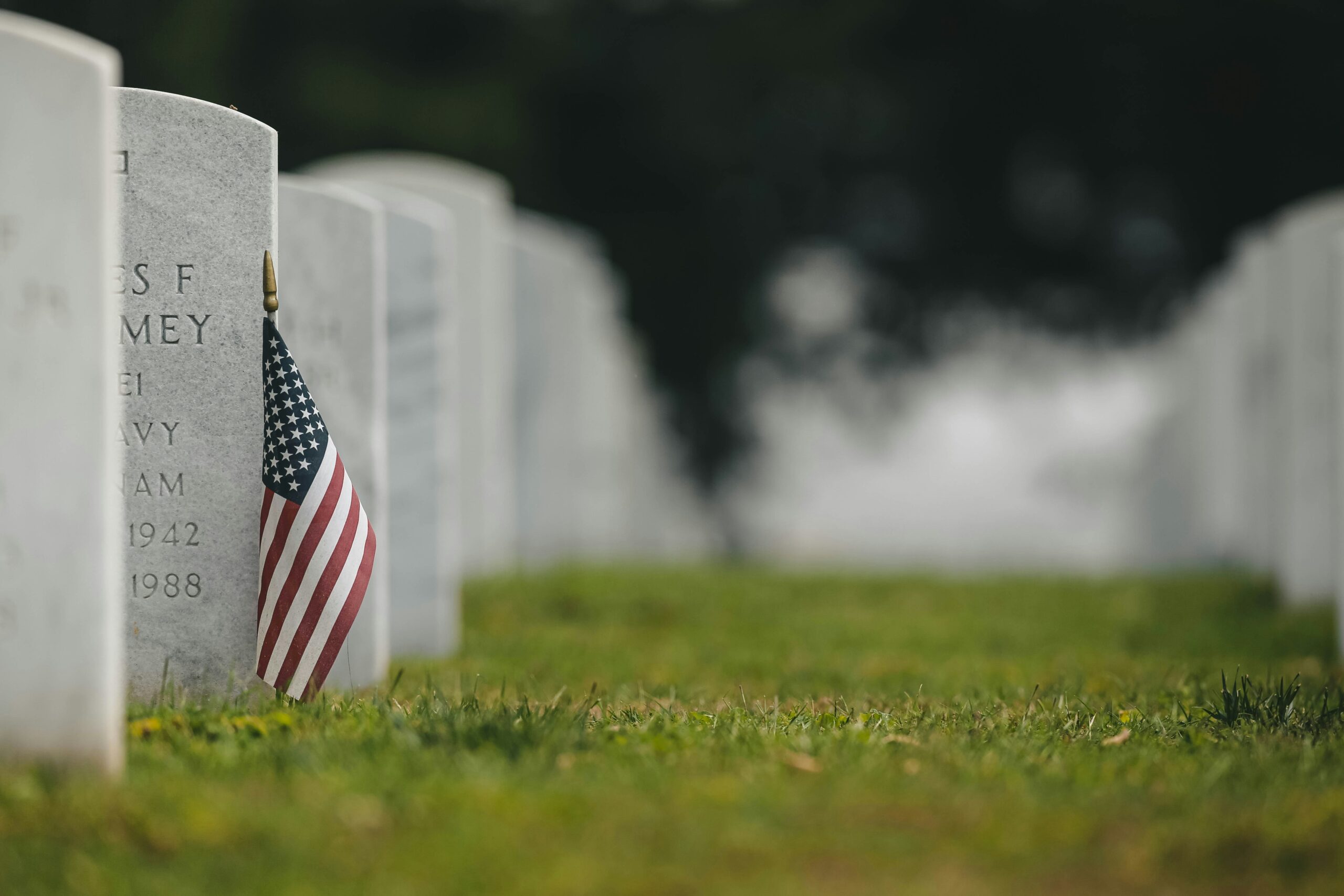
Chad Madden, Unsplash
Memorial Day is a solemn American holiday held on the last Monday of May. It honors the brave men and women who died while serving in the U.S. military. For many, it also marks the unofficial start of summer.
However, the true meaning of Memorial Day is deeply rooted in our nation’s history. It is a day to reflect on the ultimate sacrifice made by our armed forces. The active involvement of citizens is essential to upholding this important tradition.
The holiday’s origins date back to the years following the American Civil War. This conflict claimed more lives than any other war in U.S. history. As a result, the country had to establish its first national cemeteries.
In the late 1860s, Americans in various towns began holding springtime tributes. They decorated the graves of fallen soldiers with beautiful flowers and flags. This simple act of remembrance brought grieving communities together.
There is some debate over which town held the very first Memorial Day. Some records show that formerly enslaved people organized an early tribute in Charleston, South Carolina, in 1865. However, the federal government officially declared Waterloo, New York, as the birthplace of Memorial Day in 1966.
Waterloo was chosen because it hosted an annual, community-wide event starting in 1866. During this time, businesses closed, and residents focused entirely on remembering the fallen. It was a powerful display of unity and respect.
These early days set the foundation for a lasting national tradition. Remembering our history is the cornerstone of our American republic. It ensures that the sacrifices of the past are never forgotten by future generations.
The Evolution of Decoration Day
On May 5, 1868, General John A. Logan made a historic proclamation. He was the leader of a Northern Civil War veterans organization known as the Grand Army of the Republic. He called for a nationwide day of remembrance to honor fallen soldiers.
Logan officially designated May 30th as Decoration Day. He chose this specific date because it was not the anniversary of any particular Civil War battle. He wanted the day to focus entirely on mourning and honoring the dead.
On the first Decoration Day, thousands of participants gathered at Arlington National Cemetery. They decorated the graves of both Union and Confederate soldiers with springtime flowers. This act of strewing flowers became a widely respected tradition.
Northern states quickly adopted this solemn holiday, making it an official state event by 1890. Meanwhile, many Southern states continued to honor their dead on separate days. This division remained until the tragic events of World War I.
The staggering loss of life during World War I changed the holiday’s scope. Decoration Day evolved to commemorate American military personnel who died in all wars. It was no longer limited to just the Civil War casualties.
This shift helped unify the country in its collective grief and gratitude. People from all regions began to observe the day with equal reverence. The holiday gradually became known as Memorial Day across the entire nation.
After World War II, the history of Memorial Day continued to evolve. Communities organized large parades and solemn ceremonies to pay their respects. Civic engagement grew as more citizens recognized the high cost of freedom.
Honoring our military heroes became a shared national responsibility. This unity reflects the best parts of the American spirit. It reminds us that our collective voices and our actions matter.
The holiday serves as a distinctive toolset to amplify our gratitude. It allows us to pause and reflect on the true price of liberty. These moments of reflection are essential for our society.
The Modern Meaning of Memorial Day
For many decades, Memorial Day was consistently observed on May 30th. However, in 1968, Congress passed the Uniform Monday Holiday Act. This important law established Memorial Day as the last Monday in May.
The change went into effect in 1971 and created a three-day weekend for federal employees. The same law also officially declared Memorial Day a federal holiday. This allowed more families to gather and observe the day together.
Today, people across the country visit cemeteries and memorials on this special day. Many volunteers place small American flags on graves in national cemeteries. It is a powerful visual reminder of the countless lives lost in service.
In the year 2000, the U.S. government passed the National Moment of Remembrance Act. This act asks all Americans to pause for one minute at 3:00 p.m. local time on Memorial Day. This brief moment of silence is meant to honor those who have died for our country.
Millions of citizens participate in this shared moment of reflection. It is a way to ensure that our fallen service members are never forgotten. Every citizen should take this opportunity to show their respect.
On this Memorial Day, take a moment to remember and reflect on those who gave the ultimate sacrifice for the preservation of freedom.
Engaging in our political process should be clear, meaningful, and effective—but too often, people feel overlooked or unsure how to make an impact. That’s where we come in.
Million Voices equips citizens with tools that inform, inspire, and activate. Through our MVP Program, we help get voter resources into the hands of people who don’t typically vote—encouraging greater participation where it matters most.
We also offer devotions and opportunities for prayer, connecting faith with action. Through our Write Now Campaign, volunteers send letters to low-propensity voters in key areas, helping inspire them to engage and make their voices heard.
Ready to take the next step? Learn more or sign up to get involved: https://millionvoices.org/volunteer/
You can also be notified when Candidate Fact Sheets become available in areas you care about: https://millionvoices.org/cfs-notify/
Share on these platforms:
Million Voices is a movement that gives voters and potential voters the foundation they need to confidently act from a biblical worldview.