
Trump Rolls Back Obama-Era Climate Policy
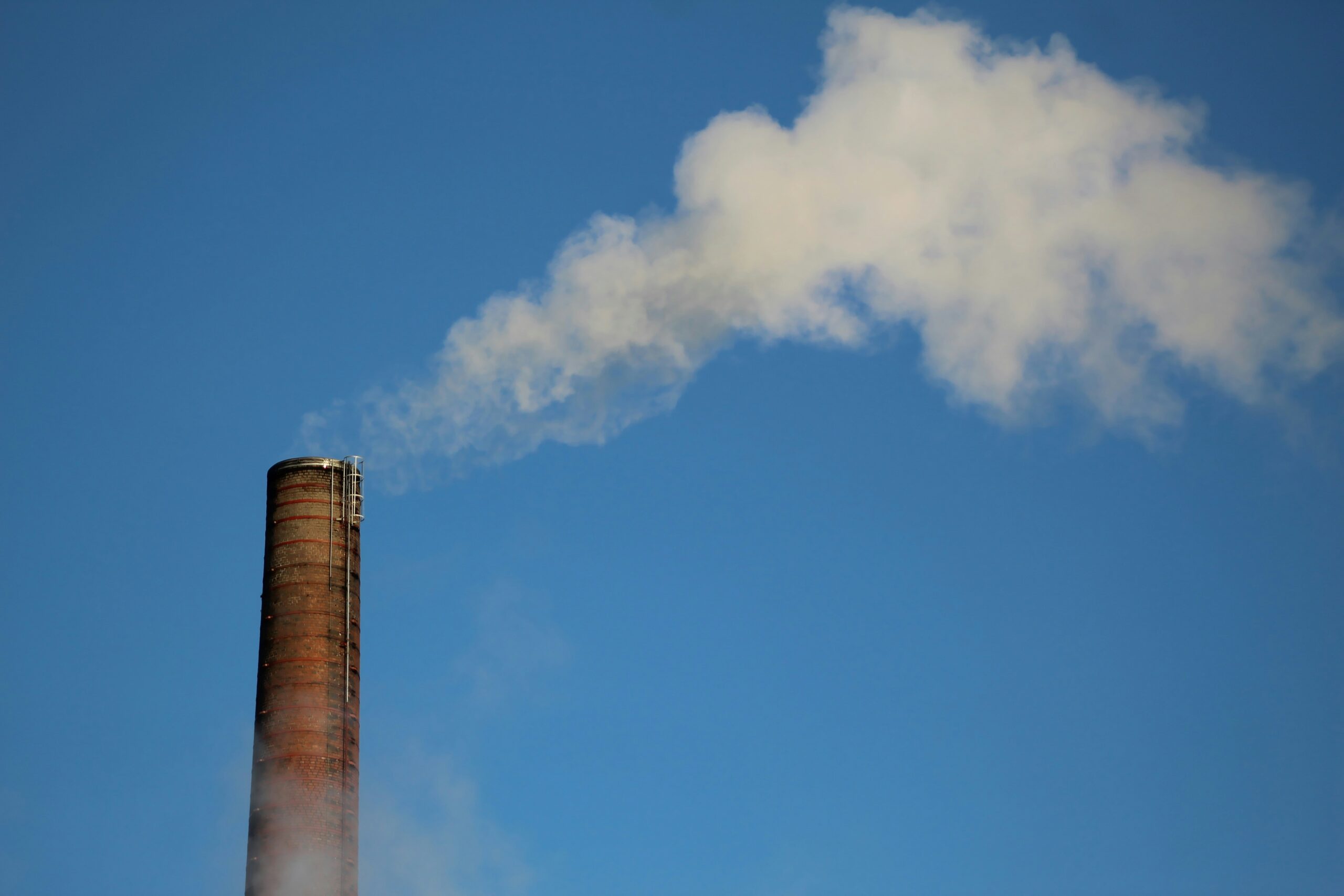
Anne Nygård, Unsplash
The Trump administration has officially announced the repeal of a major climate policy from the Obama era. This policy, known as the endangerment finding, was the legal foundation for many federal rules on greenhouse gas emissions. President Donald Trump and Environmental Protection Agency (EPA) Administrator Lee Zeldin confirmed the move on Thursday, calling it the largest climate deregulation in American history.
This decision marks a significant shift in U.S. climate policy. President Trump described the action as “the single largest deregulatory action in American history,” highlighting the administration’s belief that repealing the Obama-era rules will deliver major cost savings to American families and businesses. For a detailed breakdown on how this climate regulation repeal impacts the nation.
The original endangerment finding was established in 2009. It declared that greenhouse gases, like carbon dioxide and methane, posed a threat to public health and welfare. To understand the roots and arguments about this pivotal EPA policy.
As a result, a series of regulations was created, impacting everything from vehicles to power plants. This decision to reverse the endangerment finding marks a pivotal moment in U.S. climate regulation policy, as the administration aims to eliminate what it calls burdensome government oversight and deliver on its promise to reduce regulations and boost economic growth.
The primary goal of this repeal is to lower auto industry costs for consumers and manufacturers. Officials project that this climate regulation rollback will save Americans trillions of dollars. They argue that the previous regulations unnecessarily drove up the prices of new cars and trucks, impacting everyday families.
According to the EPA, the average cost of a new light-duty vehicle could decrease by over $2,400, as the administration terminates green emission standards for vehicle models from 2012 to 2027 and beyond. President Trump specifically criticized features like the start-stop function in cars, which he called “hated” and unnecessary.
By removing these requirements, the administration aims to restore consumer choice and lower auto industry costs. The goal is to allow Americans to buy safe and affordable cars for their families.
A New Direction for American Energy
This move signals a bold shift in energy policy, with the administration emphasizing American energy independence and abundance. Interior Secretary Doug Burgum stated that “more energy drives human flourishing.” By focusing on expanding energy development instead of increasing climate regulations, leaders argue that the nation will experience economic growth and job creation.
The repeal of the endangerment finding is a foundational step in the Trump administration’s climate deregulation strategy, setting the stage for major changes in federal environmental policy. While the immediate effects are on vehicle emissions, the move signals that regulations affecting power plants and other sectors could soon follow.
The administration believes that the previous climate policies were based on a flawed premise. EPA Administrator Lee Zeldin called the endangerment finding the “holy grail of federal regulatory overreach,” stating that the new deregulatory effort was like driving a dagger into the heart of the climate change movement.
As part of the announcement, President Trump will direct the Department of War to purchase electricity from coal-powered plants, a move designed to support traditional American energy jobs. The Washington Coal Club is also set to honor Trump as the “Undisputed Champion of Coal,” recognizing his consistent support for American industry.
This action is closely tied to President Trump’s longstanding stance on climate regulations. He has consistently questioned the economic impact of global warming policies, emphasizing his commitment to prioritizing American prosperity.
Legal and Public Responses
The decision to repeal the endangerment finding sparked immediate climate policy controversy, with major environmental groups promising to challenge the new rule in court. They argue that the administration is ignoring scientific evidence and Supreme Court precedent, a concern highlighted in this analysis of Trump’s EPA climate regulation rollback.
The Sierra Club pointed to the 2007 Supreme Court case Massachusetts v. EPA, a landmark decision confirming that the Clean Air Act covers greenhouse gas pollution. Opponents argue that the administration is attempting to bypass this critical climate policy legal precedent on weak grounds.
These groups warn that reversing the endangerment finding will increase greenhouse gas pollution, leading to more severe storms, floods, and higher insurance costs for American families. Fred Krupp, president of the Environmental Defense Fund, claimed the administration’s controversial EPA deregulation move will result in “higher costs and real harms for American families.”
Legal experts also note that this climate regulation repeal could create significant uncertainties for both businesses and the courts, particularly regarding potential “public nuisance” lawsuits against industries. The shift traces back to the Supreme Court’s climate ruling, which previously established EPA authority over greenhouse gas regulation, but this major policy change could reopen the door for further legal battles.
Despite these concerns, the administration is pressing ahead with the climate regulation repeal, which top officials say is crucial for America’s economic future.
This historic decision reshapes the landscape of environmental law in the United States. It emphasizes a vision of economic stewardship that prioritizes growth and freedom from what is seen as excessive government control. For many, this is a welcome step toward a more prosperous future, while for others, it raises serious questions about our responsibility to steward creation for future generations.
Contacting your representatives should be easy, but there are myriad ways they can ignore your messages. That’s where we come in.
Yes, Million Voices helps you with voter guides. Yes, we send letters from YOU directly to your elected officials because it’s the only way to guarantee they’ll listen to you. Yes, we publish data, articles, text messages, and help bridge the gap between education and civic action. But what do you want? Tell us today.
We want to make YOU the hero of our American story by giving you the tools you need to make a difference, from your local, state, all the way up to the federal level.
Join us in our mission to advocate for religious freedom, support fair and secure elections, and uphold the values that this great nation was built upon. Tell us what you want from the next four years, and we will fight to make it a reality … again!
Share on these platforms:
Million Voices is a movement that gives voters and potential voters the foundation they need to confidently act from a biblical worldview.