
Trump Team Unveils Iran Deal Terms
Tuğba, Pexels
The Trump administration released the full text of its 14-point US-Iran deal on Wednesday, June 17, 2026. A senior US official read the memorandum to reporters on a call, three days after the document was signed electronically on June 14.
The release ended days of speculation about what the Iran MOU actually contained. The agreement lays out a path toward a final Iran nuclear agreement, though many key details still need to be worked out.
President Donald Trump, Vice President JD Vance, and Iranian Parliamentary Speaker Mohammad Bagher Ghalibaf signed the deal digitally on Sunday. A formal signing ceremony is planned for Friday, with talks on a final deal to follow soon after.
What the MOU Says on Iran’s Nuclear Program
Under the framework, Iran reaffirms that it will not build or buy nuclear weapons. This pledge echoes a provision in the 2015 deal that Trump exited during his first term.
The biggest change involves Iran’s uranium. Instead of shipping its enriched stockpile out of the country, Iran will keep the material on its own soil and degrade it through “down-blending” under the watch of the International Atomic Energy Agency.
Officials said the minimum outcome would be down-blending nearly 900 pounds of near weapons-grade 60% enriched uranium. One senior official called the unresolved nuclear specifics a “flaw,” but framed Iran’s agreement to dilute its stockpile as a “major, major win” for the United States.
Strait of Hormuz, Blockade, and Oil
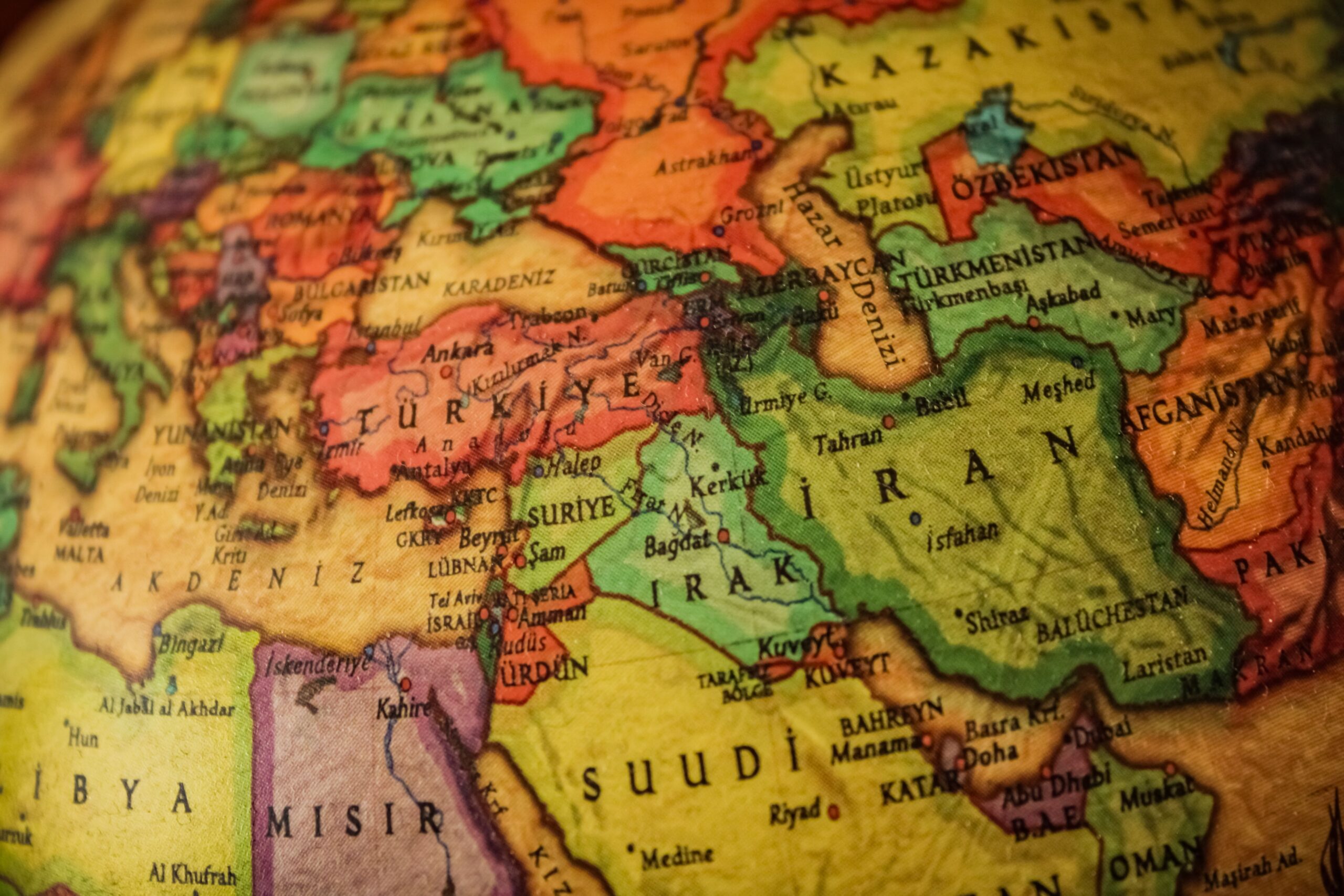
The deal addresses the Strait of Hormuz, a key waterway for global energy. Iran will use its “best efforts” to allow safe, toll-free passage of commercial ships for the first 60 days of the cease-fire.
After that window, Iran will work with Oman and other Gulf states to define future administration of the strait. There remains disagreement over whether Iran could later charge tolls, though US officials argued regional partners would never accept such a system.
The United States agreed to begin lifting its naval blockade right away and to fully end it within 30 days. American forces would pull back from areas near Iran within 30 days after a final deal is reached.
On the economy, the US Treasury will immediately issue waivers for Iranian oil exports, including crude, petroleum products, banking, insurance, and transportation. An official said the oil waivers are the only major benefit Iran gets before a final agreement, arguing the move adds transparency and could help lower energy prices.
The MOU also calls for the US and regional partners to build a plan worth at least $300 billion for Iran’s reconstruction and economic development. Officials stressed that this does not commit US taxpayer money.
Instead, the framework would allow outside investment if a final deal is reached and Iran follows its obligations. Broader Iran sanctions relief, including the end of United Nations and US sanctions, would also come only as part of that final agreement.
The deal further pledges that frozen Iranian funds will be made available for use. Trump confirmed plans to unfreeze assets that could eventually total billions of dollars for Tehran.
Trump Sets a Soft Deadline and a Warning
Speaking in Paris, Trump said the 60-day negotiation window is not a hard deadline. “No, I don’t. Could take longer,” he told reporters. “I don’t view it as hard. Just as long as they’re behaving, I really don’t care that much.”
The president also made clear the agreement is preliminary. “No, it’s not final. It’s a memorandum of understanding,” he said.
Trump warned that military action could resume if Iran fails to comply. “If they don’t behave, we’ll go back to dropping bombs right smack in the middle of their head,” he said. He added that US forces would likely stay in the Persian Gulf “for a little while” to monitor the deal.
Lebanon Tensions and Critic Concerns
The path to the deal nearly broke down over Lebanon. Israel insisted its army would not withdraw from southern Lebanon until the threat from Hezbollah was removed, while the new text demands that Lebanon’s sovereignty be respected by all parties.
Sources said Israeli strikes in Beirut and Iran over the weekend triggered “a great deal of back and forth” on the document. Officials said Prime Minister Benjamin Netanyahu was repeatedly briefed on the substance but had not asked for, or been given, a copy of the MOU.
Critics and former national security advisers raised concerns about the Middle East peace deal. They warned it opens cash flow to Iran by waiving sanctions and lifting the blockade before Tehran fully reopens the strait.
Some experts also noted the deal does not clearly stop Iran from collecting fees after the 60-day period. Officials, meanwhile, said they entered talks expecting Iran “will lie and they will cheat,” and stressed that any final deal would require strong verification and enforcement.
Engaging in our political process should be clear, meaningful, and effective—but too often, people feel overlooked or unsure how to make an impact. That’s where we come in.
Million Voices equips citizens with tools that inform, inspire, and activate. Through our MVP Program, we help get voter resources into the hands of people who don’t typically vote—encouraging greater participation where it matters most.
We also offer devotions and opportunities for prayer, connecting faith with action. Through our Write Now Campaign, volunteers send letters to low-propensity voters in key areas, helping inspire them to engage and make their voices heard.
Ready to take the next step? Learn more or sign up to get involved: https://millionvoices.org/volunteer/
You can also be notified when Candidate Fact Sheets become available in areas you care about: https://millionvoices.org/cfs-notify/
Share on these platforms:
Million Voices is a movement that gives voters and potential voters the foundation they need to confidently act from a biblical worldview.