
Venezuela Blockade: Trump Targets Maduro’s Oil Revenue
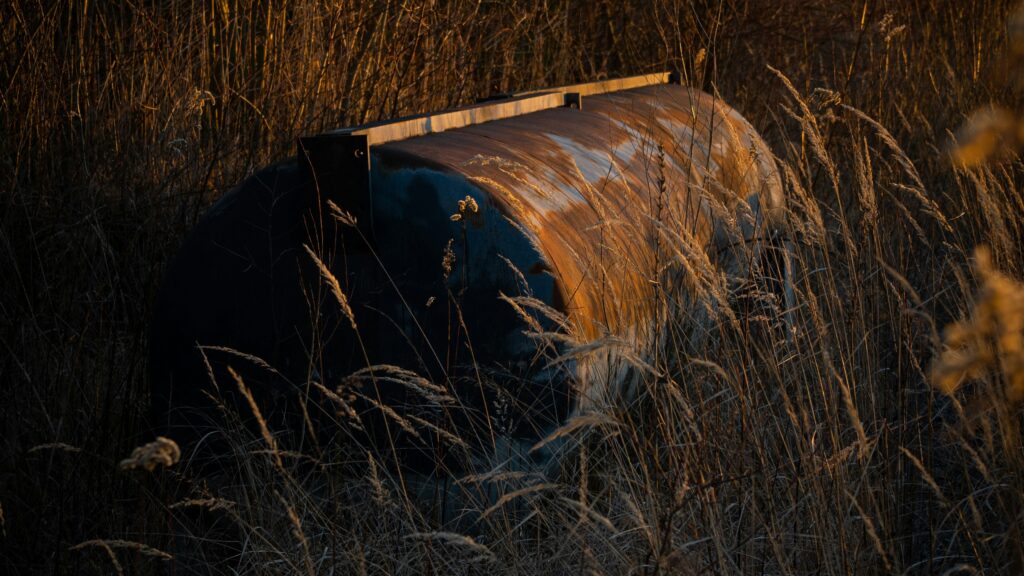
Sebastian Völkel, Unsplash
President Donald Trump has announced a major escalation in U.S. policy toward Venezuela. He has ordered a “total and complete blockade” of all sanctioned oil tankers moving in and out of the country. This move is part of a growing pressure campaign against the government of Nicolás Maduro.
The announcement was made on Tuesday via a post on Truth Social. In his statement, Trump also designated the Maduro regime as a “Foreign Terrorist Organization” (FTO). He accused the government of using oil revenue to fund illegal activities.
Trump’s directive comes after months of increasing tensions between the two nations. It signals a significant shift toward a more aggressive stance. The U.S. has been building up its military presence in the region for weeks.
A New Chapter in U.S.-Venezuela Relations
The blockade follows a series of actions aimed at destabilizing the Maduro government. Recently, U.S. forces seized a sanctioned oil tanker off the coast of Venezuela. Attorney General Pam Bondi stated the tanker was linked to Iran’s Revolutionary Guard and Hezbollah.
This seizure was described as part of an aggressive push against illegal oil shipments and sanctions evasion. For months, the Trump administration has been targeting alleged drug boats in the Caribbean Sea. These operations have resulted in over 95 casualties and are part of a larger campaign against what the U.S. calls transnational criminal organizations.
The U.S. has placed a significant naval force around Venezuela. President Trump referred to it as “the largest Armada ever assembled in the History of South America” and warned that it will only get bigger. The known U.S. military presence includes at least 10 Navy ships, an aircraft carrier, and amphibious assault ships. The administration’s goal appears to be forcing Maduro from power, with Chief of Staff Susie Wiles suggesting the aim is to make him “cry uncle.”
The administration has also accused Venezuelan officials of collaborating with drug cartels. The Justice Department has charged several figures with narco-terrorism offenses. The U.S. claims these activities are funded by illicit oil sales and contribute to instability in the region.
The Venezuelan government has strongly denied these accusations, calling the U.S. actions “piracy” and “imperial aggression.” For further coverage and background on these developments, see CBN News.
Demands and Justifications for the Blockade
In his announcement, President Trump demanded that Venezuela return “all of the Oil, Land, and other Assets that they previously stole from us.”
While the specifics of this demand are not entirely clear, it likely refers to the nationalization of oil fields under Maduro’s predecessor, Hugo Chávez. During that time, stakes from foreign companies like ExxonMobil were taken over by the Venezuelan state.
Venezuela holds the largest known oil reserves in the world. However, due to U.S. sanctions, its government has been largely cut off from global markets. As a result, much of its oil has been sold on the black market, particularly to buyers in China, at a significant discount.
The Trump administration justifies the blockade by linking the Maduro regime to a range of criminal activities. Trump stated that revenue from “stolen Oil Fields” is used to finance “Drug Terrorism, Human Trafficking, Murder, and Kidnapping.”
He also mentioned that his administration is rapidly returning illegal immigrants from Venezuela who entered the U.S. during the prior administration. This move aligns with a hard-line strategy aimed at cutting off all revenue to the Maduro government.
Political and Economic Implications
The blockade has drawn both support and criticism. Supporters argue it is a necessary step to enforce U.S. law and combat terrorism and drug trafficking. They see it as a way to weaken an authoritarian regime and protect American interests. Conservatives have praised the move, saying it sends a clear message that such activities will not be tolerated.
However, critics warn that the blockade could increase regional tensions and disrupt energy markets. Chevron, a major U.S. oil company operating in Venezuela under a Treasury Department waiver, stated that its operations are continuing without disruption. The company affirmed its compliance with all applicable laws and sanctions.
The political landscape is also seeing some interesting developments. In a surprising move, Democratic Senator John Fetterman became the first from his party to publicly back the blockade.
BREAKING: Democratic Senator John Fetterman becomes the first Democrat to back President Trump’s plan to implement a total blockade on Venezuelan Oil tankers. pic.twitter.com/4IZ79Gwn8E
— Ian Jaeger (@IanJaeger29) December 17, 2025
This development suggests that concerns about the Maduro regime’s activities may be crossing party lines. The long-term effects of this policy on Venezuela’s people and the broader region remain to be seen as the situation continues to unfold.
Contacting your representatives should be easy, but there are myriad ways they can ignore your messages. That’s where we come in.
Yes, Million Voices helps you with voter guides. Yes, we send letters from YOU directly to your elected officials because it’s the only way to guarantee they’ll listen to you. Yes, we publish data, articles, text messages, and help bridge the gap between education and civic action. But what do you want? Tell us today.
We want to make YOU the hero of our American story by giving you the tools you need to make a difference, from your local, state, all the way up to the federal level.
Join us in our mission to advocate for religious freedom, support fair and secure elections, and uphold the values that this great nation was built upon. Tell us what you want from the next four years, and we will fight to make it a reality … again!
Share on these platforms:
Million Voices is a movement that gives voters and potential voters the foundation they need to confidently act from a biblical worldview.