
Viral Video Shows Politicians Steering Troops Toward Sedition
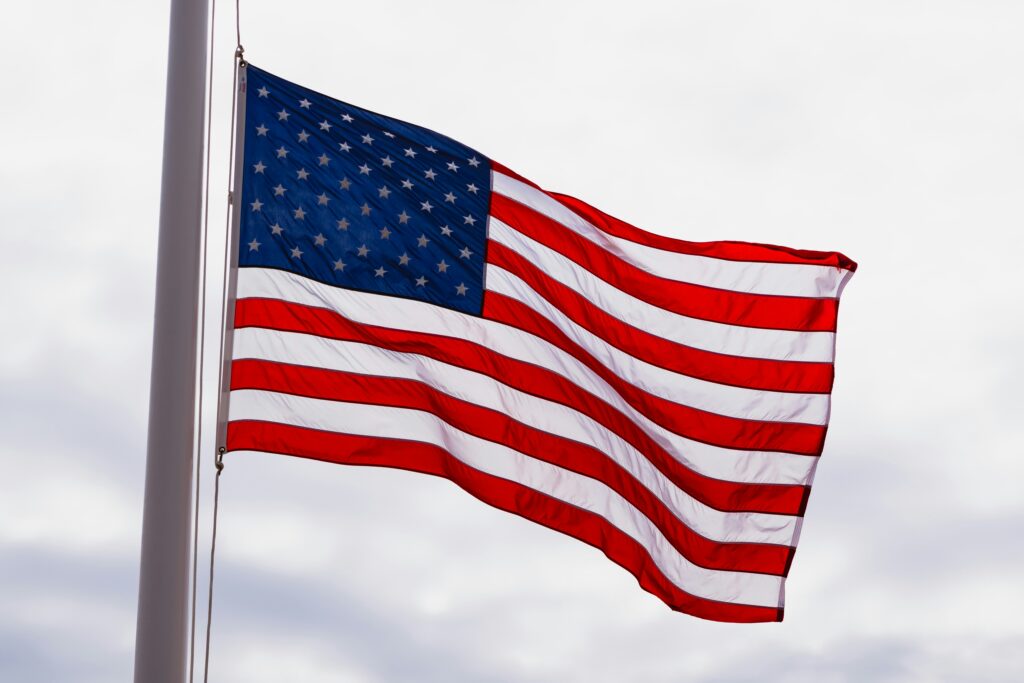
Benjamin Thomas, Unsplash
The integrity of the American military depends on a clear, unquestioned chain of command. That structure is not ceremonial; it is the backbone of national security. When elected officials blur that line, especially during heated political climates, the consequences can be explosive. That is why a now-viral video featuring six Democratic lawmakers urging military members to “refuse illegal orders” has ignited a storm of criticism, concern, and accusations of sedition.
The video—led by Rep. Elissa Slotkin and Sen. Mark Kelly—rapidly circulated after being posted online, encouraging military and intelligence personnel to stand firm against orders they believe violate the Constitution. The message framed itself as a moral warning. To critics, however, it was something far more provocative: a political call to disobedience issued directly to those in uniform. Coverage from Newsmax and Fox News shows how fast this narrative became a national flashpoint.
The break in norms was stark enough that even several Democratic veterans distanced themselves, calling the message reckless and dangerously vague. Their caution was simple: once politicians begin telling troops which orders they should resist, the entire foundation of civilian control over the military begins to wobble.
Echoes of Sedition: The Legal and Constitutional Fault Lines
Military service is governed by the Uniform Code of Military Justice, a legal structure that demands obedience to lawful orders while also prohibiting participation in illegal ones. The standard for determining illegality, however, is extraordinarily high, and for good reason. A system where individual soldiers decide for themselves what qualifies as “illegal” is indistinguishable from a system where orders can simply be ignored.
The ambiguity of the lawmakers’ video is what alarmed constitutional scholars and former commanders. Their message did not cite specific orders, scenarios, statutes, or frameworks. Instead, it encouraged troops to adopt a posture of anticipatory skepticism toward the sitting president’s authority. Critics, including commentators in The Federalist, warned that such encouragement erodes discipline, invites confusion, and risks creating factions within the armed forces.
The stakes became even higher when President Trump responded forcefully, calling the video “seditious behavior” and asserting that such actions “demand trials.” His criticism referenced the most serious charge possible: sedition is not a political insult; it is a federal crime. Trump’s remarks, widely shared and reposted across social media platforms, including the clip on X, underscored how deeply he viewed the breach.
🚨 Trump just put the DEATH PENALTY on the table for Democrats telling troops to disobey him.
Their crime?
A video saying “reject illegal orders.”
His words: “SEDITION. DEATH.”
The party of “threat to democracy” just got threatened back.
Hard. pic.twitter.com/Vz79HywfwP
— Breaking News (@TheNewsTrending) November 20, 2025
Those remarks pushed the conversation out of the realm of political messaging and into the realm of legal crisis. When a commander-in-chief accuses sitting members of Congress of sedition for influencing military behavior, it reveals the raw fragility of the moment. The New York Post’s warning that Democrats were “playing a dangerous game” was not hyperbole; it was a blunt acknowledgment of the damage such rhetoric can inflict.
Across military history, there is a clear, universal truth: once the chain of command becomes politicized, armies fracture from within.
Cracks in Discipline: Why Messaging Matters in Uniform
Service members do not operate as freelancers. They operate under an oath. Not to a political party and not to an ideology, but to the Constitution and to the lawful authority placed above them, including the president. That dual structure keeps the military both powerful and accountable.
When messages like this video circulate, especially from individuals with congressional authority, they introduce doubt into a system that cannot function with doubt. The issue is not whether troops should refuse unlawful orders—that principle has always existed. The issue is that the video framed this potential disobedience as an imminent necessity, without defining the alleged danger or clarifying what would constitute an illegal directive.
This is the scenario critics fear: troops watching a political video, internalizing partisan fears, and making snap judgments about legality without military counsel, legal review, or operational context. That environment is combustible. It blurs lawful dissent with dangerous insubordination. It risks military members inserting themselves into political disputes. And in the worst case, it encourages fragmentation along partisan lines.
This is why former military officials who support a strict constitutional process sounded the alarm. As reported by Fox News, Democratic veterans expressed frustration that the video put military personnel in a legally and morally treacherous position. It effectively hands them a political lens through which to view their commander-in-chief, something the military must avoid at all costs if it wishes to remain an institution trusted by the nation it serves.
The Federalist’s analysis captured the stakes bluntly: once political factions begin appealing directly to soldiers, Congress starts to look less like an elected body and more like competing war councils. That distinction is not academic; it is the line that separates a stable republic from nations where militaries choose sides.
The Urgency of Restraint and the Cost of Crossing Boundaries
What makes this situation particularly volatile is the speed with which it escalated. A video intended as political signaling immediately triggered accusations of sedition. National outlets scrambled to analyze its implications. Veterans publicly objected. Commentators on all sides warned that the precedent is dangerous. And within hours, the issue became less about the video itself and more about the fragility of civil-military relations during a period of intense polarization.
The American military’s honor system is built on clarity: obey lawful orders, refuse truly unlawful ones, and rely on the chain of command, not political influencers, to navigate the difference. When politicians step into that process, urging troops to stand ready for hypothetical political conflicts, they invite chaos.
What we are witnessing is not just a messaging misstep. It is a test of whether civilian leaders will safeguard the apolitical nature of the armed forces or weaponize them for partisan leverage. One path preserves stability. The other leads to fractures that no free society can afford.
When military obedience becomes a partisan battleground, the nation steps onto dangerous terrain. The warnings raised in every outlet all echo the same truth: playing politics with military discipline is not just irresponsible. It is perilous.
Contacting your representatives should be easy, but there are myriad ways they can ignore your messages. That’s where we come in.
Yes, Million Voices helps you with voter guides. Yes, we send letters from YOU directly to your elected officials because it’s the only way to guarantee they’ll listen to you. Yes, we publish data, articles, text messages, and help bridge the gap between education and civic action. But what do you want? Tell us today.
We want to make YOU the hero of our American story by giving you the tools you need to make a difference, from your local, state, all the way up to the federal level.
Join us in our mission to advocate for religious freedom, support fair and secure elections, and uphold the values that this great nation was built upon. Tell us what you want from the next four years, and we will fight to make it a reality … again!
Share on these platforms:
Million Voices is a movement that gives voters and potential voters the foundation they need to confidently act from a biblical worldview.