
Strait of Hormuz Crisis: Talks Show Slight Progress
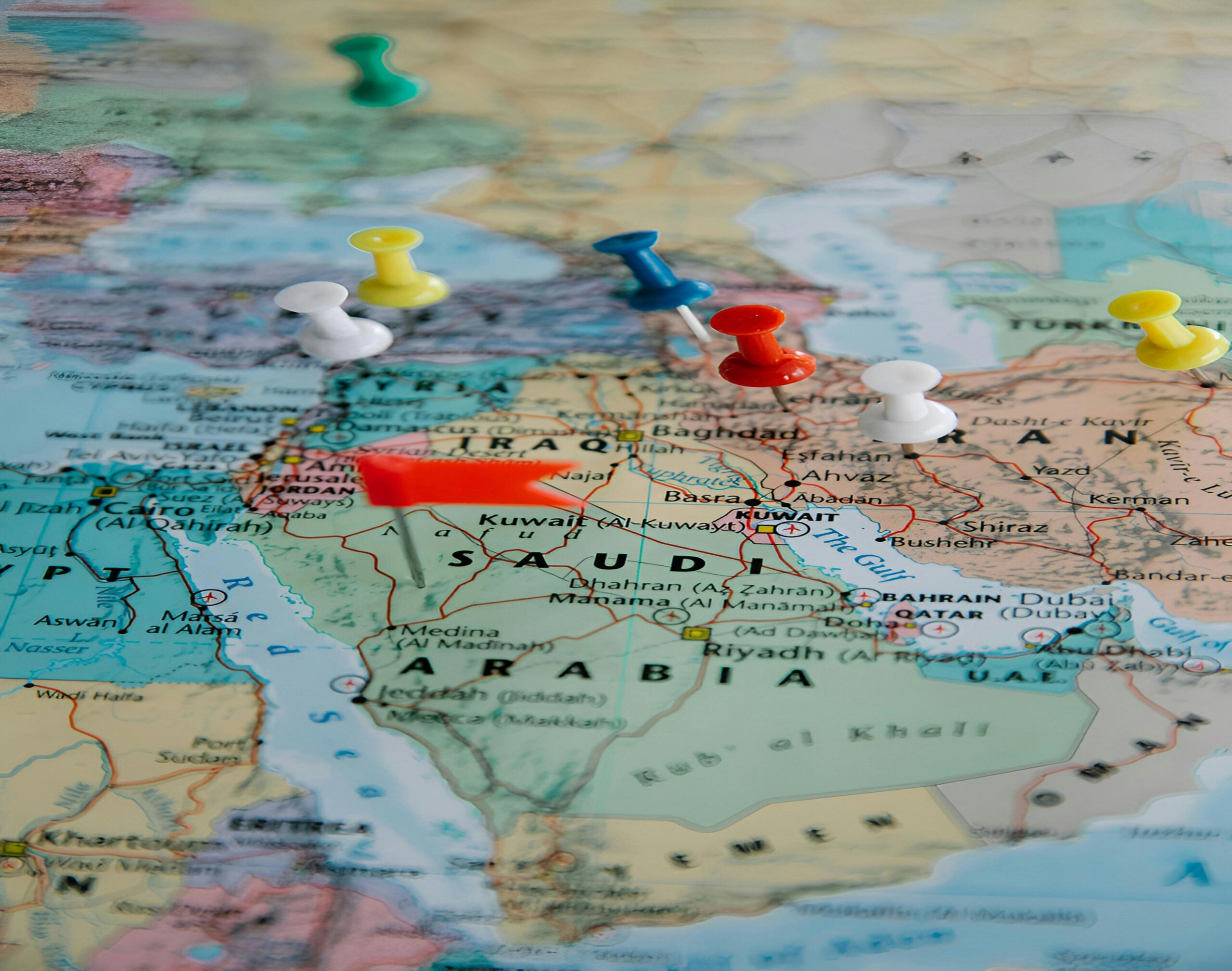
Oualid Lakhrouti, Unsplash
Secretary of State Marco Rubio recently addressed the ongoing negotiations. He noted that while there is slight progress in talks, the situation remains fragile. President Trump is currently holding off on military strikes to allow for negotiations. He has stated that a deal with Iran must prevent the country from developing nuclear weapons.
Talks have included input from allies in the Middle East, such as Qatar, Saudi Arabia, and the United Arab Emirates. Tensions have also surfaced between the United States and Israel over how to handle negotiations with Iran. According to diplomatic sources, President Trump and Israeli Prime Minister Benjamin Netanyahu recently discussed the status of Iranian talks by phone.
Pakistan has played a role in facilitating communications between the U.S. and Iran, with officials reporting multiple visits and ongoing discussions aimed at easing tensions. Military officials have confirmed that Saudi Arabia and the United Arab Emirates have carried out strikes targeting Iranian and allied militia positions in recent months. The U.S. and Israel continue to emphasize that Iran must not develop a nuclear weapon.
Strait of Hormuz Battle Continues
Recent developments have focused on the Strait of Hormuz, a vital channel for global shipping. Iran has restricted access to the strait, impacting the shipment of oil, gas, and other major commodities. This blockade has contributed to rising gas prices and disrupted international trade flows.
Iran is reportedly working with Oman to establish a tolling system for passage through the Strait of Hormuz, prompting concern from U.S. and international officials. Marco Rubio has warned that this unacceptable tolling system would face broad opposition. President Trump reiterated opposition to any tolling system, stating that the waterway should remain free and open for international commerce.
American military forces have redirected a significant number of commercial vessels to avoid Iranian-controlled waters. European allies, including members of NATO, have discussed the situation and possible responses, though no formal agreement on intervention has been made.
Middle Eastern countries, including Saudi Arabia and the United Arab Emirates, have conducted defensive military actions related to the conflict. France and the United Kingdom have begun organizing a military coalition to ensure maritime safety, but indicate that operations would only begin once the active conflict concludes.
However, many experts argue that the international community needs to take stronger action to address this crisis. The continued violence and humanitarian suffering in Yemen cannot be ignored any longer. As global citizens, it is our responsibility to speak out and demand action from our governments.
Diplomatic Efforts and Ongoing Tensions
Diplomatic efforts involving Pakistan have continued in an attempt to ease the crisis. While Rubio referenced some diplomatic progress, he stated that further negotiations are needed before any agreement can be announced. Meanwhile, tensions between Pakistan and India remain high, with both sides accusing the other of aggression.
Key points of negotiation include reopening the Strait of Hormuz for commercial traffic and limiting Iran’s nuclear program, specifically uranium enrichment activities. NATO nations have discussed contingency plans, referred to as a “Plan B,” if a diplomatic resolution cannot be reached. This may involve economic sanctions, military action, or a combination of both.
It is imperative that these negotiations continue with a sense of urgency. The ongoing conflict in the region has already caused immense suffering and destabilization, leading to countless lives lost and the displacement of communities. It is crucial that all parties involved prioritize finding a peaceful resolution to prevent further escalation of violence.
Moreover, the current tensions have global implications. The Strait of Hormuz is one of the world’s most important shipping routes, with about 20% of the world’s oil supply passing through it. Any disruption to this crucial passage would have widespread consequences for economies around the world.
President Trump has indicated interest in obtaining a settlement through negotiation, but has stated that other options remain if talks do not produce a satisfactory agreement. The ongoing situation has led to increased attention to regional alliances and to the security of Israel and other U.S. partners in the Middle East.
The Strait of Hormuz remains a central focus, with monitoring continuing over any changes in access, tolling systems, or military activity affecting global trade and regional stability. Diplomatic, economic, and military developments are expected to continue shaping the relationship between the United States, Iran, and other stakeholders.
Engaging in our political process should be clear, meaningful, and effective—but too often, people feel overlooked or unsure how to make an impact. That’s where we come in.
Million Voices equips citizens with tools that inform, inspire, and activate. Through our MVP Program, we help get voter resources into the hands of people who don’t typically vote—encouraging greater participation where it matters most.
We also offer devotions and opportunities for prayer, connecting faith with action. Through our Write Now Campaign, volunteers send letters to low-propensity voters in key areas, helping inspire them to engage and make their voices heard.
Ready to take the next step? Learn more or sign up to get involved: https://millionvoices.org/volunteer/
You can also be notified when Candidate Fact Sheets become available in areas you care about: https://millionvoices.org/cfs-notify/
Share on these platforms:
Million Voices is a movement that gives voters and potential voters the foundation they need to confidently act from a biblical worldview.